Southeast Asia's $100 Billion Crime Wave Threatens Regional Stability
Transnational organised crime is rapidly growing in Southeast Asia, posing serious threats to regional security and development. Criminal networks exploit legal trade gaps and weak law enforcement to generate nearly $100 billion annually through illicit activities.
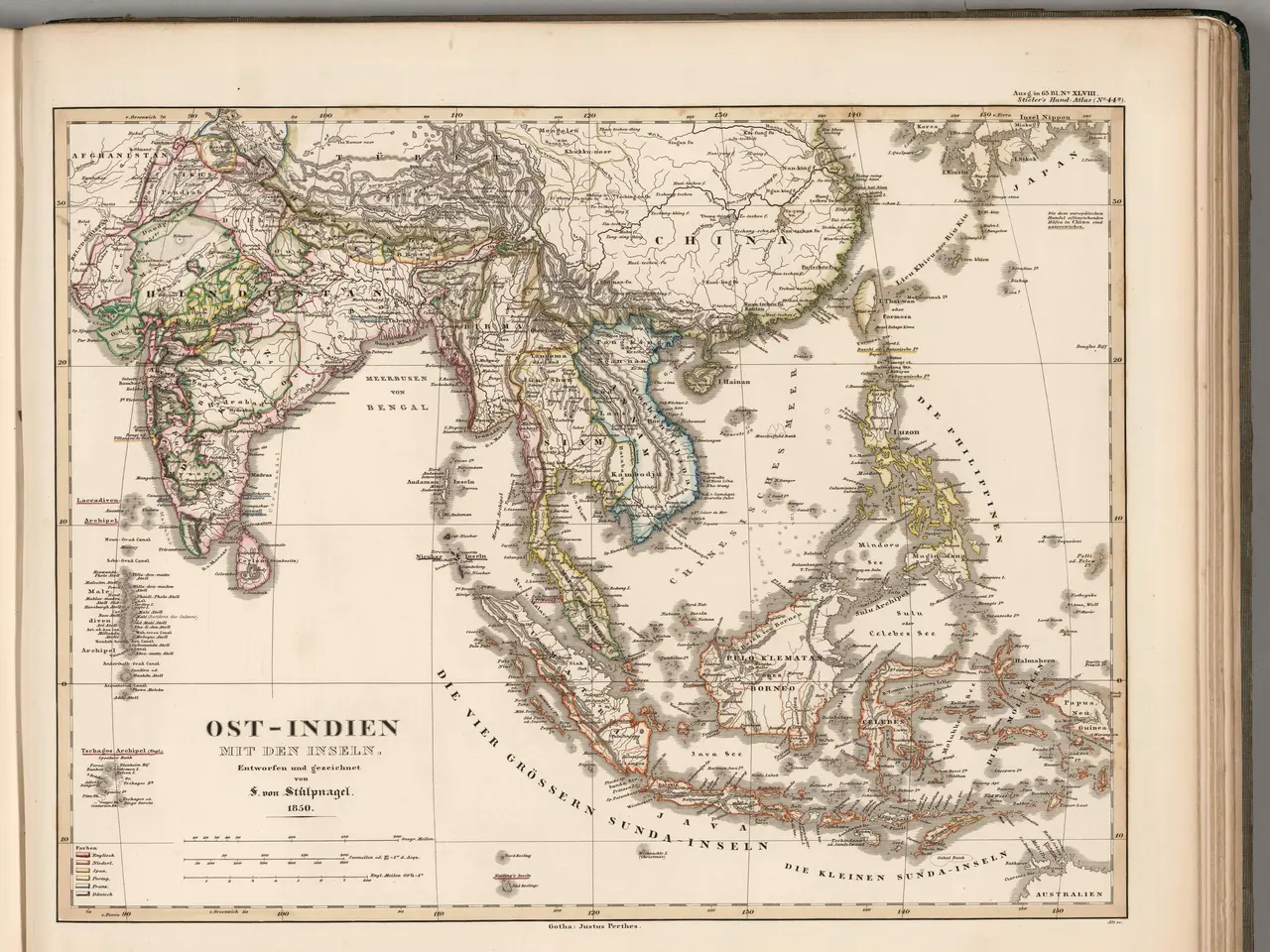
The region faces major challenges from drug trafficking, counterfeit goods, and illegal wood products—key revenue streams for organised crime. The Golden Triangle remains a global hub for opium poppy cultivation, supplying heroin to both regional and international markets. Meanwhile, Southeast Asia’s methamphetamine trade continues to expand, with large quantities of precursor chemicals being diverted and smuggled.
Established trafficking routes allow criminal groups to move drugs, natural resources, and people across borders. Illegal logging, in particular, accelerates the destruction of the region’s wild rainforests. These activities fuel corruption and undermine legal economies. To combat these threats, the United Nations Office on Drugs and Crime (UNODC) works closely with ASEAN. It supports initiatives like the Mekong Memorandum of Understanding on Drug Control and the Bali Process, which targets migrant smuggling. The UNODC also promotes regional cooperation through its Regional Programme for Southeast Asia and the Pacific, helping countries strengthen legal frameworks and enforcement.
The scale of transnational crime in Southeast Asia demands stronger regional action. With nearly $100 billion in illegal profits each year, criminal networks continue to exploit trade loopholes and weak oversight. Ongoing cooperation between governments and organisations like UNODC remains critical to disrupting these operations.
Read also:
- Ignorant Youth Unfamiliar with Quebec's Cultural Landscape
- PCOS-related Gas Buildup: Explanation, Control Strategies, and Further Insights
- Astral Lore and Celestial Arrangements: Defining Terms & In-Depth Insights - Historical Accounts & Glossary of Cosmic Mythology
- "Rural Idyls with Supercars: Astonishing Sites Where Residents Cruise McLarens and Ferraris for Groceries"