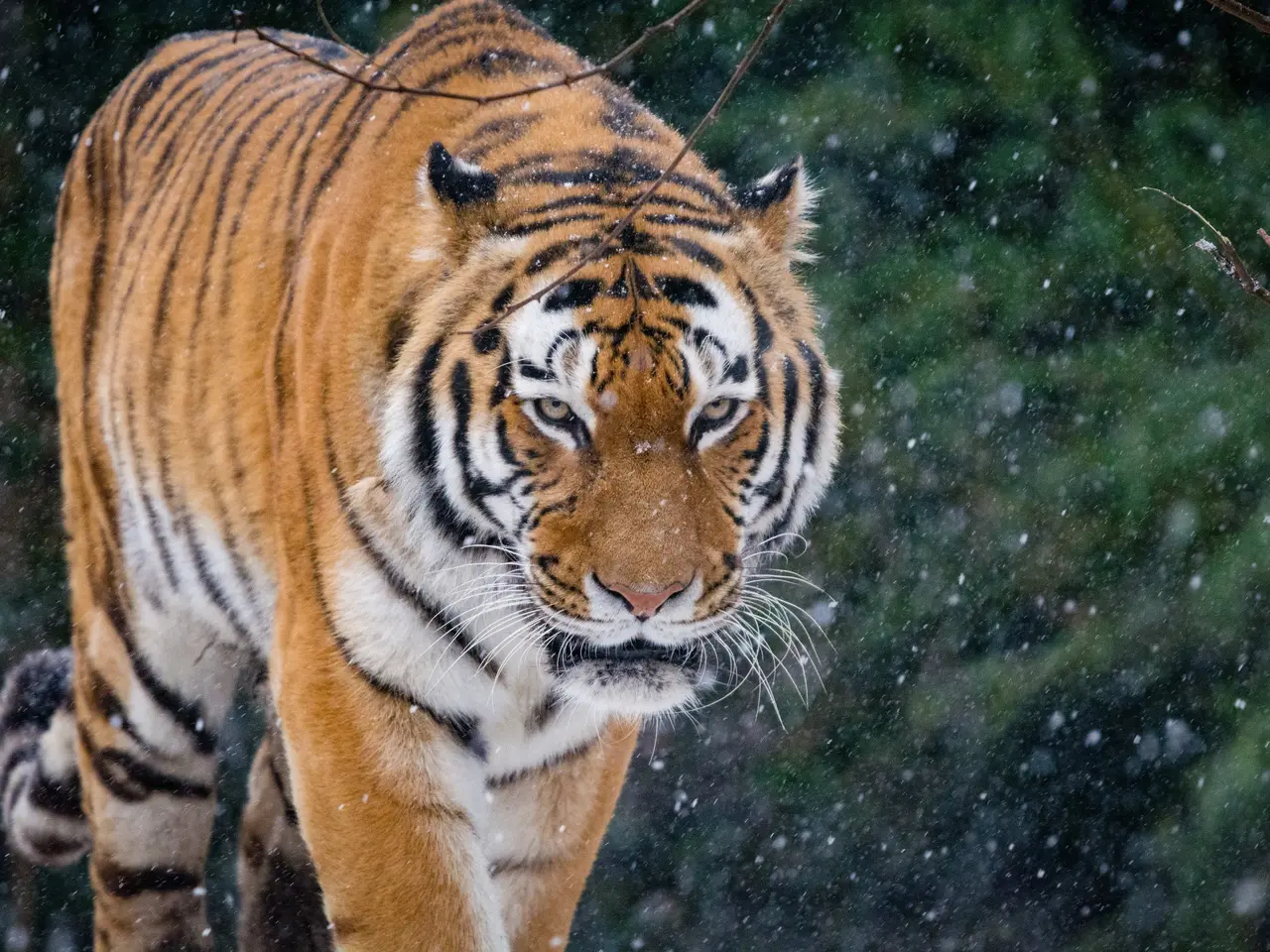
Russia's Far East battles extreme snow, threatening Amur tigers and wildlife
Russia’s Far East is facing an unusually harsh winter after two severe snowfalls blanketed the Amur tiger’s habitat. Snow depths of up to a metre in mountainous areas and 50 to 80 centimetres in lowlands have created dangerous conditions for wildlife. Conservationists warn the extreme weather could push endangered species closer to human settlements—and into the crosshairs of poachers. The deep snow has made survival difficult for animals across the region. Wildlife, including the endangered Amur tiger, may struggle to find food or move freely until May. Tigers, which need around 10 kilograms of meat each day, could increasingly wander into villages in search of prey.
Poachers have already taken advantage of the crisis. Experts predict a rise in illegal hunting as animals become more vulnerable in the deep drifts. Even snowmobiles used for patrols are getting stuck, making it harder to monitor remote areas. WWF Russia has responded by stepping up anti-poaching operations. The organisation is also providing extra feed for ungulates, a key food source for tigers, to help them endure the long winter. With only around 540 Amur tigers left in the wild, the situation remains critical.
The extreme snow has disrupted both wildlife and conservation efforts. Tigers and other animals face months of hardship, while poachers exploit the difficult conditions. WWF Russia’s emergency measures aim to reduce threats, but the coming months will test the resilience of the region’s endangered species.
Read also:
- Ignorant Youth Unfamiliar with Quebec's Cultural Landscape
- PCOS-related Gas Buildup: Explanation, Control Strategies, and Further Insights
- Astral Lore and Celestial Arrangements: Defining Terms & In-Depth Insights - Historical Accounts & Glossary of Cosmic Mythology
- "Rural Idyls with Supercars: Astonishing Sites Where Residents Cruise McLarens and Ferraris for Groceries"