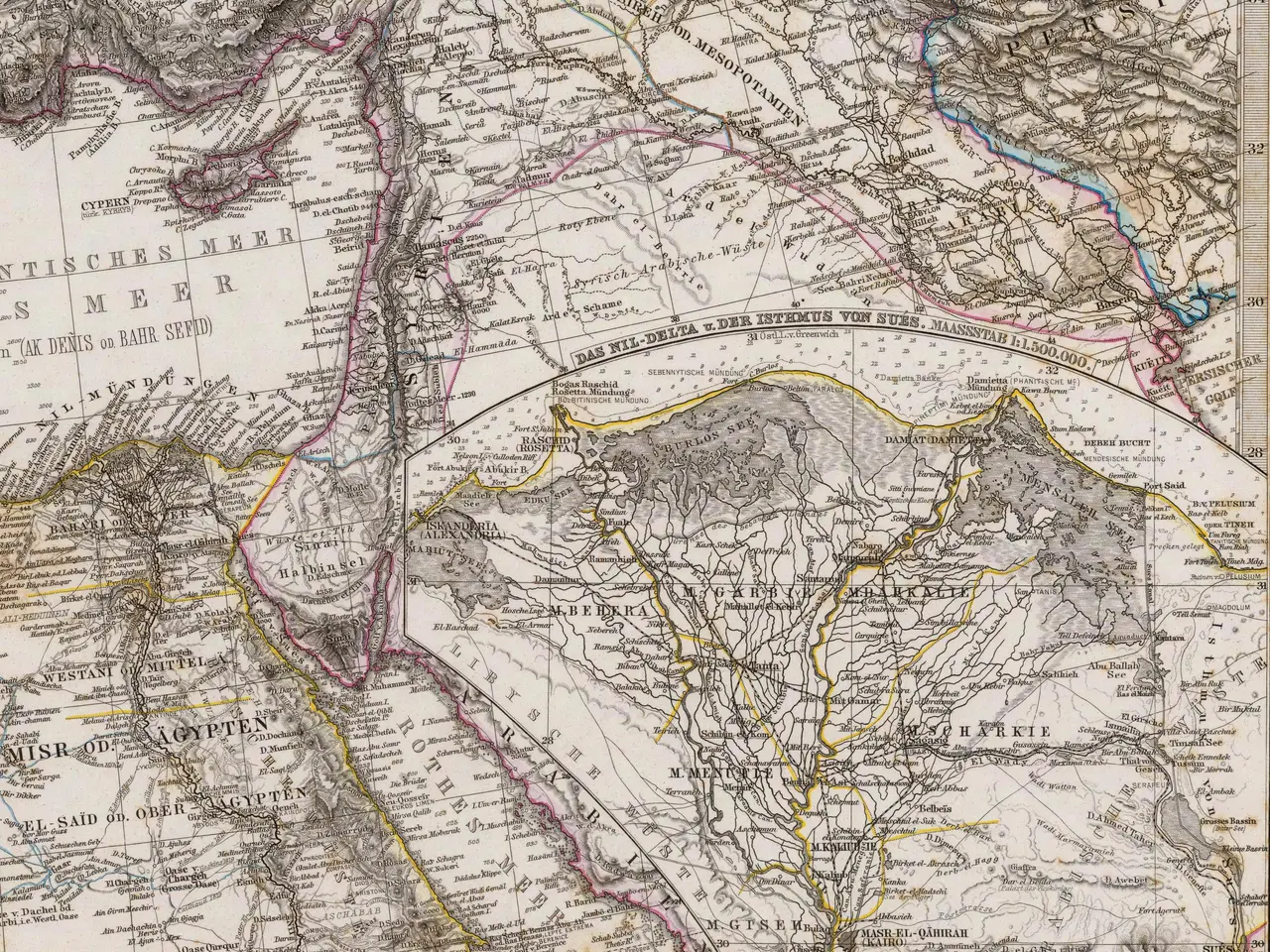
Should the US scale back its Middle East military presence after 50 years?
Fifty-one years ago, Britain announced its withdrawal from the Persian Gulf due to financial strain. Now, questions arise about whether the United States should reconsider its own extensive military presence in the Middle East. The region’s instability and shifting priorities have reignited debates over America’s long-term basing strategy. In 1971, British Foreign Secretary George Brown told US officials that the UK would leave the Gulf within years. The decision came as London struggled to maintain its imperial commitments across Asia. Today, the US operates a vast network of bases in the Middle East, far larger than during the Cold War.
The 2011 Arab Spring exposed deep instability in host nations like Bahrain, where US forces are stationed. Many regional governments still rely on oil revenues rather than addressing the economic and political grievances that sparked unrest. Despite these challenges, the US has not reached a breaking point requiring a sudden pullout. Some analysts suggest a gradual reduction in bases over a decade could be feasible. Others propose returning to a Cold War-style footprint, keeping only major hubs like al-Udeid in Qatar or West al-Mubarak in Kuwait. Currently, however, Washington lacks a clear strategy for its future role in the region.
A full withdrawal remains unlikely, but keeping a 'zero option' on the table could push policymakers to weigh alternatives more carefully. The US still holds significant influence in the Middle East, yet its long-term posture remains undefined. Without a coherent plan, decisions on bases and troop levels will continue to be reactive rather than strategic.
Read also:
- PCOS-related Gas Buildup: Explanation, Control Strategies, and Further Insights
- Astral Lore and Celestial Arrangements: Defining Terms & In-Depth Insights - Historical Accounts & Glossary of Cosmic Mythology
- "Rural Idyls with Supercars: Astonishing Sites Where Residents Cruise McLarens and Ferraris for Groceries"
- Heartache Explained: Understanding Angina