IIHF battles financial strains and low attendance to grow global hockey
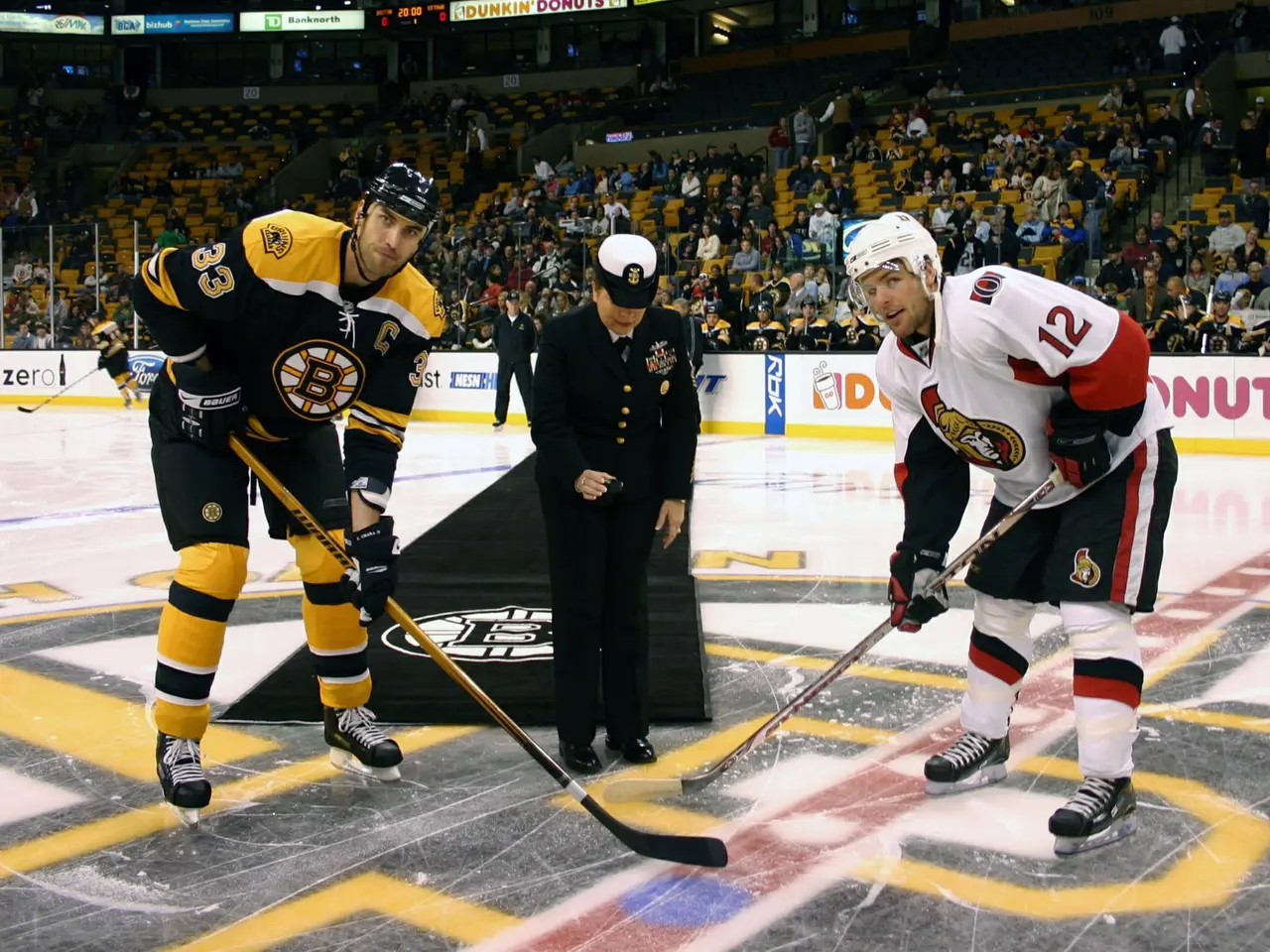
The International Ice Hockey Federation (IIHF) continues to shape the sport’s future with major tournaments and long-term plans. Running around 35 competitions each year, the organisation focuses on growing hockey’s popularity—especially among younger fans. Yet financial and logistical hurdles remain, from rule inconsistencies to competition with the NHL’s upcoming World Cup of Hockey in 2028. The IIHF’s Championship program demands a yearly budget of 26 to 27 million Swiss francs (€28.9 million). Despite this investment, only the World Championship consistently generates profit. Attendance figures vary sharply: games without top teams sometimes draw as few as 3,000 spectators, far below the 6,000 average the federation targets. Such low turnouts can leave players disheartened.
Rule enforcement poses another challenge. Referees from different leagues often apply standards unevenly, creating confusion during high-stakes matches. Meanwhile, the IIHF keeps a firm stance on geopolitical issues—Russia and Belarus will only return to competition once their conflict in Ukraine ends, resuming at their previous level. Off the ice, the federation pushes to attract new fans. Partnerships with schools and clubs help market hockey as an exciting, youth-friendly sport. Leading these efforts is Petr Bříza, the Senior Vice President since 2021. The former Czech goaltender brings decades of elite experience to the role. On the competitive side, Austria’s national team has shown recent strength, performing well at the 2024 World Championship in the Czech Republic and in the current tournament. Their rise adds depth to a sport long dominated by a handful of nations. Yet the IIHF faces external pressure. The NHL’s planned 2028 World Cup of Hockey in Europe could divert attention and resources, testing the federation’s ability to maintain its central role in global hockey.
The IIHF balances ambition with practical challenges as it steers ice hockey’s growth. With a single profitable tournament and rising competition from the NHL, its strategy must adapt. For now, the focus stays on boosting attendance, refining officiating, and expanding the sport’s appeal—especially to younger generations.