How a Kazakh Nonprofit Transforms Lives Through Equine Therapy and Education
A Hidden Sanctuary by the Shores of Sebulak Reservoir
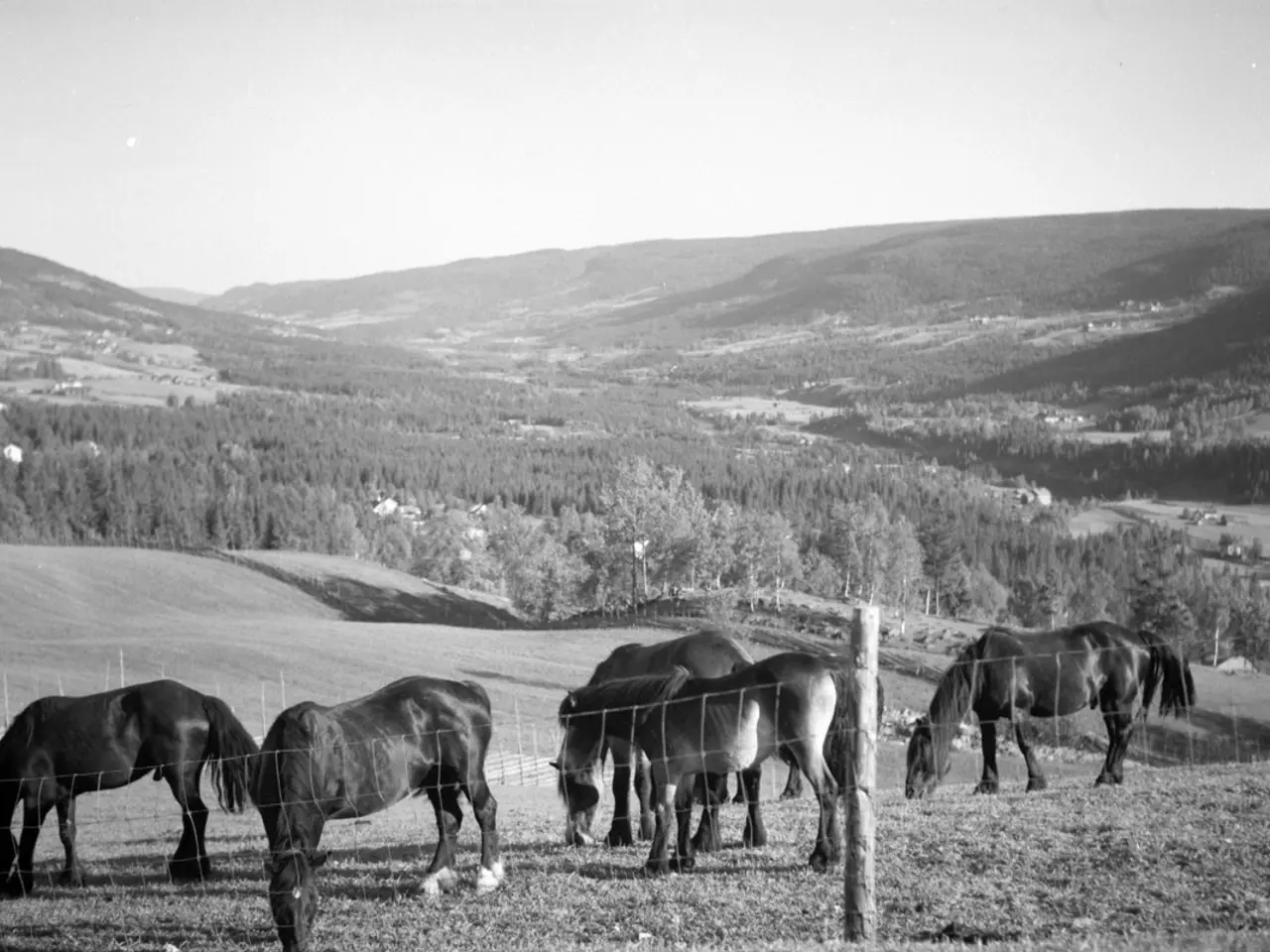
Tucked away near the western bank of the Sebulak Reservoir—discreet yet carefully nurtured—this small paradise offers more than just tranquility. A public beach lies nearby, while the grounds of the Youth Society for People with Disabilities host not only a self-built main facility with classrooms and offices but also a stud farm with a riding arena for equine therapy, a modest orchard, and half a dozen pens housing rabbits, chickens, turkeys, and goats. This close connection to nature soothes the soul.
Initially funded by regional authorities in 2014, the organization has since relied on donations and sales of handmade souvenirs to sustain its work.
Equine Therapy at the Heart of the Mission A cornerstone of the society's efforts is hippotherapy—a blend of social-psychological support, therapeutic intervention, and rehabilitation centered on the unique bond between humans and horses. This versatile approach has proven particularly effective in restoring emotional balance in children. In Kazakhstan, where the relationship between people and horses spans centuries, its benefits come as no surprise.
"Our years of experience reveal a pressing need for early rehabilitation and social integration for children with disabilities," explains project leader Aigerim Dauletbayeva. "The sooner a child develops a healthy self-image, the brighter their future will be."
Over the past decade, more than 300 children with physical and intellectual disabilities have participated in the program. For 43 of them, the progress was so remarkable that they transitioned into mainstream education. Some have even gone on to compete in equestrian events, frequently earning top placements—a testament to their growth into active, engaged individuals.
Partnerships and Innovation The society collaborates closely with the Department of Special Education at Taraz State Pedagogical University. Recently, a graduate of the university joined their dedicated team. To further strengthen this cooperation, a fundraising campaign—"LEGO WeDo Kits for Primary Education in Taraz"—has been launched. These construction sets allow students to build and program simple robotic models, fostering technical creativity. Early contributors include Dorothea Haller-Laible, owner of Haller GmbH & Co. KG International Freight Forwarding and Honorary Consul for Baden-Württemberg, as well as Ulf Schneider, founder and CEO of the SCHNEIDER GROUP.
Looking ahead, the German-Kazakh Society in Berlin will also lend its support. With long-standing ties to disability organizations in Almaty and Nur-Sultan, the society will help connect the Youth Society for People with Disabilities with German advocacy networks.
Call for Donations Your contribution—no matter the size—can make a difference! If you wish, we will gladly acknowledge donors by name and feature them on the LEGO kits. As a registered nonprofit, the German-Kazakh Society can provide tax-deductible receipts for all donations.
For more information about the Youth Society for People with Disabilities, visit: "Molodyozhnoe Obshchestvo Invalidov"http://www.gorodtaraz.kz/company/2381-oo-molodyozhnoe-obschestvo-invalidov.htmlPhone: 7 (7262) 45-15-45, 43-46-76 Email: [email protected]
—Peter Enders is Vice Rector for Internationalization at Taraz State Pedagogical University.
Read also:
- Ignorant Youth Unfamiliar with Quebec's Cultural Landscape
- PCOS-related Gas Buildup: Explanation, Control Strategies, and Further Insights
- Astral Lore and Celestial Arrangements: Defining Terms & In-Depth Insights - Historical Accounts & Glossary of Cosmic Mythology
- "Rural Idyls with Supercars: Astonishing Sites Where Residents Cruise McLarens and Ferraris for Groceries"