Swiss farms revive flax and chia seeds for health and sustainability
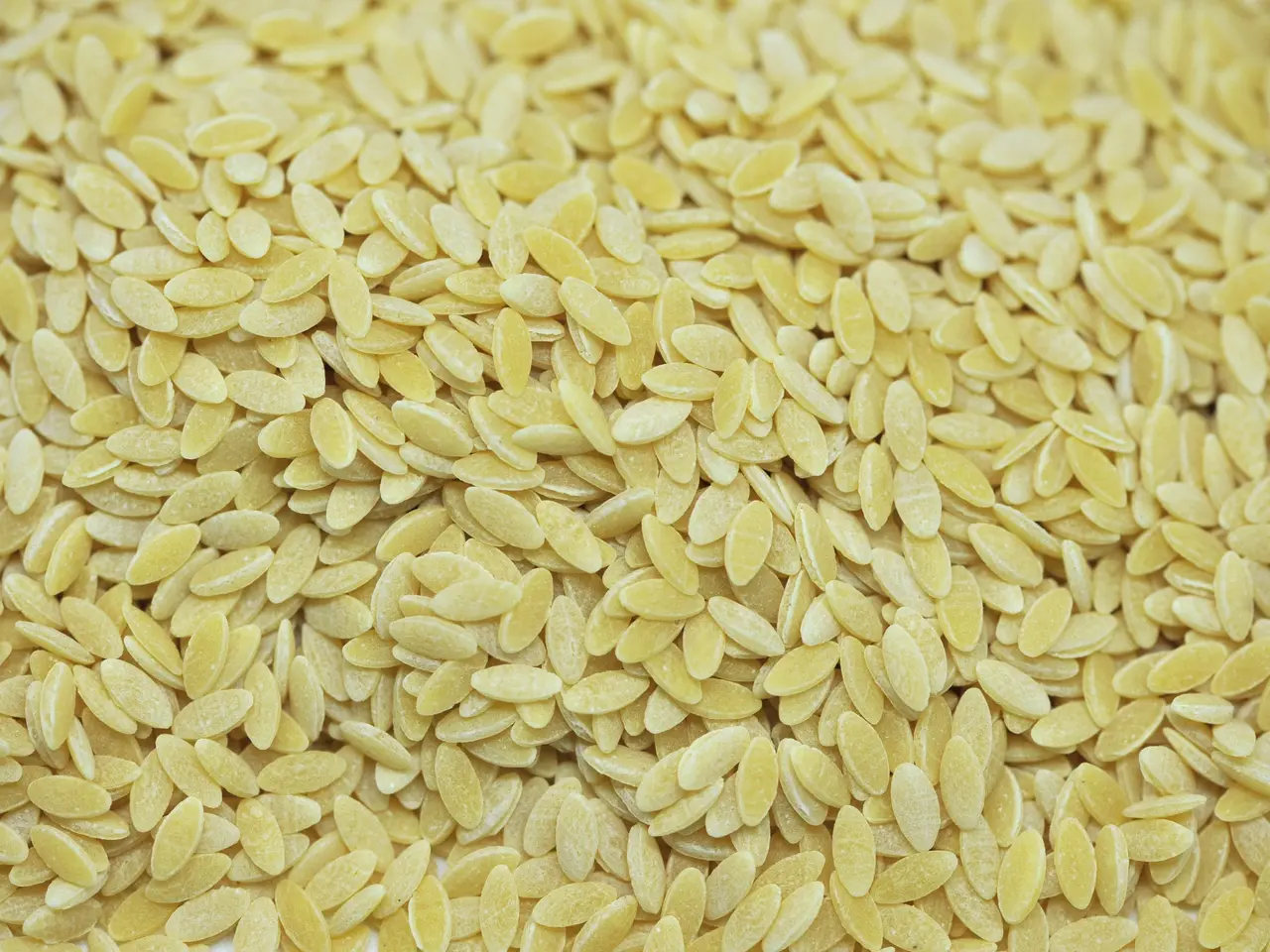
Switzerland has seen a quiet revival of an old crop alongside the rise of a new one. Flax, once a forgotten plant, was reintroduced by Biofarm in 2004, while chia seeds have surged in popularity over the past decade. Both are now gaining attention for their health benefits and ecological advantages. The return of flax began two decades ago when the agricultural cooperative Biofarm decided to bring back its cultivation. This native plant offers a local source of omega-3, supports biodiversity, and adds a striking blue bloom to Swiss fields. Its ecological role extends beyond nutrition, as its flowers provide food for insects.
Chia seeds, meanwhile, entered Swiss agriculture more recently. Christoph Gämperli of the St. Gallen Seed Breeding Cooperative first experimented with the crop around ten years ago. Initially, only one plant produced viable seeds. Despite early challenges, Swiss-grown chia has since delivered consistent harvests for several seasons. The growing trend of 'fibermaxxing'—a focus on high-fibre diets—has boosted demand for both seeds. Consumers are finding creative ways to include them in meals, from smoothies to baked goods. However, proper preparation remains key. Without soaking or grinding, chia and flaxseeds can cause digestive discomfort and reduce omega-3 absorption. While chia seeds are often imported from South America, leading to occasional shortages, Swiss production offers a more sustainable alternative. Both crops now play a dual role: supporting human health and local ecosystems.
Flax and chia seeds have carved out a place in Swiss agriculture, combining nutritional value with environmental benefits. Their cultivation not only diversifies crops but also provides a reliable source of fibre and omega-3. As interest in these seeds grows, their role in diets and farming looks set to expand further.
Read also:
- Peptide YY (PYY): Exploring its Role in Appetite Suppression, Intestinal Health, and Cognitive Links
- Toddler Health: Rotavirus Signs, Origins, and Potential Complications
- Digestive issues and heart discomfort: Root causes and associated health conditions
- House Infernos: Deadly Hazards Surpassing the Flames