Strait of Hormuz crisis reshapes global AML and sanctions compliance forever
The situation in the Gulf region could prompt an exodus of cash and assets, and that poses a challenge for insurers when it comes to anti-money laundering compliance. Here's some commentary from Becki LaPorte, Principal - AML Strategy and Innovation at FinScan, an Innovative Systems solution:
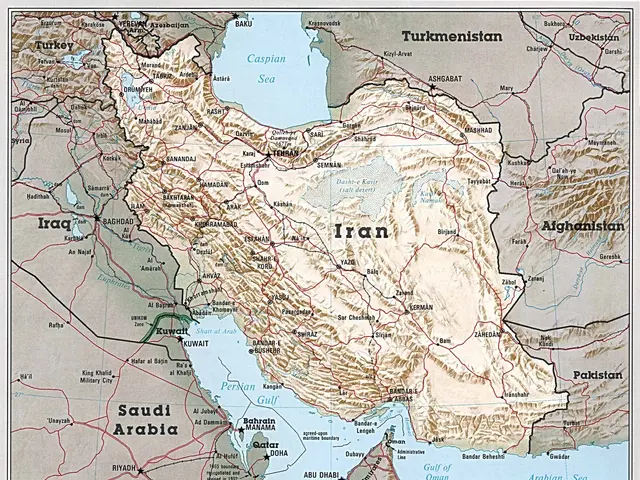
The sudden escalation in the Strait of Hormuz from regional disruption to a US-enforced blockade targeting Iranian port traffic has fundamentally reshaped AML and sanctions risk for global shipping and insurance markets.
What was once a question of safe transit is now a far more complex compliance challenge centered on port exposure, vessel history, and hidden counterparty risk, as ships reroute, turn back, or operate under evolving security and insurance constraints.
For insurers, underwriting has effectively become a frontline sanctions control, with real-time risk reassessments and heightened scrutiny of ownership, cargo, and routing, while for shipping firms, distinguishing legitimate emergency logistics from sanctions evasion is becoming increasingly difficult.
Even when the Strait reopens, the compliance burden won't ease immediately. Firms will face a surge of delayed shipments, heightened regulatory scrutiny, and the need to unwind weeks of opaque activity. This makes this less of a temporary disruption and more of a lasting stress test of how well AML and sanctions frameworks can adapt to geopolitical shock.
The disruption is also creating a surge in trade-based money laundering risk, as rerouted shipments, volatile pricing, and rapidly changing documentation make it significantly harder for banks and insurers to distinguish legitimate trade from sanctioned or illicit activity embedded within global supply chains.
Compounding the challenge is growing uncertainty over who will ultimately control access to the Strait, raising the risk of fragmented enforcement and conflicting sanctions expectations, forcing firms to navigate not just disruption, but a breakdown in the consistency that global compliance frameworks depend on.
Read also:
- Peptide YY (PYY): Exploring its Role in Appetite Suppression, Intestinal Health, and Cognitive Links
- Toddler Health: Rotavirus Signs, Origins, and Potential Complications
- Digestive issues and heart discomfort: Root causes and associated health conditions
- House Infernos: Deadly Hazards Surpassing the Flames