Iran's uncertain future hinges on internal struggles over external pressure
Iran remains a complex and closely watched nation, both for its geopolitical weight and its internal struggles. The country’s future could hinge on internal shifts rather than outside pressure. Meanwhile, voices like Philippe Welti’s—Switzerland’s former ambassador to Tehran—continue to shape discussions on its prospects. Philippe Welti, now 77, served as Switzerland’s ambassador to Iran from 2004 to 2009. His deep ties to the region persist, and he remains a respected commentator on Iranian affairs. Before his diplomatic career, he oversaw Zurich’s historic guildhall, Zunfthaus zur Waag, until 2022.
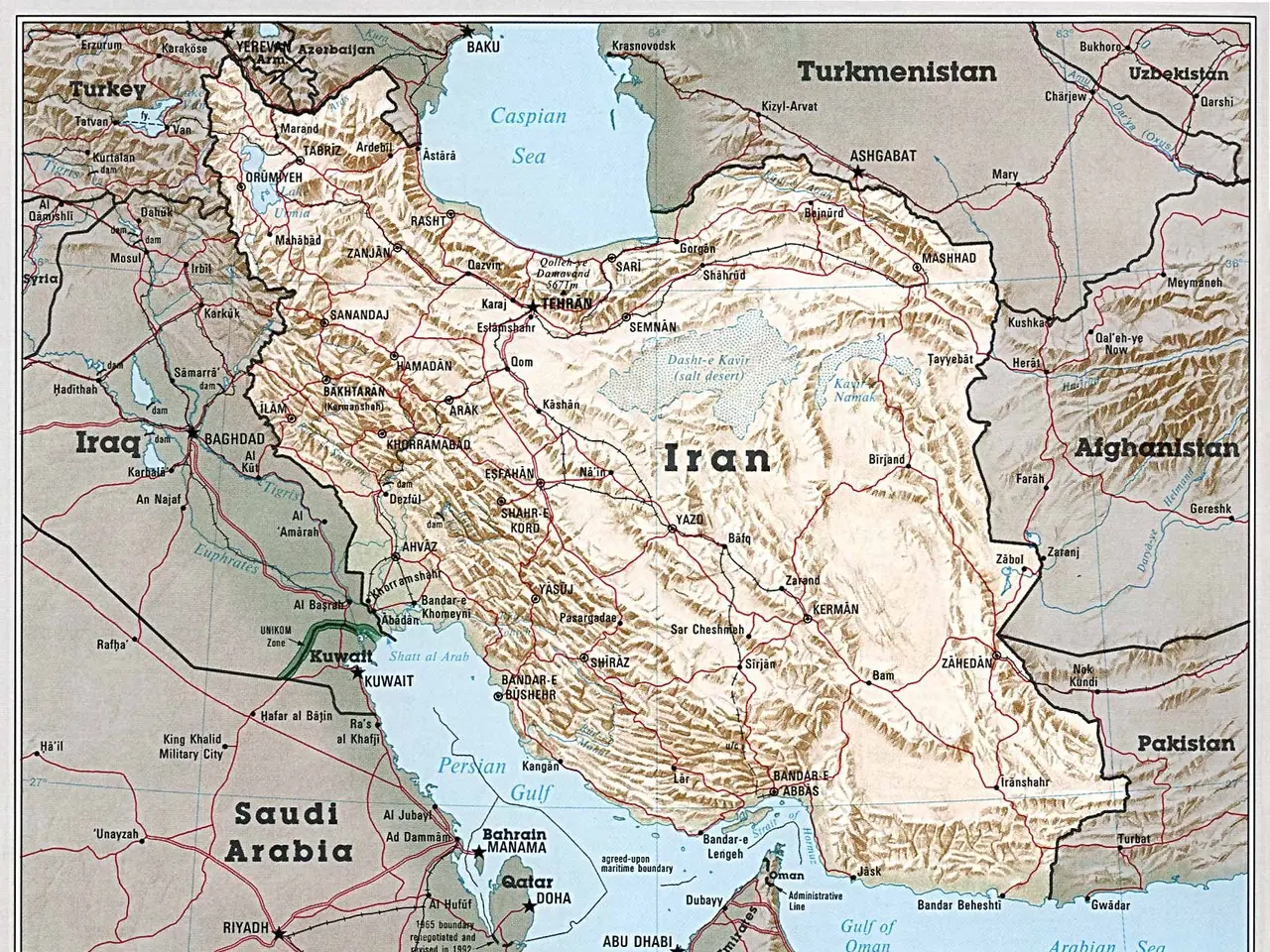
Inside Iran, dissatisfaction runs deep. Surveys suggest 80% of the population opposes the current regime, yet state repression keeps dissent in check. Many Iranians endure heavy restrictions, dampening hopes for quick reform. Analysts, including Welti, argue that real change will likely come from within—possibly through power struggles between the Revolutionary Guard and the clergy. Externally, Iran’s position is equally precarious. The Strait of Hormuz, a critical chokepoint, carries 20% of the world’s oil. Any disruption there would send shockwaves through global trade. Meanwhile, former US President Donald Trump once proposed 'Operation Epic Fury,' a plan to cripple Iran’s nuclear and missile programmes while pushing for regime change. Reza Pahlavi, the exiled son of Iran’s last shah, holds little influence inside the country. Even among the diaspora, he lacks broad support. His role in any future transition remains uncertain.
Iran’s path forward stays unclear, with internal tensions and external pressures shaping its trajectory. The country’s vast history and resilient people contrast sharply with its political realities. For now, observers like Welti stress that any meaningful shift will depend on forces already at work inside Iran.
Read also:
- Peptide YY (PYY): Exploring its Role in Appetite Suppression, Intestinal Health, and Cognitive Links
- Toddler Health: Rotavirus Signs, Origins, and Potential Complications
- Digestive issues and heart discomfort: Root causes and associated health conditions
- House Infernos: Deadly Hazards Surpassing the Flames