
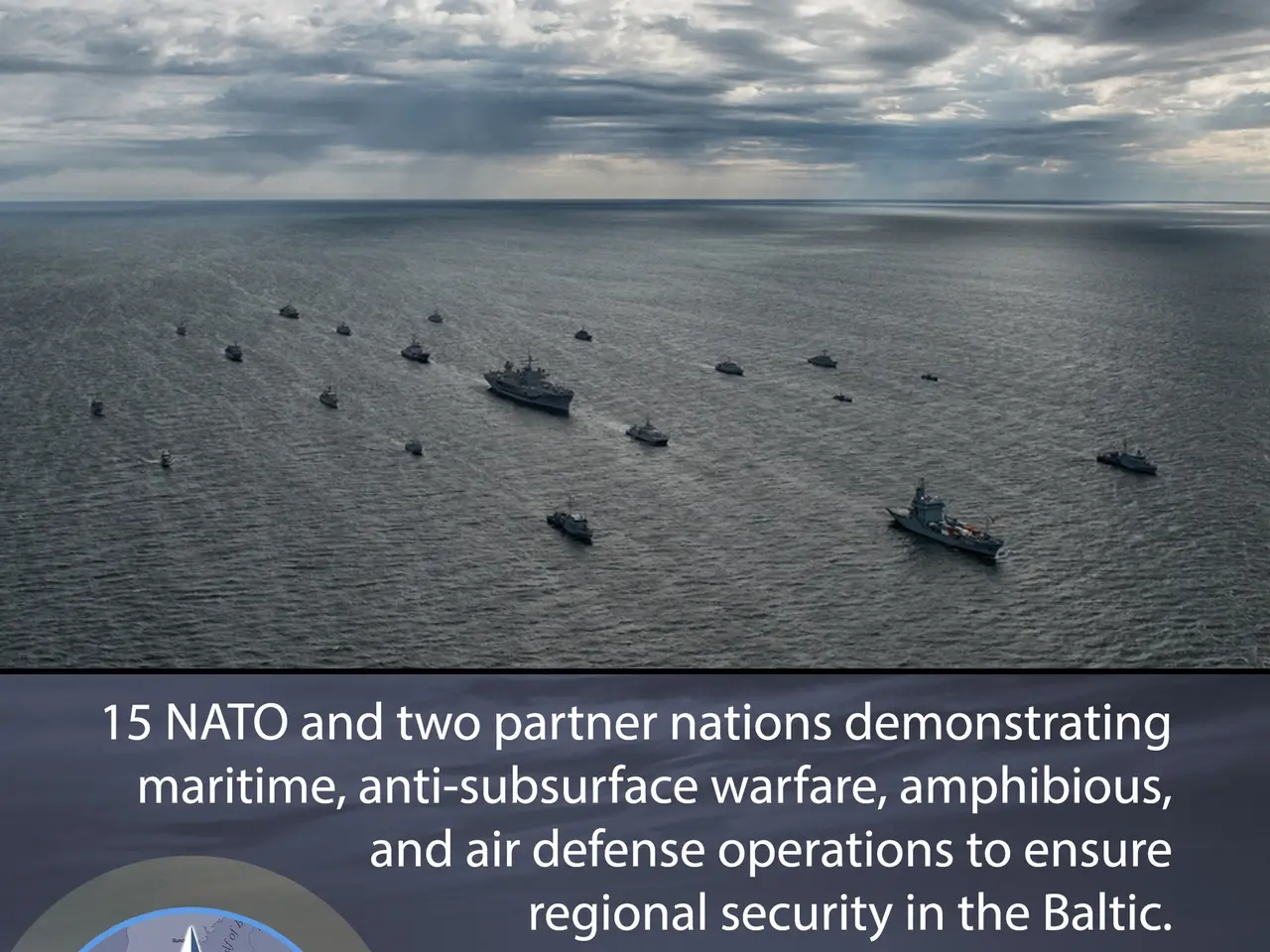
NATO's Baltic Sea buildup intensifies as Poland and Sweden unite against Kaliningrad threat
The Baltic Sea has become a key focus for NATO’s eastern defences. With Finland and Sweden now part of the alliance, nearly the entire coastline falls under NATO control. Poland and the Baltic States are accelerating military projects to counter regional threats, particularly from Russia’s exclave of Kaliningrad.
In February 2023, Polish Prime Minister Donald Tusk visited Gdynia, calling the port city central to a growing geopolitical project in the Baltic. His remarks highlighted Poland’s push to strengthen its naval and coastal defences. A month later, on 12 March, Polish Defence Minister Władysław Kosiniak-Kamysz met his Swedish counterpart Pål Jonson at the Gdynia Naval Base. There, they agreed to joint investments in defence industries and a new security framework for the Baltic Sea.
The region’s strategic importance has grown since Russia’s invasion of Ukraine. Kaliningrad, a heavily militarised Russian exclave, sits between NATO members Poland and Lithuania. Just south lies the Suwałki Gap, a vulnerable 65km stretch of land separating Belarus from Kaliningrad. To address these risks, Poland and the Baltic States launched initiatives like the Baltic Defence Line and Poland’s Eastern Shield 2024-2028 programme. Poland has also expanded its military capabilities. In 2024, it ordered 1,000km-range American JASSM-ER missiles, though delivery delays are likely due to global shortages. Prime Minister Tusk further celebrated the purchase of three Swedish A26 submarines, calling them proof of Poland’s 'reborn maritime power' and stronger international partnerships. The Baltic Sea’s economic value—home to vital seabed infrastructure and busy shipping routes—adds to the urgency of these efforts.
NATO’s expansion in the Baltic has reshaped regional security dynamics. Poland’s investments in submarines, missiles, and joint defence projects signal a long-term commitment to countering potential threats. The collaboration with Sweden and other allies aims to secure critical maritime and land corridors in an increasingly tense geopolitical landscape.
Read also:
- Peptide YY (PYY): Exploring its Role in Appetite Suppression, Intestinal Health, and Cognitive Links
- Toddler Health: Rotavirus Signs, Origins, and Potential Complications
- Digestive issues and heart discomfort: Root causes and associated health conditions
- House Infernos: Deadly Hazards Surpassing the Flames


