Manta and Devil Rays Face Extinction Without Urgent Conservation Action
A week-long match-funding campaign offering to double every public donation in support of manta and devil ray conservation launched today, as the Manta Trust joins the Earth Raise 2026 initiative running from 22 to 29 April.
The campaign arrives at a difficult moment for marine conservation. Manta and devil ray populations are in global decline, squeezed by bycatch, targeted fishing, habitat degradation and pollution - pressures compounded by the biological reality that these animals reproduce slowly and cannot quickly rebound from losses.
International protections have grown stronger in recent years, most notably through the uplisting of all manta and devil ray species to Appendix I under CITES, the highest level of trade protection available. Yet the gap between policy and practice remains wide. Inconsistent monitoring, uneven compliance and limited enforcement resources mean that agreements forged in conference rooms do not always reach the open ocean.
"Global agreements are a vital step forward, but they are only effective if they are implemented," said Dr. Guy Stevens, Chief Executive and Co-Founder of the Manta Trust. "That's where organisations like ours play a crucial role - bridging the gap between policy and action, and ensuring these animals are protected in reality, not just in principle."
The financial backdrop adds further urgency. Global aid cuts, shrinking grant pools and rising operational costs are bearing down on the non-governmental organisations that carry much of the practical weight of conservation - conducting field research, advising on policy, and working directly with coastal communities to ease pressure on marine ecosystems.
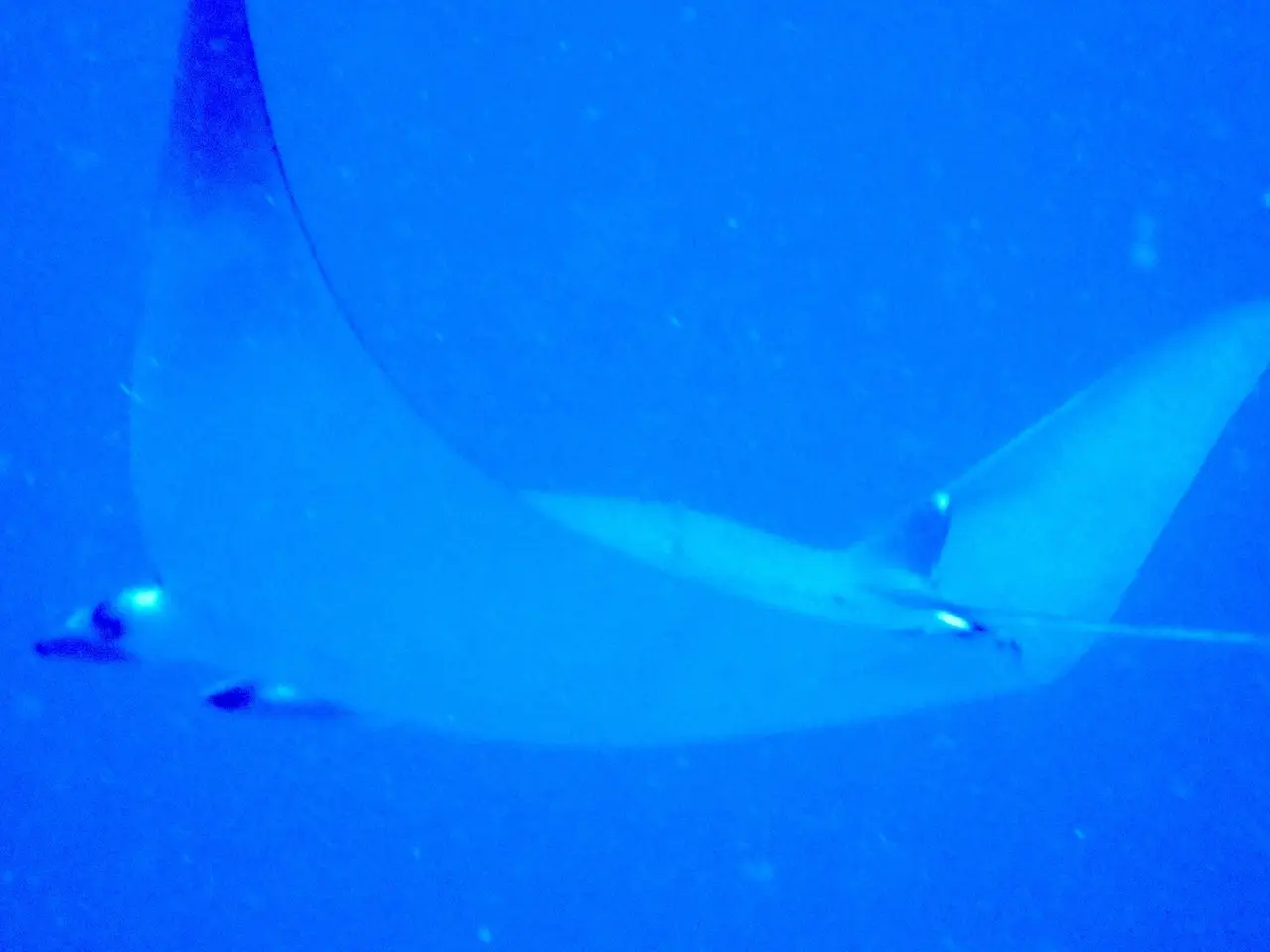
Beyond their ecological role, manta rays hold a particular place in the ocean's hierarchy of intelligence. Possessing the largest brain-to-body ratio of any fish, they exhibit curiosity, social complexity and behaviours that divers frequently describe as distinctly individual - a detail reinforced by the fact that each animal can be identified by its unique spot pattern.
"Every action taken during Earth Raise has the power to create lasting change," adds Dr. Stevens. "By coming together, we can ensure these extraordinary animals - and the ecosystems they support - are protected for generations to come."
Donations made through the campaign will be matched in full for the duration of the week.
Those wishing to contribute can do so via the Big Give platform, here.
Read also:
- Peptide YY (PYY): Exploring its Role in Appetite Suppression, Intestinal Health, and Cognitive Links
- Toddler Health: Rotavirus Signs, Origins, and Potential Complications
- Digestive issues and heart discomfort: Root causes and associated health conditions
- House Infernos: Deadly Hazards Surpassing the Flames