How Amsterdam's tourism boom reshapes local business revenues by 2025
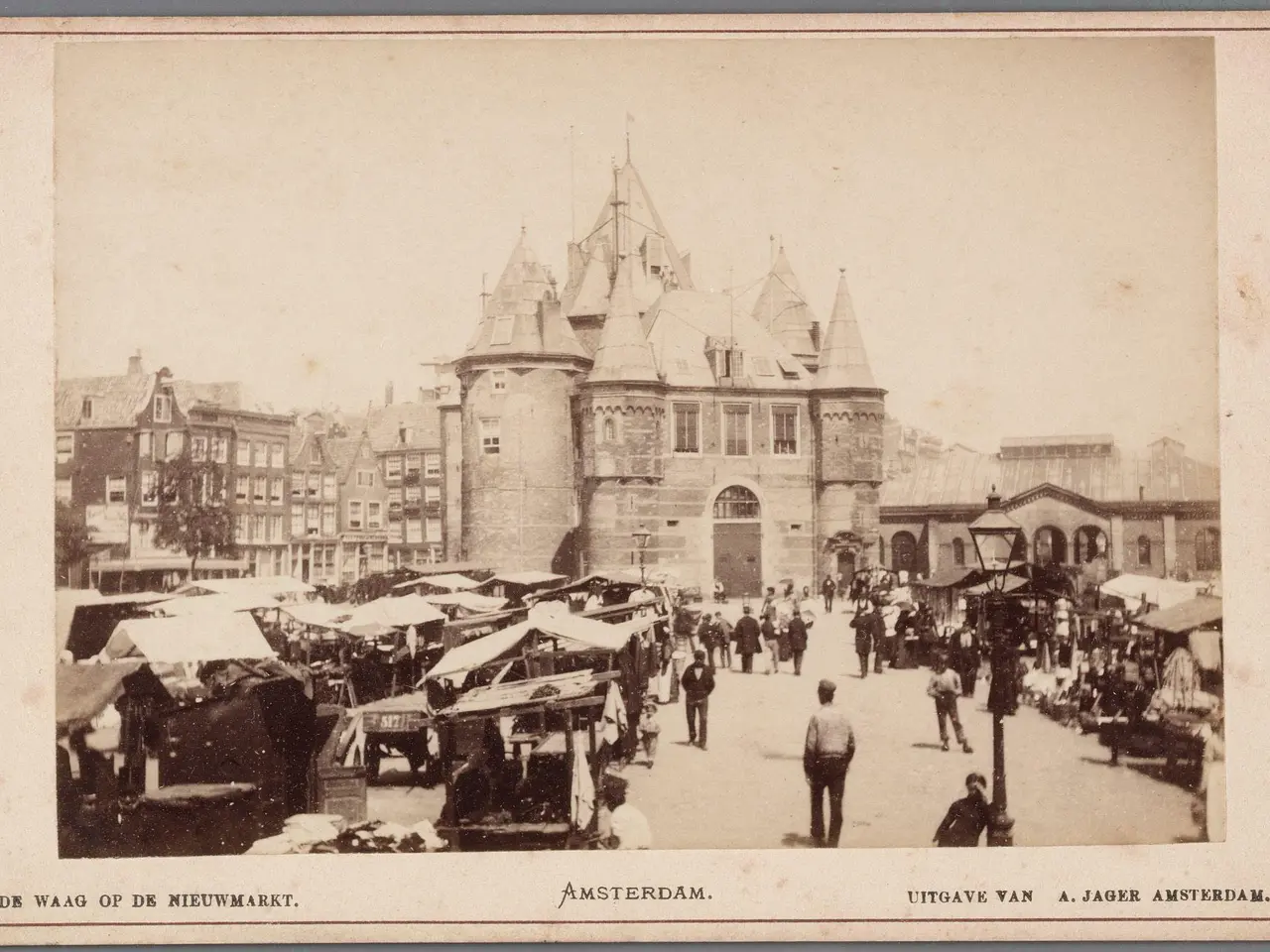
A new study has examined how rising tourism affects local businesses in Amsterdam and its surrounding areas. The research tracks revenue changes for retailers, food and drink venues, and accommodation providers from 2019 to 2025. Commissioned by the city, it aims to address concerns from entrepreneurs about financial pressures in the city centre. The report covers three key regions: Amsterdam’s city centre, the wider municipality (excluding the centre), and the Amsterdam Metropolitan Area (MRA). The MRA includes 32 municipalities, such as Aalsmeer, Almere, Amstelveen, and Haarlem.
Revenue data is broken down quarterly and annually, showing trends for non-food retailers, food and beverage businesses, and hotels. The figures also highlight what share of companies saw higher or lower earnings compared to the previous year. By comparing these areas, the study reveals how tourism-driven demand shifts over time. The findings provide a detailed look at financial performance across different sectors and locations.
The results offer a clear picture of how tourism impacts local trade in Amsterdam and beyond. Businesses in the city centre can now see how their revenue compares to other districts and neighbouring towns. The data will help policymakers and entrepreneurs plan for future challenges and opportunities.
Read also:
- Peptide YY (PYY): Exploring its Role in Appetite Suppression, Intestinal Health, and Cognitive Links
- Toddler Health: Rotavirus Signs, Origins, and Potential Complications
- Digestive issues and heart discomfort: Root causes and associated health conditions
- House Infernos: Deadly Hazards Surpassing the Flames