Belarus frees 100+ political prisoners as U.S. lifts potash sanctions in policy shift
Belarus released more than 100 political prisoners on December 13, 2025, shortly after the U.S. lifted sanctions on its potash industry. The move came amid shifting Western policies and ongoing tensions with neighbouring Lithuania over smuggling operations. Observers remain divided on whether this signals a lasting change in the country’s approach to human rights and diplomacy. The release of prisoners followed a visit by U.S. special envoy John Coale to Minsk on December 12, 2025. During the trip, Washington announced the removal of sanctions on Belarusian potash, a key export. This decision marked a shift in U.S. policy, which had previously aligned with the Belarusian opposition led by Sviatlana Tsikhanouskaya.
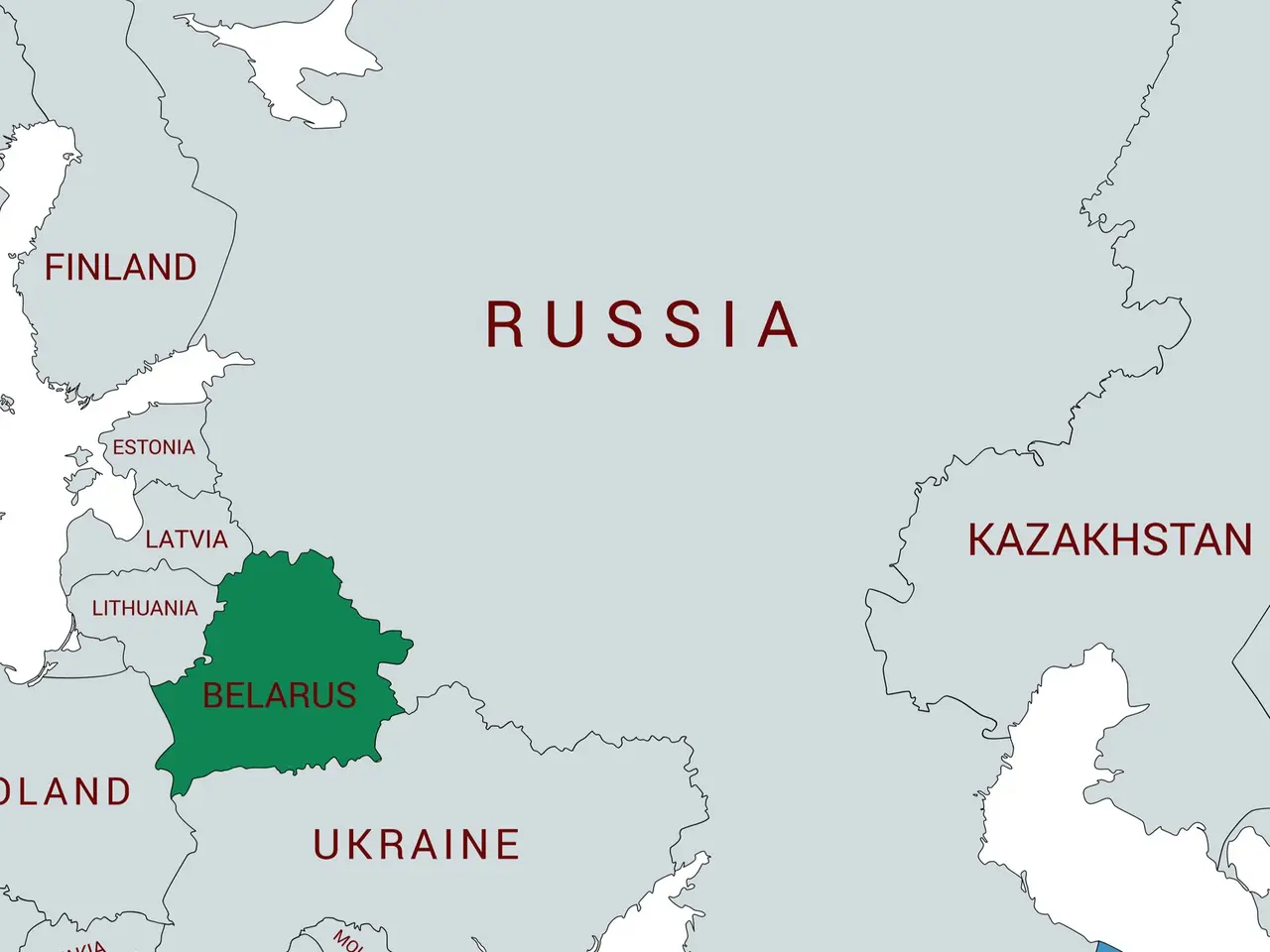
Earlier in 2025, Belarusian dictator Alexander Lukashenko had escalated tensions by sending balloons filled with smuggled cigarettes into Lithuanian airspace. The operation disrupted flights and strained relations with Vilnius. However, the balloon smuggling abruptly stopped on December 20, 2025, just days after the prisoner release. Meanwhile, Germany’s Foreign Minister Johann Wadephul visited Lithuania in 2025, where he issued a direct warning to Lukashenko. The message underscored Western concerns over ongoing repression, which groups like Amnesty International continue to label as 'brutal'. Despite this, Lukashenko has sought to diversify Belarus’s alliances beyond Russia, aiming to preserve the country’s independence. The U.S. may now push Lithuania and Latvia to allow the transit of goods to Belarus. Such a move would further ease economic pressure on Minsk, though critics argue it risks overlooking persistent human rights abuses.
The prisoner release and sanctions relief have altered Belarus’s diplomatic landscape. While smuggling operations have halted for now, the country’s long-term relations with the West remain uncertain. The next steps will depend on whether Minsk takes further action to address international concerns over repression and governance.