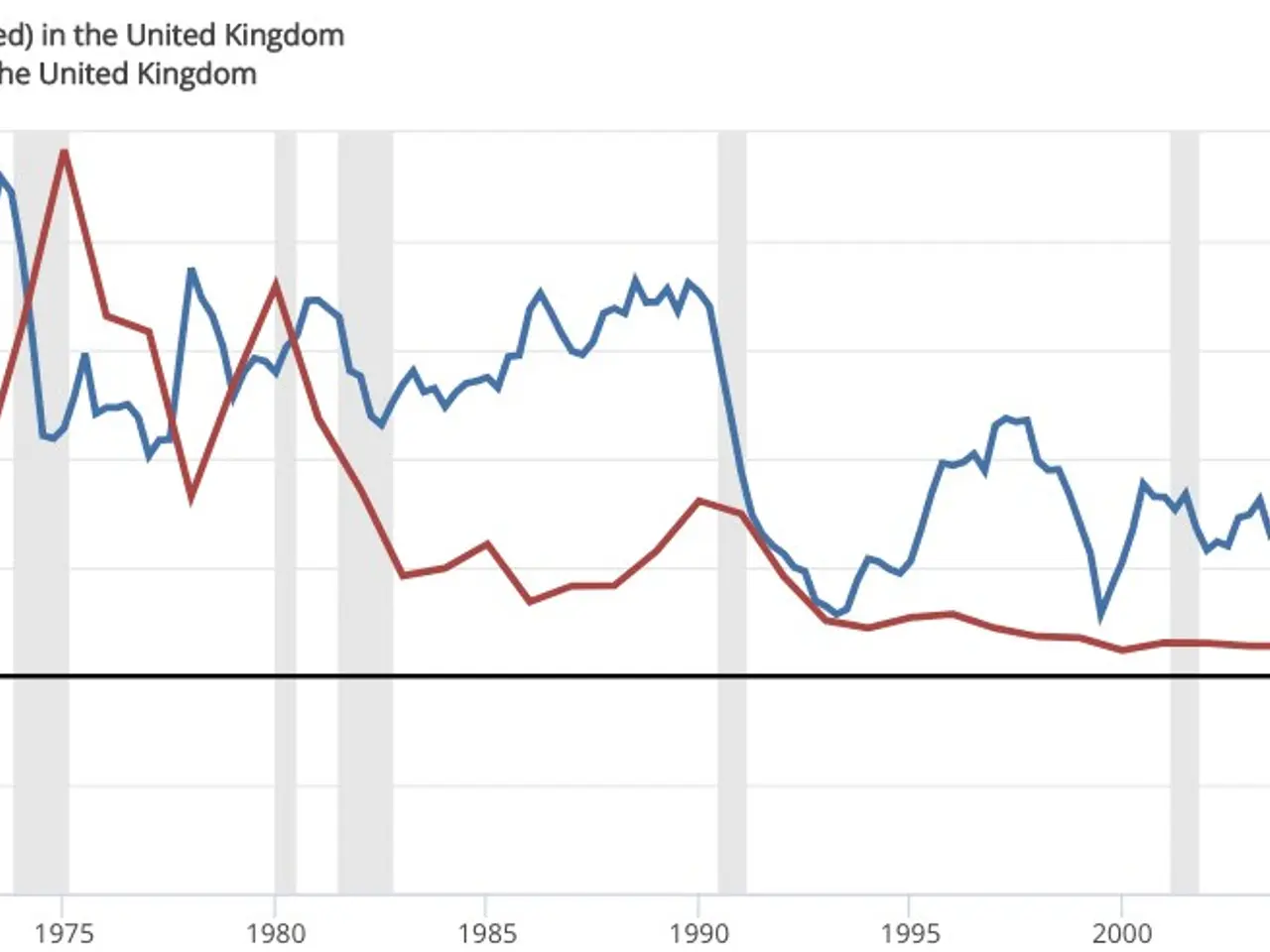
UK economy faces sluggish growth despite falling inflation and interest rates
The Office for Budget Responsibility (OBR) has released updated economic forecasts, painting a mixed picture for the UK’s financial future. While inflation is expected to ease and borrowing costs may drop, growth remains sluggish, and tax burdens are set to climb.
Chancellor Rachel Reeves has welcomed signs of falling inflation and interest rates as proof her economic strategy is taking effect.
The OBR now predicts inflation will decline from 3.4 percent in 2025 to 2.3 percent by 2026. Alongside this, the Bank of England’s base rate is forecast to fall to 3.3 percent by late 2026, offering some relief to borrowers.
However, the outlook for growth is less optimistic. The OBR has cut its GDP forecast for 2026 to just 1.1 percent, while real GDP per person is expected to grow at an average of 1.1 percent annually between 2026 and 2030. Unemployment is also projected to peak at 5.3 percent in 2026, reflecting ongoing economic pressures. Public finances show some improvement, with net borrowing now forecast at £132.7 billion—£6 billion lower than the OBR’s November prediction. Yet, tax receipts as a share of GDP are set to reach a historic high of 38.5 percent by 2030/31, increasing the burden on taxpayers. The OBR has also warned that the conflict in the Middle East could disrupt global energy markets. If tensions persist, economists expect energy prices to rise, potentially driving inflation back up and undermining recent progress.
The latest forecasts suggest a gradual easing of inflation and borrowing costs over the next two years. But with weak growth, rising unemployment, and higher taxes on the horizon, the economic challenges remain significant. The OBR’s warnings about geopolitical risks add further uncertainty to the UK’s financial outlook.
Read also:
- Peptide YY (PYY): Exploring its Role in Appetite Suppression, Intestinal Health, and Cognitive Links
- Toddler Health: Rotavirus Signs, Origins, and Potential Complications
- Digestive issues and heart discomfort: Root causes and associated health conditions
- House Infernos: Deadly Hazards Surpassing the Flames