EU gender equality lags 50 years behind despite slow progress
Gender inequality remains a major issue across the European Union, with women facing persistent gaps in pay, pensions, and legal protections. A new report highlights slow progress, revealing that full equality may not arrive for another five decades at the current rate. Women in the EU earn 12 percent less per hour than men. This wage gap extends into retirement, where their pensions are 25 percent lower. Beyond income, female-led startups receive just three percent of all investment capital.
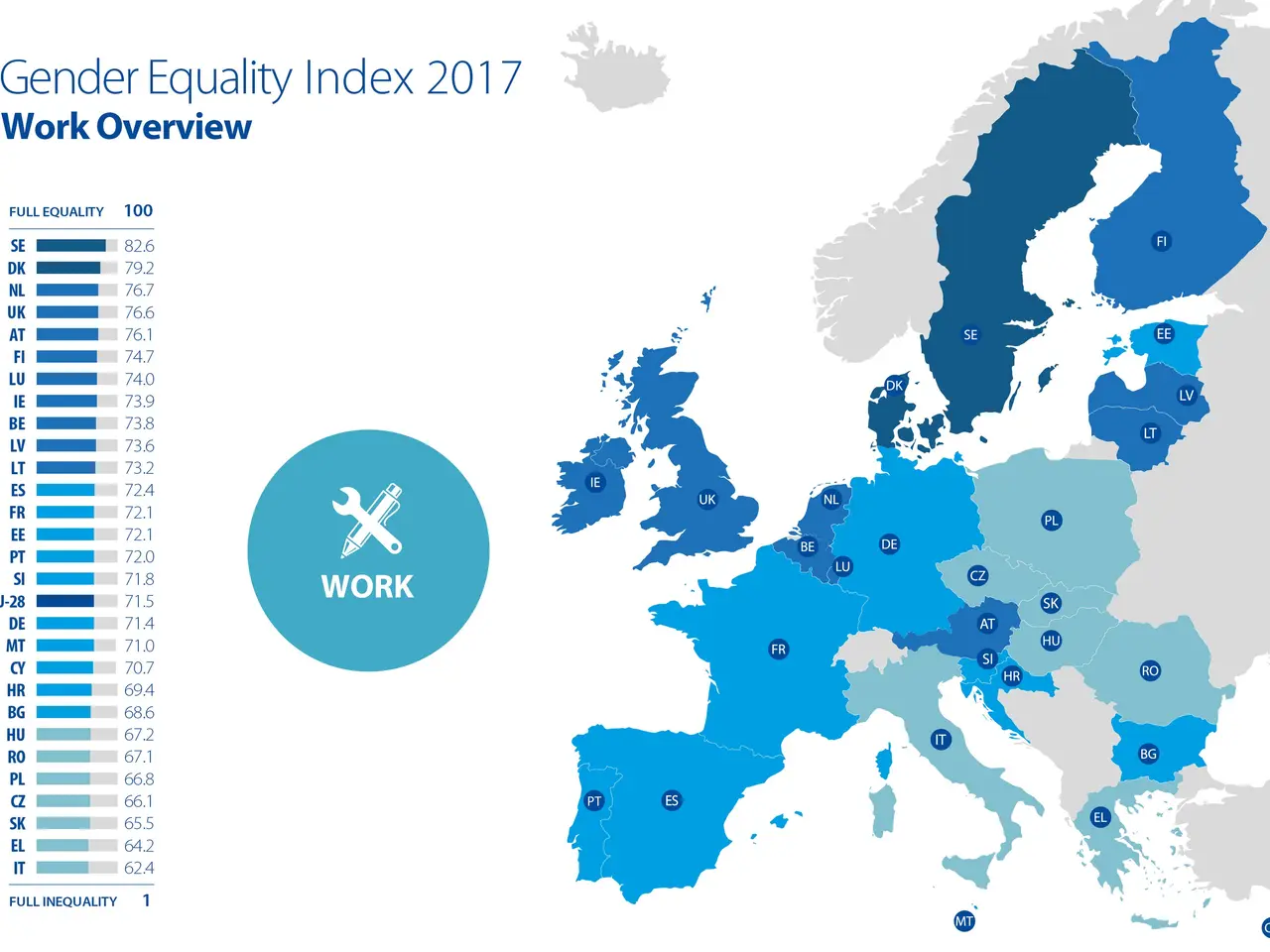
The economic cost of this inequality is substantial. The EU loses €390 billion each year due to gender disparities. Despite these challenges, the bloc’s average gender equality score stands at 63.4 out of 100. Germany scores slightly higher in labour-market equality at 63.9, but still falls short.
Legal protections also lag behind. The EU failed to establish a uniform definition of rape, leaving laws inconsistent. In 18 of 27 member states, rape is only prosecuted if physical force or threats were used. Germany, for example, still follows a 'no means no' standard rather than an affirmative consent model. At the current pace, the EU will not achieve full gender equality for another 50 years. The wage gap, pension disparities, and uneven legal protections continue to hold women back. Without stronger measures, economic and social inequalities are likely to persist.
Read also:
- Peptide YY (PYY): Exploring its Role in Appetite Suppression, Intestinal Health, and Cognitive Links
- Toddler Health: Rotavirus Signs, Origins, and Potential Complications
- Digestive issues and heart discomfort: Root causes and associated health conditions
- House Infernos: Deadly Hazards Surpassing the Flames