
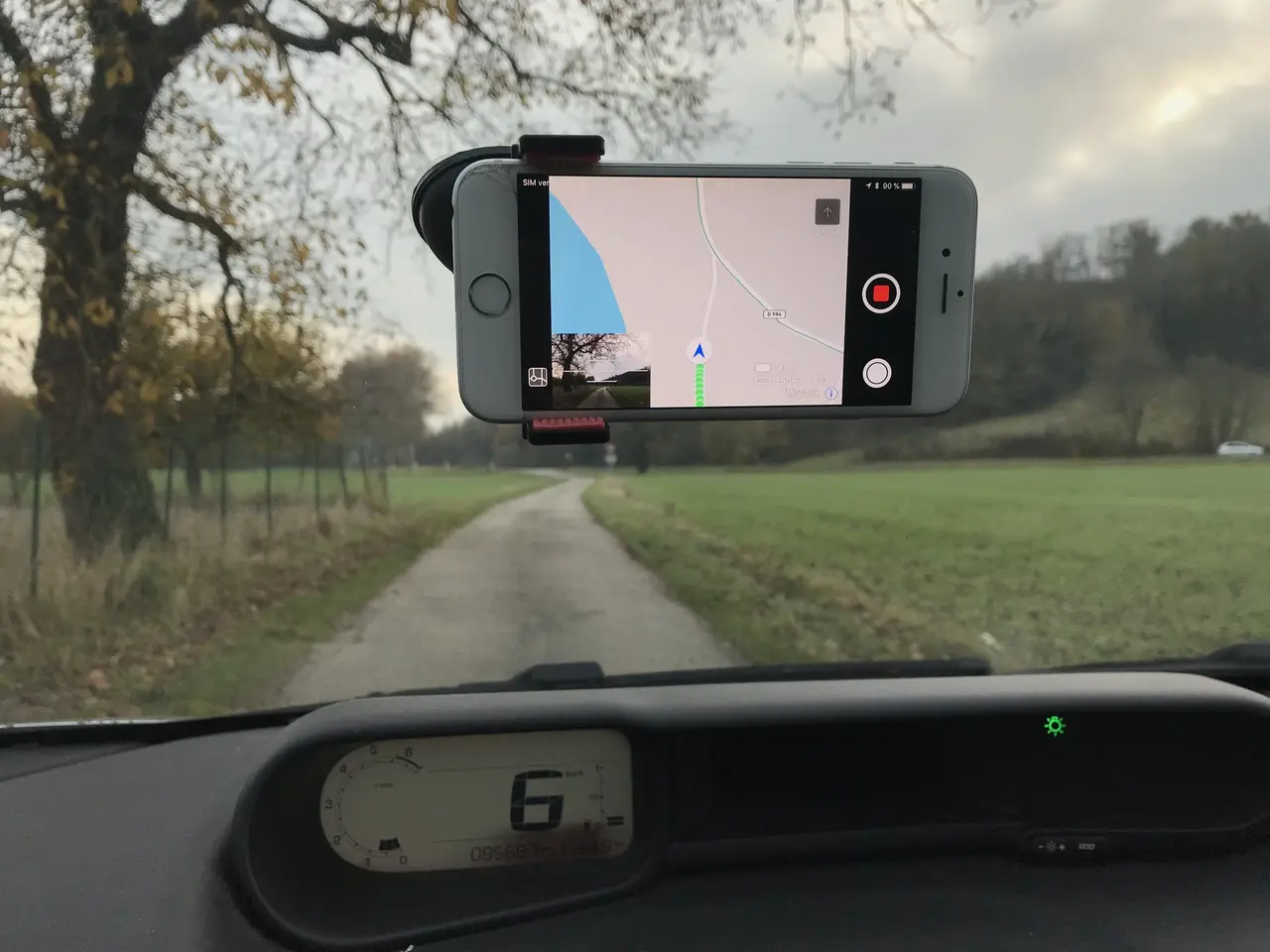
Your Car Knows More Than You Think—Here's What It's Tracking Every Second
Modern cars collect vast amounts of data on every journey. From seatbelt use to braking patterns, manufacturers track nearly every action behind the wheel. Some insurers now use this information to reward safe driving—but the sheer volume of recorded details has raised questions about privacy and security. A single test drive of 176 kilometres produced around 17,250 pages of data. Cars today log 295 separate data points every half-second. These include passenger numbers, seatbelt usage, acceleration, braking, and whether the driver uses a mobile phone.
The system also monitors external surroundings, recording footage from rearview cameras. Some manufacturers, like Tesla, go further by tracking speed, pedal positioning, and headlight use. Even hand placement on the wheel is detected. Companies such as Geotab, a leader in vehicle data analytics, work with most automakers to enable real-time tracking. Insurers like Smile Insurance use this data for services like 'Drive Coach,' which analyses behaviour and rewards safe drivers. However, poor driving may not always increase premiums, though access to data could be required for other services. Security concerns have also emerged. In 2021, Stellantis Group admitted a cyberattack that exposed customer data, highlighting potential risks in storing such detailed records.
The data collected by cars today goes far beyond basic trip details. With insurers and manufacturers relying on this information, drivers face a trade-off between benefits and privacy. The sheer scale of recorded data—along with past security breaches—means scrutiny over its use is likely to grow.
Read also:
- Peptide YY (PYY): Exploring its Role in Appetite Suppression, Intestinal Health, and Cognitive Links
- Toddler Health: Rotavirus Signs, Origins, and Potential Complications
- Digestive issues and heart discomfort: Root causes and associated health conditions
- House Infernos: Deadly Hazards Surpassing the Flames


