Young individuals adopting innovative methods in sexual consent education, according to research.
In a groundbreaking study, researchers have found that teaching young people about consent using a continuum-based approach, grounded in real-life experiences, significantly improves their understanding of sexual rights and ethics. This innovative methodology, developed by Dr. Patricia G. Sanders and adopted by the UK's largest sexual health and wellbeing charity for young people, Brook, has shown promising results.
The sexual consent continuum, as defined by Dr. Sanders and her colleagues at Brook, comprises four sections, each delineated by young people themselves. The continuum varies from rape, where consent is absent, to where consent is explicitly negotiated.
The study, published in the peer-reviewed journal "Sex Education", was carried out in partnership with Brook and involved the participation of 103 young adults. Dr. Sanders, who led the research, found that while young people were able to explain the legal definition of consent, they found this awkward and restrictive when applied to real-world scenarios.
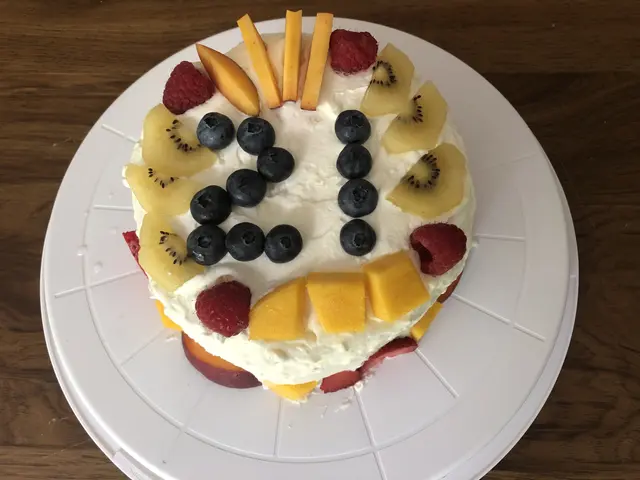
To encourage participation and critical thinking, Dr. Sanders employed various creative methods and activities, including cake decorating, interactive games, and scenario-based discussions. These activities allowed people to explore gendered double standards, societal expectations, and the ways in which age can impact people's ability to negotiate consent.
The findings of the study, which followed a two-year project, are significant enough for resources, including the continuum, to now be used by Brook in its teacher training. By using a continuum to explore consent, Dr. Sanders found that it offered young people a way of viewing sex and consent that is not rigid, and which mirrored their own experiences.
The study also found that using continuums and diverse scenarios enabled young people to think critically about different ways of doing and negotiating consent. A secondary school teacher participant found the Consent Continuum useful for discussions with young people about real-life consent scenarios.
The overwhelming majority of participants who have been trained so far have found the methodology useful and plan to use it in their teaching. Brook has introduced the teaching methodology into its free digital training, making it accessible to educators across the UK.
The device of the continuum offers a way of speaking about and viewing sex, consent, and violation that is not absolute. It provides a flexible framework for understanding the complexities of consent in real-world situations, empowering young people to make informed decisions and fostering a culture of respect and consent.
Read also:
- Peptide YY (PYY): Exploring its Role in Appetite Suppression, Intestinal Health, and Cognitive Links
- Toddler Health: Rotavirus Signs, Origins, and Potential Complications
- Digestive issues and heart discomfort: Root causes and associated health conditions
- House Infernos: Deadly Hazards Surpassing the Flames