Wyoming Faces Extreme Wildfire Threat as Record Heat Fuels Early Blazes
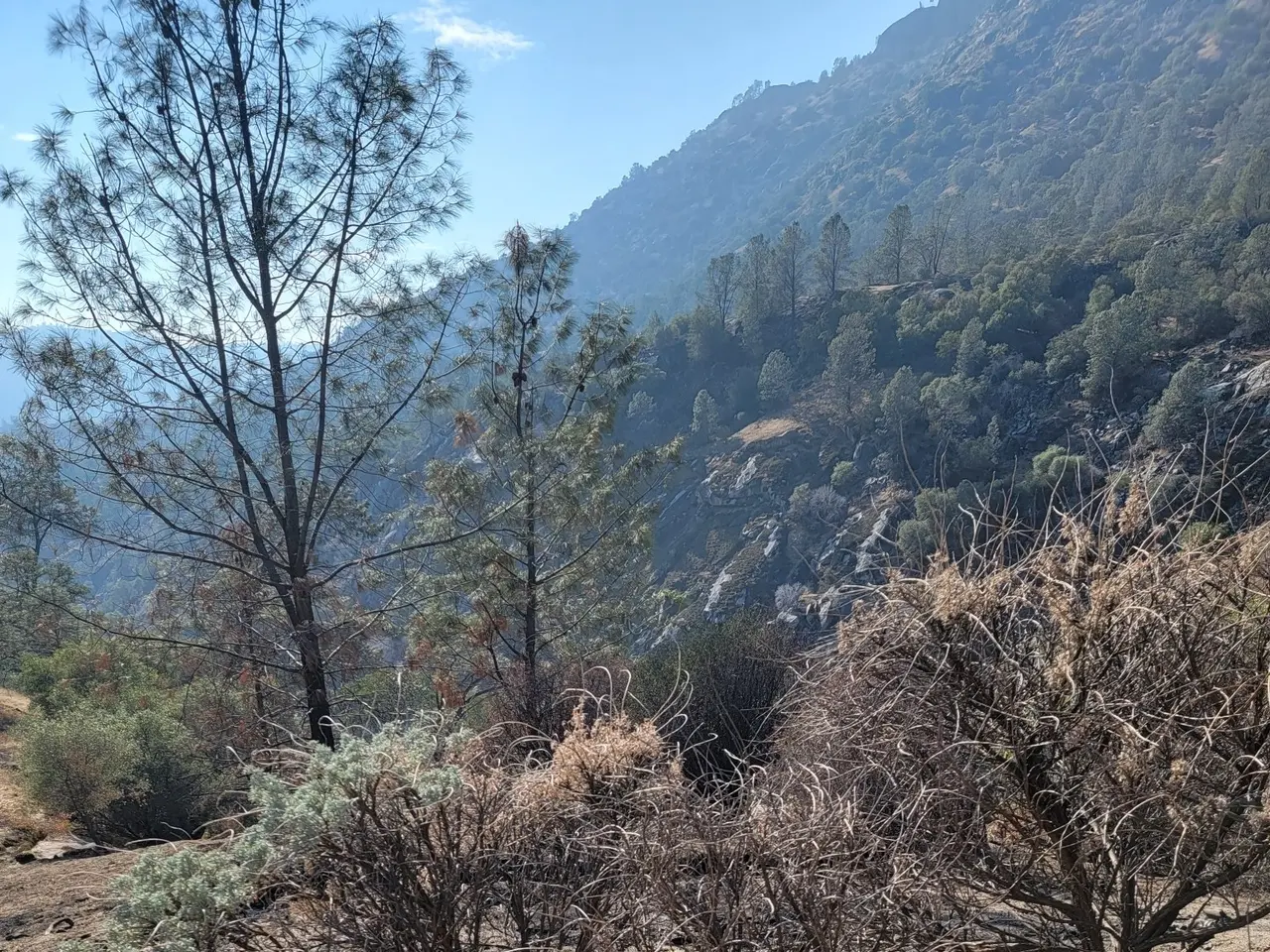
Wyoming is bracing for a high-risk wildfire season as dry conditions and record heat raise concerns. State lawmakers have already allocated extra resources to firefighting in response. Firefighters and residents are preparing for what could be a challenging summer ahead. The warning signs appeared early this year. In March 2024, Wyoming recorded 12 officially declared wildfires, with the eastern regions—particularly Laramie and Platte Counties—hit hardest by dry winds and low humidity. The Kane fire in Big Horn County also burned through parts of the state, signalling an early start to the season.
The situation mirrors a broader national trend. The U.S. has either set or neared records for wildfires ignited and acreage burned by March. A record-breaking heatwave that month, made far more likely by climate change, worsened conditions. Forecasters now predict significant fire potential across southern Wyoming in April, June, and July. Local authorities have taken action. Natrona County joined 10 others in imposing fire restrictions due to elevated risks. Meanwhile, state lawmakers approved new firefighting resources during the 2025 legislative session to bolster preparedness.
Residents are being urged to take precautions. Clearing firewood, removing dead leaves, and trimming vegetation around homes can reduce risks. With fire potential rising, officials stress the importance of having an evacuation plan in place before conditions worsen.
Read also:
- Peptide YY (PYY): Exploring its Role in Appetite Suppression, Intestinal Health, and Cognitive Links
- Toddler Health: Rotavirus Signs, Origins, and Potential Complications
- Digestive issues and heart discomfort: Root causes and associated health conditions
- House Infernos: Deadly Hazards Surpassing the Flames