Why older women in fiction are still fighting for the spotlight
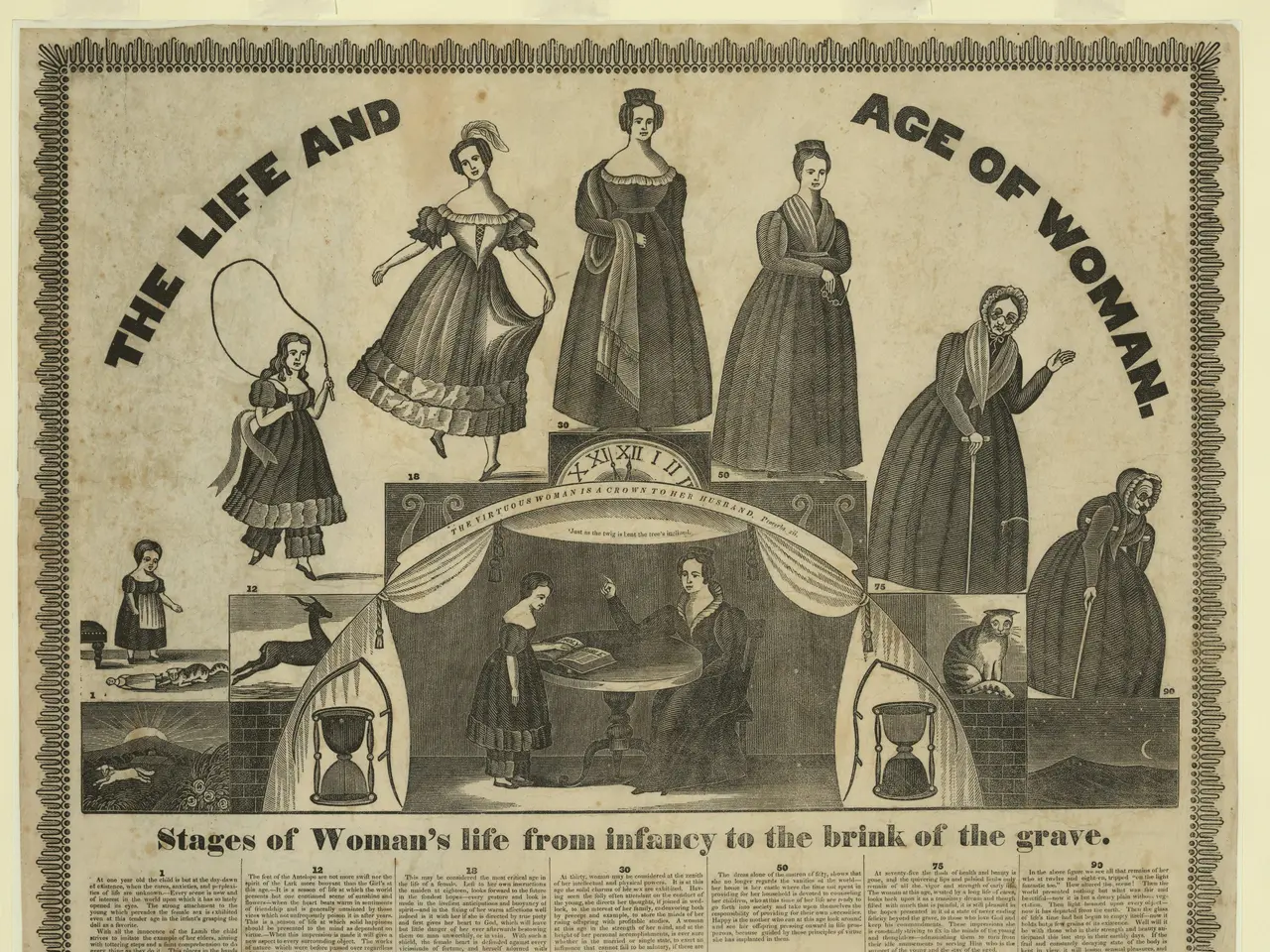
Older women rarely take centre stage in fiction. When they do, they often break conventions—usually in their eighties or nineties. Younger female protagonists, meanwhile, dominate nearly every genre, from fantasy to literary novels. In Naomi Alderman’s The Power, most female leads are in their twenties. This pattern repeats across books, films, and TV, where middle-aged women are sidelined or reduced to stereotypes. When they do appear, they’re often portrayed as envious, bitter, or overcompensating for lost youth.
George R. R. Martin’s Cersei Lannister stands out as an exception—a character whose power grows with age. But such examples are rare. More commonly, older women are cast as mothers, grandmothers, or background figures rather than complex protagonists. Bernice Rubens’ *A Five Year Sentence* follows a woman driven by loneliness and a lack of control over her life. Her struggle reflects a broader theme: reclaiming power is neither simple nor comfortable. It can be unsettling, even terrifying. *Broken Light* by an unnamed author flips the script. Its protagonist, Bernie Moon, gains a superpower during menopause—a transformation that frees her from societal expectations. The novel explores what happens when a woman sheds the roles forced upon her, embracing a new kind of strength.
Fiction still struggles to give older women meaningful roles. When they do step forward, their stories often revolve around defiance or reinvention. The challenge remains: to write them as fully realised characters, not just symbols of rebellion or decline.