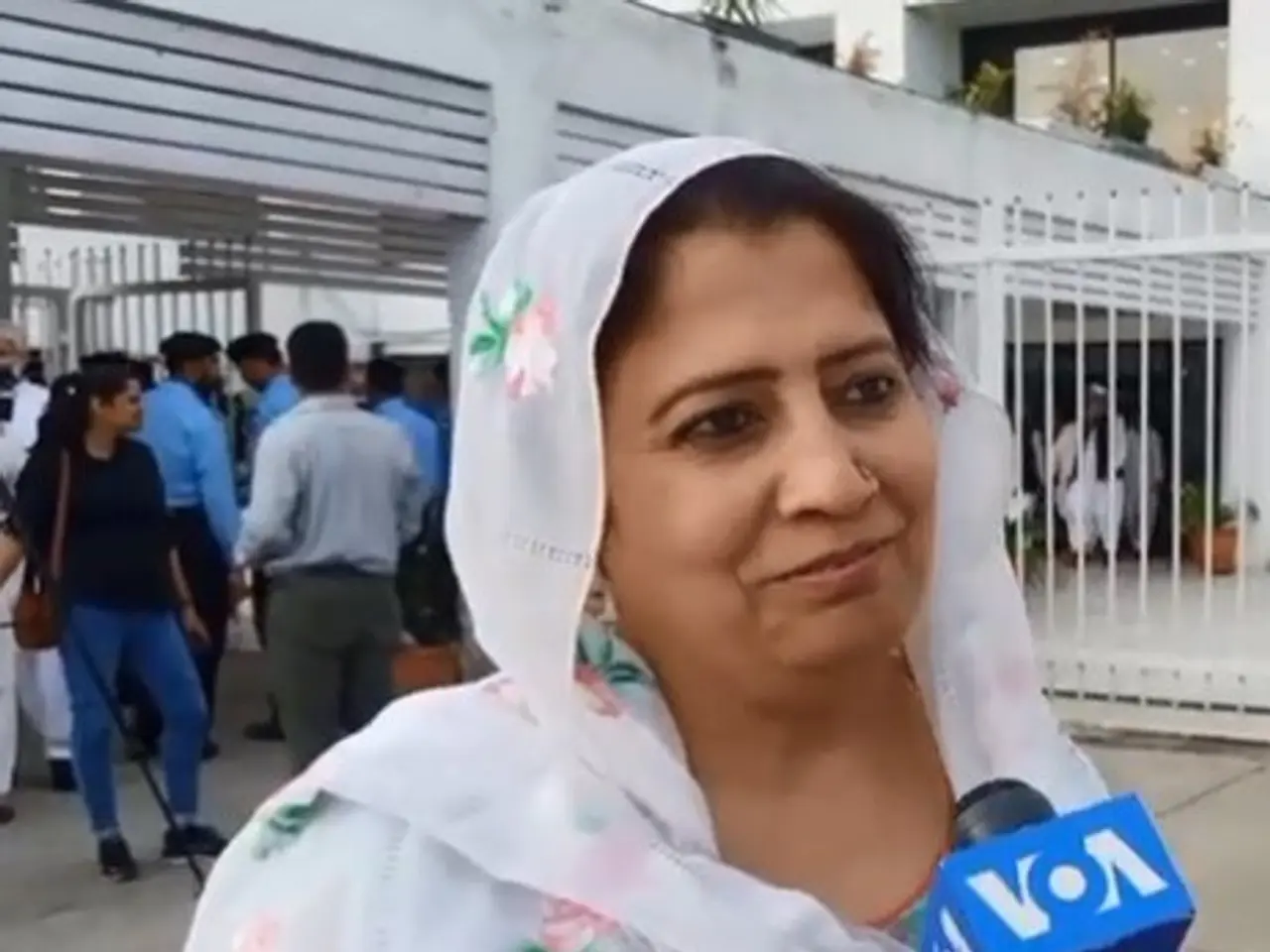
Why India's Lok Sabha Has Almost No Muslim Women MPs in 70 Years
Muslim women have long been underrepresented in India's Lok Sabha, despite making up 7.1% of the country's population. Since the first general election in 1951-52, only 18 Muslim women have won seats in the 543-member lower house—out of roughly 7,500 MPs elected over the same period. Their absence stretches across regions, with no southern state ever electing a Muslim woman MP in over seven decades.
The gap in representation is stark. No Muslim woman has entered the Lok Sabha in the last five terms, and their numbers have never exceeded four in a single term. Of the 18 who did serve, 13 came from political families, showing how dynastic ties often shape their entry into politics.
Early figures like Mofida Ahmad and Maimoona Sultan broke barriers in 1957, with Sultan securing two terms. Their careers, documented in the book *Missing from the House: Muslim Women in the Lok Sabha* by Rasheed Kidwai and Ambar Kumar Ghosh, reveal both their struggles and their impact. These women maintained high standards in public service, avoiding corruption or hate speech scandals. Yet their presence in the Lok Sabha remains just a starting point. The broader challenge lies in ensuring lasting, inclusive representation beyond token victories.
The contributions of these 18 Muslim women MPs add depth to India's democratic story, but their near-invisibility in the Lok Sabha persists. With no southern state ever electing one and family connections playing a key role in their rise, the path to equal representation remains uneven. Their legacy, however, continues to shape discussions on political inclusion in the world's largest democracy.
Read also:
- Ignorant Youth Unfamiliar with Quebec's Cultural Landscape
- PCOS-related Gas Buildup: Explanation, Control Strategies, and Further Insights
- Astral Lore and Celestial Arrangements: Defining Terms & In-Depth Insights - Historical Accounts & Glossary of Cosmic Mythology
- "Rural Idyls with Supercars: Astonishing Sites Where Residents Cruise McLarens and Ferraris for Groceries"