Vietnam's First Unicorn-Lion-Dragon Dance Museum Opens in Đà Nẵng
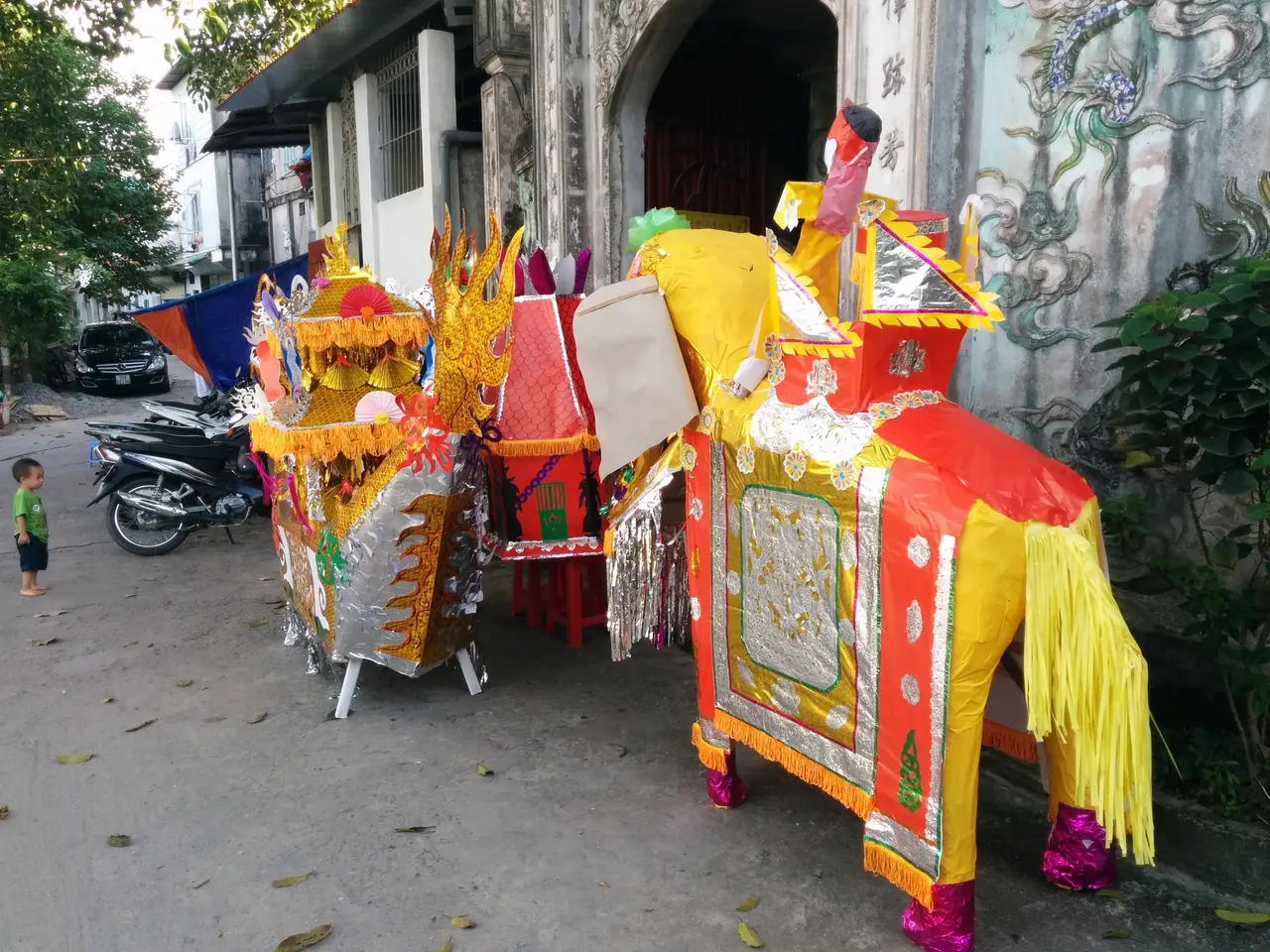
Vietnam's first museum dedicated to unicorn, lion, and dragon dancing opens today in Đà Nẵng. Located at Hội An Station 2, the 1,500-square-metre space celebrates traditional folk performances with regional exhibitions. The launch coincides with the Mid-Autumn Festival, adding cultural weight to the event.
The Unicorn-Lion-Dragon Dance Art Museum was designed by Lê Hồng, head of the Unicorn-Lion-Dragon Dance troupe at Bảy Bà Temple in An Giang Province. His work brings together the distinct dance styles of Vietnam's three regions, offering visitors a journey through local traditions.
Nearby, Sun World Bà Nà Hills is hosting festive activities for the Mid-Autumn Festival. Traditional desserts, lantern displays, and interactive experiences like mask painting and souvenir shopping will be available. The museum also features contemporary cultural exhibitions alongside its historical displays.
Charity programmes are running alongside the celebrations. Free medical check-ups and medicine distribution will support children from disadvantaged backgrounds and remote areas.
The museum is set to become a key cultural landmark in Đà Nẵng. It aims to preserve and promote Vietnam's folk heritage for both local and international visitors. The opening marks a new effort to keep traditional performances alive for future generations.
Read also:
- Ignorant Youth Unfamiliar with Quebec's Cultural Landscape
- PCOS-related Gas Buildup: Explanation, Control Strategies, and Further Insights
- Astral Lore and Celestial Arrangements: Defining Terms & In-Depth Insights - Historical Accounts & Glossary of Cosmic Mythology
- "Rural Idyls with Supercars: Astonishing Sites Where Residents Cruise McLarens and Ferraris for Groceries"