UK gambling taxes set to rise in Reeves' November budget shake-up
Chancellor Rachel Reeves is set to announce higher gambling taxes in her budget on 26 November. The move follows a Treasury review aimed at simplifying duties for online betting operators. Industry groups and racing bodies are now bracing for potential financial strain. The current tax rates stand at 15% for online sports betting and 21% for casino games. Reports suggest the government may align both at 21%, or push online gaming duties as high as 25-35%. A more radical proposal from the Institute for Public Policy Research even recommends a 50% rate for remote and machine gaming.
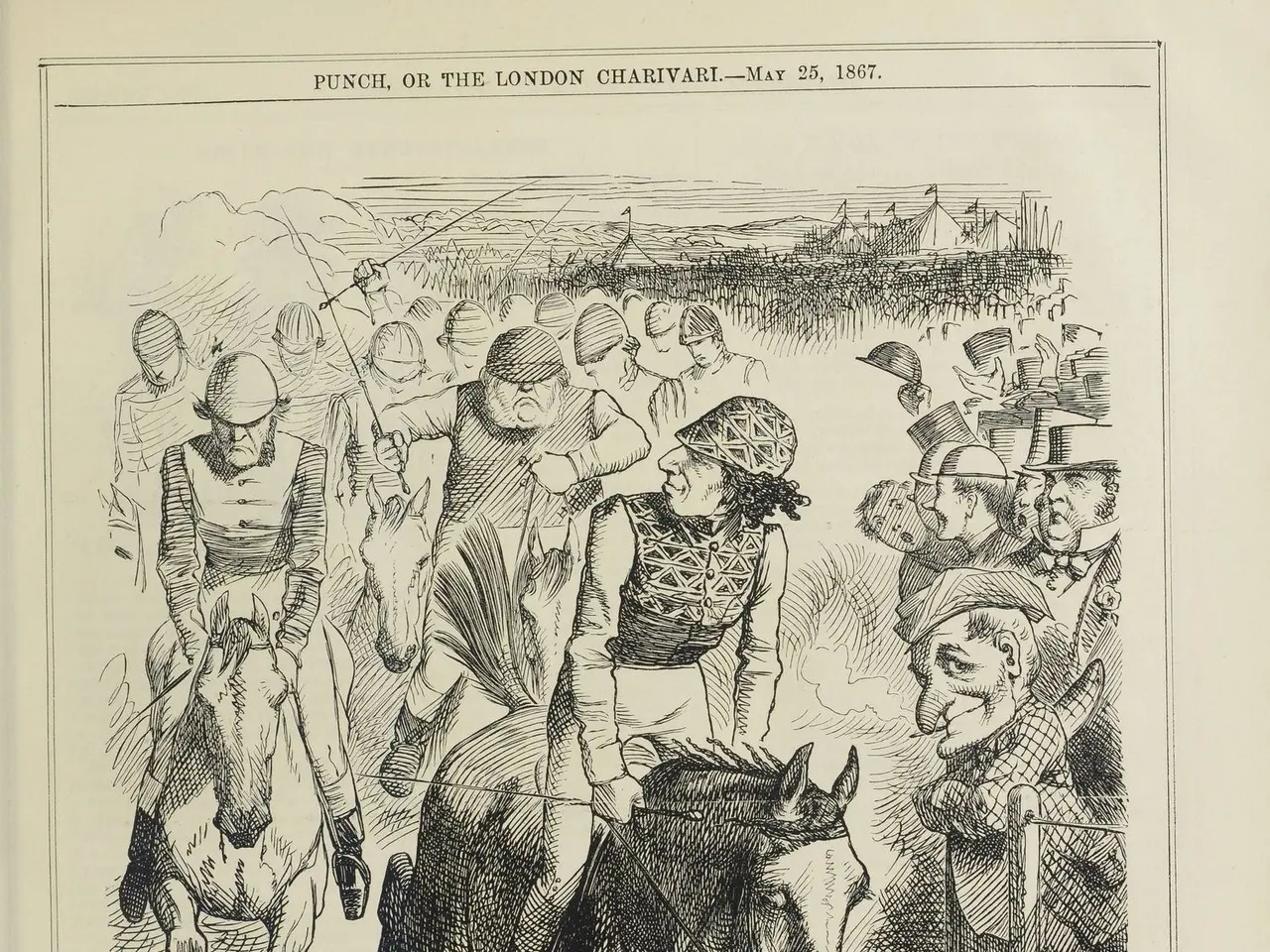
British racing has lobbied for a separate, lower tax rate, warning that a flat 21% would cost the sector £66 million in its first year. The Axe the Racing Tax campaign has gained support, urging ministers to reconsider the impact on the sport. Meanwhile, the government is weighing how tax rises could affect jobs across the gambling industry.
Reeves has made clear that the current system will not stay unchanged. The original consultation focused on simplifying duties, but the final decision now rests on balancing revenue needs with industry concerns. The budget announcement on 26 November will confirm the new rates. Racing and betting firms face higher costs, while the government assesses the broader economic effects. Any increase will apply to operators, though punters may also feel indirect consequences.
Read also:
- Peptide YY (PYY): Exploring its Role in Appetite Suppression, Intestinal Health, and Cognitive Links
- Ignorant Youth Unfamiliar with Quebec's Cultural Landscape
- PCOS-related Gas Buildup: Explanation, Control Strategies, and Further Insights
- Astral Lore and Celestial Arrangements: Defining Terms & In-Depth Insights - Historical Accounts & Glossary of Cosmic Mythology