Transforming Natural Gas into Liquid Fossil Fuels: A Process Overview
In the pursuit of a cleaner and more sustainable future, the world is witnessing a significant shift towards alternative fuels. This transition is driven by various factors, including technological advancements, government initiatives, and the collective efforts of industry leaders and academic institutions.
One key player in this revolution is SunPower, a technology provider specialising in the production of ultra-efficient solar panels for renewable energy generation. Their innovative technology is helping to power homes and businesses across the globe, reducing our reliance on fossil fuels.
Research institutions like Stanford and MIT are also at the forefront of this change, pioneering groundbreaking research in biofuels, solar cells, and other alternative fuel technologies. Their work is paving the way for a more sustainable future.
Government agencies are playing a crucial role in this transition, setting regulations and incentives to steer the industry towards sustainability. Policy initiatives provide financial support and tax breaks to encourage companies to invest in alternative fuel research and development. Government incentives, such as tax breaks and subsidies, can help offset the cost of alternative fuels, making them more accessible.
Oil giants like BP and Shell are also leading the charge, investing heavily in developing and producing cleaner alternative fuels. They are joined by engineering and construction companies, such as those building wind farms and solar panel installations, who design and build the infrastructure for alternative fuel production.
However, the adoption of alternative fuels is not without its challenges. Perception is a barrier, as consumers may have concerns about the performance, safety, or availability of these fuels. Education and awareness campaigns can help address these concerns, influencing consumer acceptance.
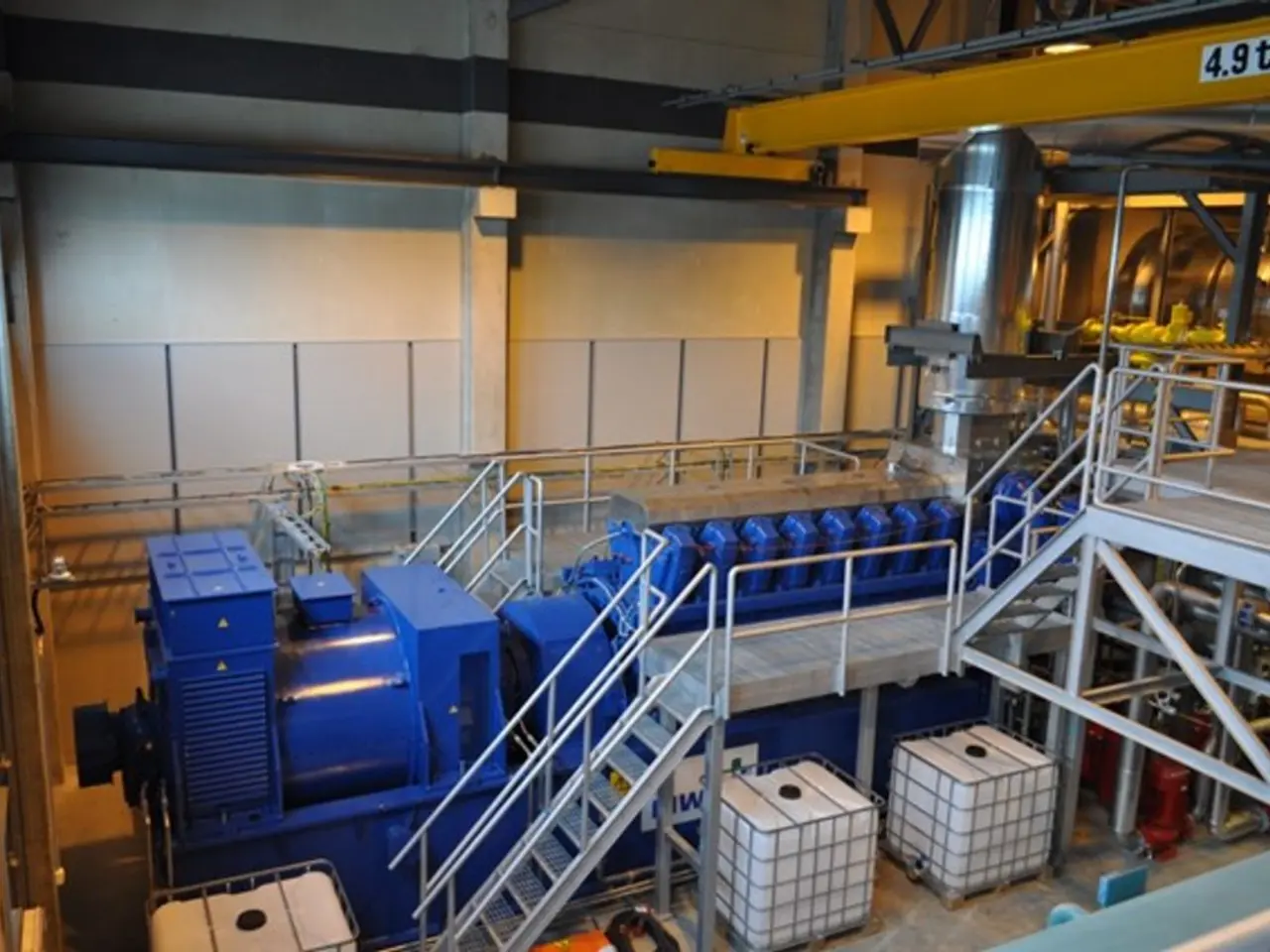
One promising area of research is Gas to Liquid Delta S, a process that converts natural gas into liquid fuels, such as diesel and jet fuel. Companies involved in related Gas-to-Liquid (GTL) and synthetic fuel technologies include Sasol, Shell Oil Company, Syntroleum, and Kaidi Finland, which work with Fischer-Tropsch and other synthetic kerosene processes. Innovative improvements are being made to these processes, focusing on feedstock flexibility, carbon management, and enhanced conversion processes.
The push towards electrification, sustainable biofuels, and hydrogen fuel cells are promising growth areas in the alternative fuel industry. Tesla, for instance, has made electric vehicles desirable and is pushing the automotive industry towards a more sustainable future. Bloom Energy has developed solid oxide fuel cells that convert natural gas or biogas into electricity with high efficiency, further contributing to the industry's growth.
Collaboration and partnerships among industry leaders, government agencies, and academia are essential for the continued success of the alternative fuel industry. The U.S. Department of Energy's Clean Cities Coalition is an example of a successful partnership promoting the adoption of alternative fuels.
Despite the challenges, the future of the alternative fuel industry looks promising. Technological advancements are leading to more efficient and cost-effective alternative fuel technologies, making them increasingly competitive with conventional fuels. As we continue to invest in research and development, infrastructure, and education, we can look forward to a cleaner, more sustainable future.
Read also:
- Peptide YY (PYY): Exploring its Role in Appetite Suppression, Intestinal Health, and Cognitive Links
- Toddler Health: Rotavirus Signs, Origins, and Potential Complications
- Digestive issues and heart discomfort: Root causes and associated health conditions
- House Infernos: Deadly Hazards Surpassing the Flames