Tiny house living exposed the hidden costs of minimalism for one German couple
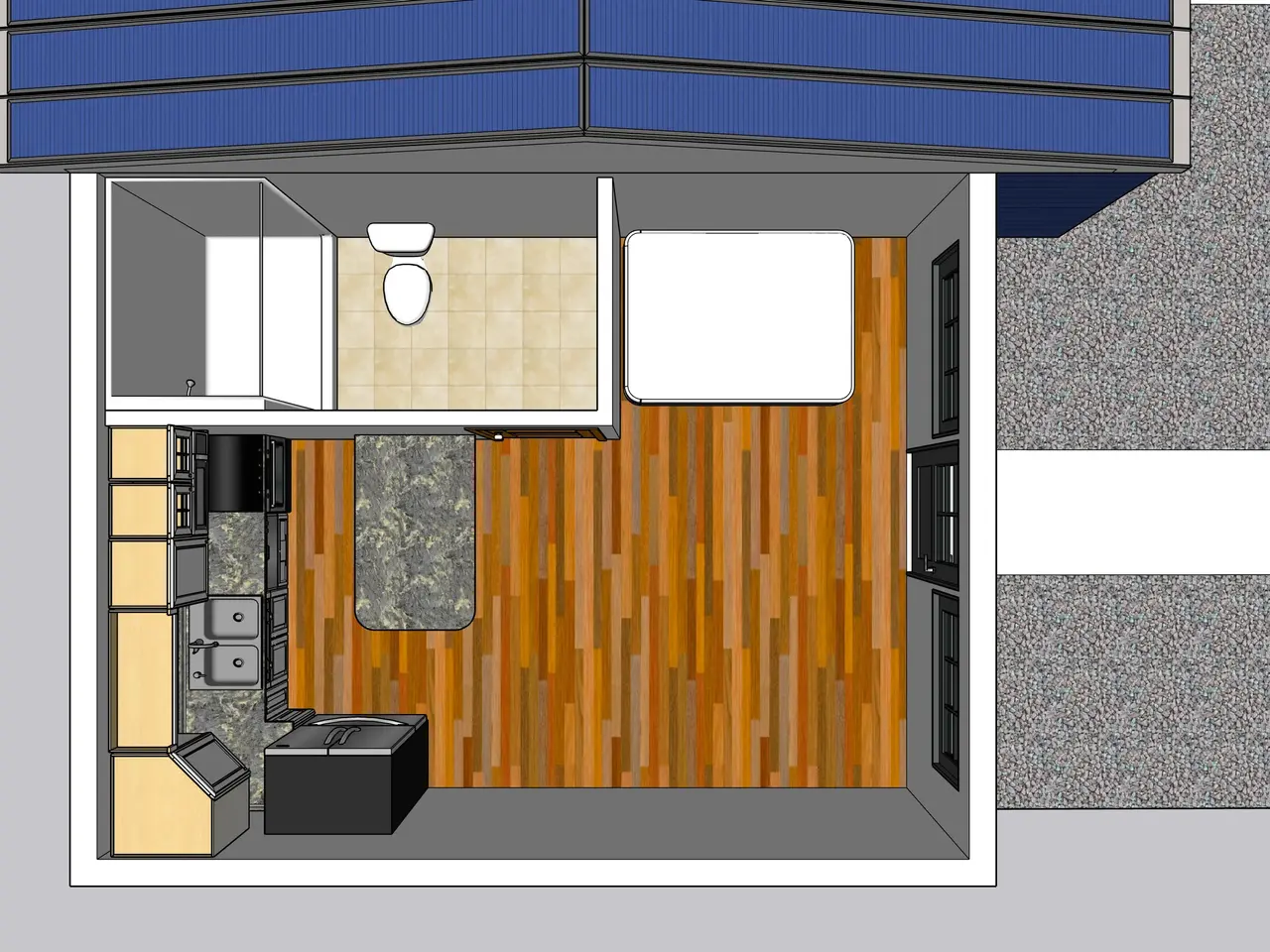
Amber McDaniel chose a tiny house for its promise of simplicity and sustainability. Her 37-square-metre home, shared with her partner, was meant to offer freedom from excess. But the reality has brought unexpected challenges, reshaping her views on space, privacy, and community. McDaniel and her partner moved into their tiny house years ago, inspired by the growing trend in Germany. Since around 2015, tiny homes have shifted from a niche idea to a mainstream lifestyle, fuelled by tourism and sustainability movements. By 2025, camping sites and Airbnb listings featured them as special accommodations, with 44.7 million overnight stays recorded that year. Legal changes, like the 2025 Bauturbo initiative, also sped up approvals for modular settlements, though rules still vary by state.
Living in such a small space soon tested their relationship. The lack of privacy and personal time created tension, while hosting friends became nearly impossible. Guests often ended up in hotels, leaving McDaniel feeling like a burden on others' generosity. She described herself as a 'freeloader', unable to offer the hospitality she once took for granted.
Despite the struggles, McDaniel learned valuable lessons. She mastered creative storage solutions and rethought what truly mattered in daily life. Yet, she now believes a home's real value lies in its ability to bring people together—something her tiny house struggles to provide. McDaniel's experience highlights the trade-offs of tiny house living. While the lifestyle promotes sustainability and minimalism, it can come at a social cost. As Germany's tiny house movement grows, experts predict more approved communities and tourism integration by 2026—but for some, the lack of space remains a lasting challenge.
Read also:
- PCOS-related Gas Buildup: Explanation, Control Strategies, and Further Insights
- Astral Lore and Celestial Arrangements: Defining Terms & In-Depth Insights - Historical Accounts & Glossary of Cosmic Mythology
- "Rural Idyls with Supercars: Astonishing Sites Where Residents Cruise McLarens and Ferraris for Groceries"
- Heartache Explained: Understanding Angina