The Surprising History of '86'—From Soda Fountains to Crime Myths
The term '86' has a long and varied history, stretching from soda fountains to organized crime. While many theories exist about its origins, its earliest recorded use comes from 1930s America. Over time, the phrase took on darker meanings, appearing in crime fiction and mob lore—but not always in the way people assume.
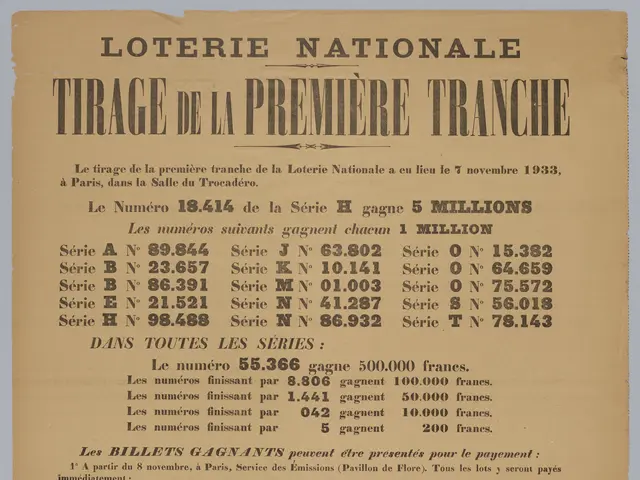
The first known mention of '86' appeared in 1933, when a Hollywood soda jerk used it in a column by Walter Winchell. Three years later, a Columbia University professor confirmed it as soda fountain slang. Back then, it simply meant an item was no longer available or a customer should be refused service.
By 1942, the term had shifted slightly. A Washington Post crime story used '86' to imply someone was fired or finished. Over the following decades, its meaning darkened further. By the 1970s, it had come to signify murder—but contrary to popular belief, this evolution had no ties to the mafia, driving distances, or burial depths.
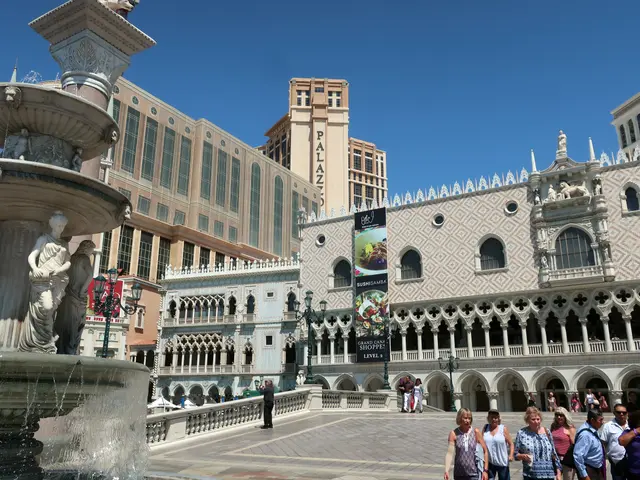
The idea that Las Vegas mobsters buried hundreds of bodies in the desert is also a myth. In reality, organized crime figures avoided killings near the city to protect their casino operations. The 1995 film Casino reinforced the mob connection when Joe Pesci's character was 'eighty-sixed'—a fictionalized version of real-life mobster Anthony Spilotro's fate.
Today, '86' remains in use, though its meaning depends on the context. Bartenders and servers still use it to indicate an item is sold out or a patron should be removed. Meanwhile, its darker associations persist in crime stories and pop culture. Despite the myths, no evidence links the term to mafia hits, desert burials, or coded distances.
Read also:
- Ignorant Youth Unfamiliar with Quebec's Cultural Landscape
- PCOS-related Gas Buildup: Explanation, Control Strategies, and Further Insights
- Astral Lore and Celestial Arrangements: Defining Terms & In-Depth Insights - Historical Accounts & Glossary of Cosmic Mythology
- "Rural Idyls with Supercars: Astonishing Sites Where Residents Cruise McLarens and Ferraris for Groceries"