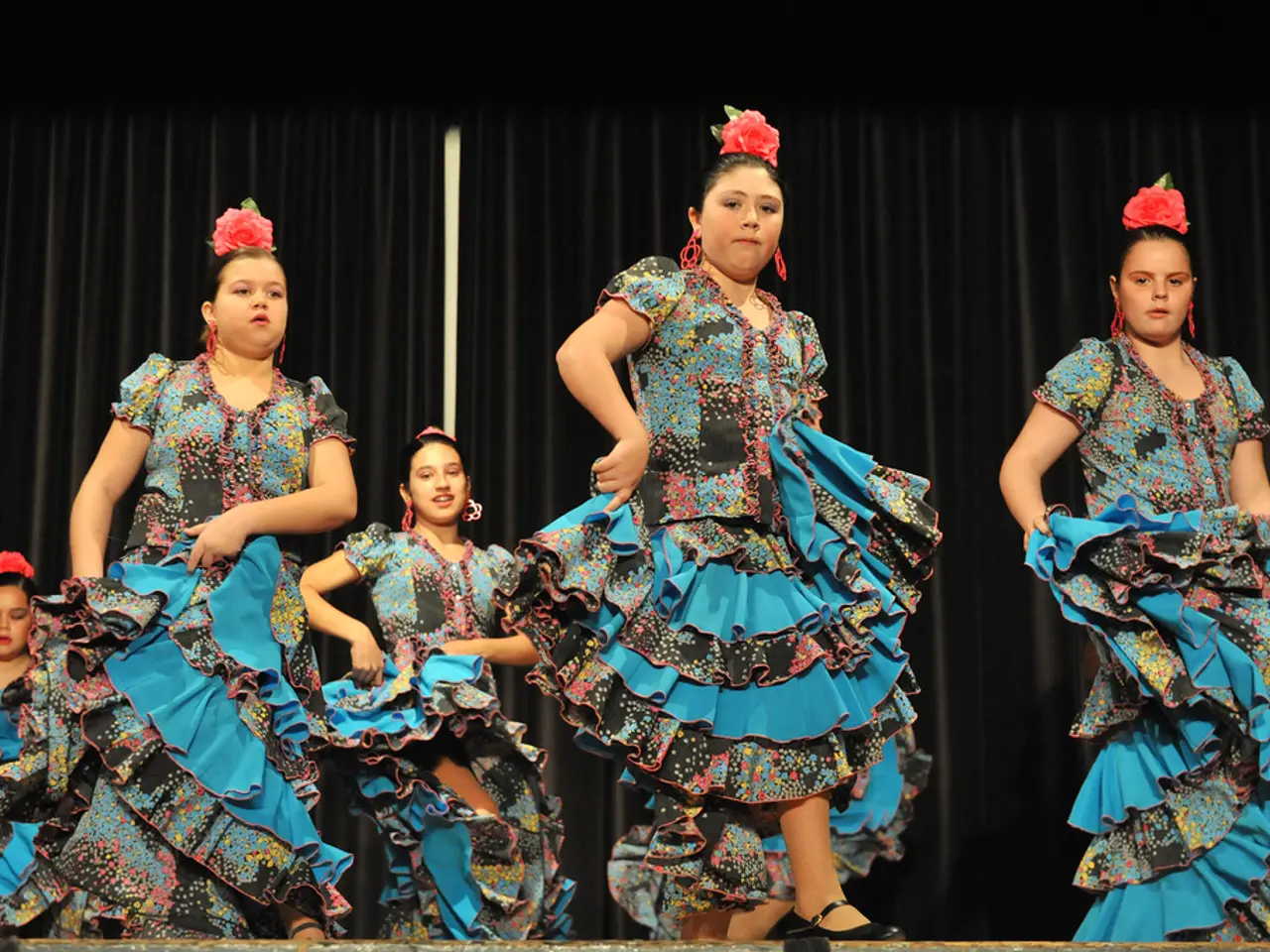
Styles and Society: An Exploration of Fashion's Impact on Modern Culture
In the ever-evolving world of fashion, traditional garments continue to play a significant role in preserving and celebrating cultural identity. From the elegant kimonos of Japan to the vibrant hanboks of Korea, these traditional attire are living expressions of cultural heritage that remain relevant today.
Fashion serves as a powerful platform for showcasing traditional craftsmanship and techniques from different cultures, providing economic opportunities for artisans and promoting awareness about their unique cultural traditions. This is particularly true for indigenous communities, many of whom rely on traditional crafts such as weaving or embroidery as a means of preserving their heritage.
Globalisation has facilitated greater cultural exchange and appreciation for diverse styles in fashion. It has opened up avenues for cross-cultural collaboration and creativity, with traditional textiles like ikat from Indonesia and batik from Africa gaining popularity in international markets. This global exchange not only enriches the fashion industry but also fosters a deeper understanding and appreciation for various cultures.
Fashion is more than just clothing; it is a reflection of culture, history, and identity. It serves as a platform for storytelling and education about different cultures, offering a unique insight into their traditions and values. By embracing diverse influences and promoting inclusivity in design practices, the fashion industry can move towards a more inclusive and respectful approach to cultural exchange.
Moreover, the fashion industry can contribute to the preservation of cultural heritage by supporting local communities and promoting ethical practices such as fair trade and sustainable production methods. This ensures that traditional techniques are preserved and passed down through generations, maintaining the richness and diversity of global style.
The accessibility of international fashion through online platforms has allowed people to explore different cultures and traditions through clothing. This digital revolution has made it easier for people to appreciate and embrace diverse cultural influences, fostering a sense of global community and understanding.
In contemporary fashion designs, traditional clothing from various cultures continues to inspire designers. Unique fabric combinations, distinctive colour themes, and design details that blend tradition with modernity are common elements in today's fashion landscape. This fusion of tradition and innovation emphasises personal expression and cultural heritage, making fashion a vibrant medium for cultural preservation and exchange.
In conclusion, fashion plays a vital role in preserving cultural heritage while celebrating the richness and diversity of global style. By promoting inclusivity, ethical practices, and cross-cultural collaboration, the fashion industry can continue to serve as a powerful platform for cultural exchange and appreciation.
Read also:
- Peptide YY (PYY): Exploring its Role in Appetite Suppression, Intestinal Health, and Cognitive Links
- Toddler Health: Rotavirus Signs, Origins, and Potential Complications
- Digestive issues and heart discomfort: Root causes and associated health conditions
- House Infernos: Deadly Hazards Surpassing the Flames