Spectator's Premium Vantage Point
In the pursuit of a longer, healthier life, many turn to experts for guidance on the best evening routines that could potentially extend their lifespan. This article delves into the world of longevity, focusing on the impact of evening routines on health prospects, particularly for longevity.
Dr. Daniel Holman, a public health researcher at the University of Sheffield's Healthy Lifespan Institute, emphasizes the significance of considering how evening routines can impact our health and longevity. He stresses that following some of the best practices for longevity is better than following none.
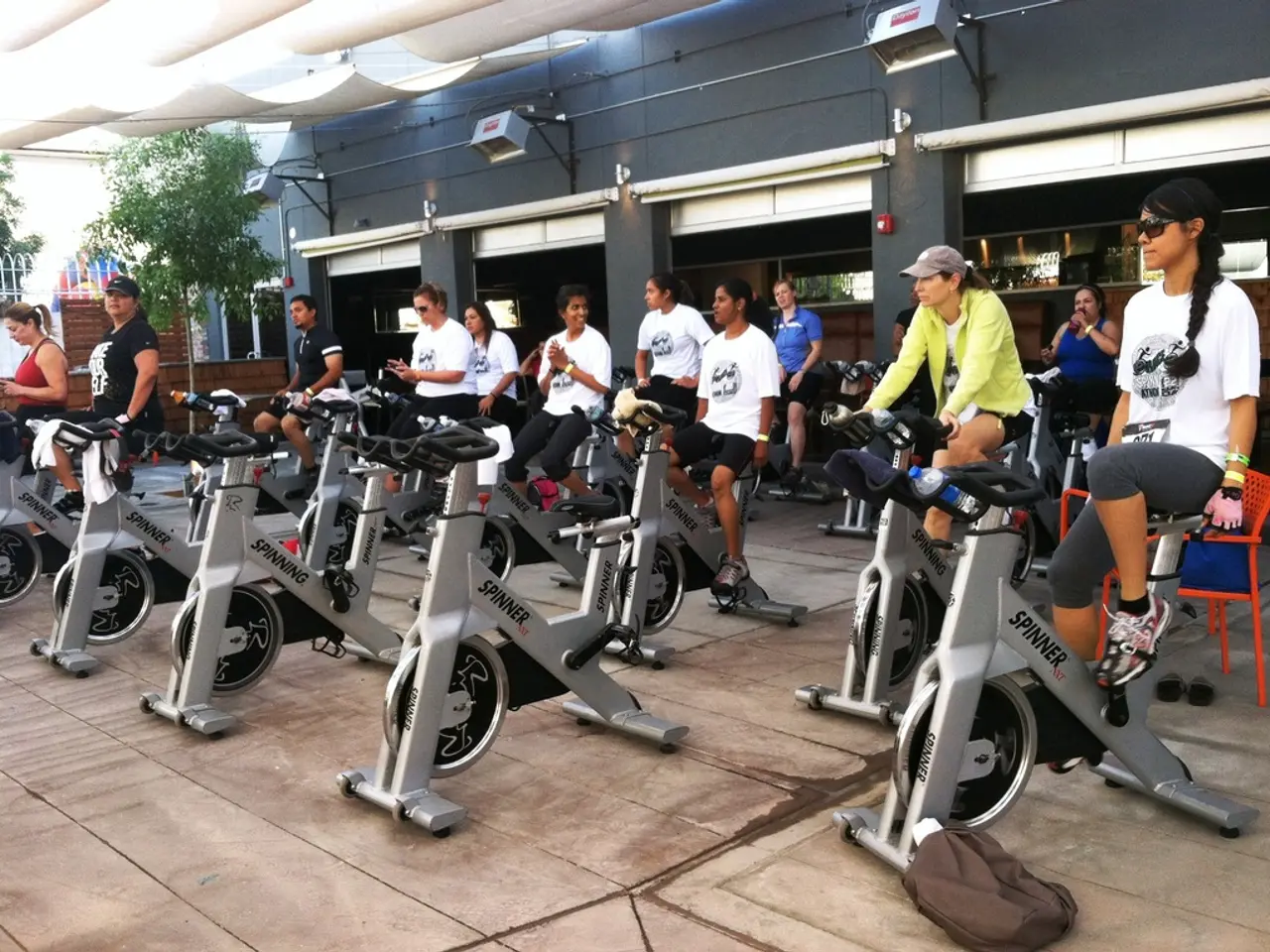
One such practice is managing dinner time. Eating dinner no later than three hours before going to sleep can improve metabolic health, a crucial factor in longevity. However, it's important to note that exercise should ideally be finished at least an hour and a half before bed to avoid interfering with sleep.
Engaging in gentle physical activity in the evening can improve sleep quality, shorten the time it takes to fall asleep, and increase deep sleep. Resistance training, which is harder to build in your 60s, should take precedence in exercise routines. Dr. Richard Faragher, a biogerontology specialist, underscores the importance of both cardio and resistance training for longevity, as they are associated with a 20-30% lower risk of premature death.
Prioritizing sleep practices is one of the most impactful things for improving longevity. The evening hours between work and sleep can significantly influence our health. Valter Longo, director of the Longevity Institute at the University of Southern California, recommends a specific dinner timing, suggesting that evenings spent fully dressed and asleep with half a plate perched on your chest may not be optimal for longevity.
The ease of adopting positive habits for longevity is influenced by daily life, work schedule, living situation, and social norms. The article does not provide specific, universally achievable evening routines for longevity. Instead, it seeks to uncover must-dos and must-don'ts for evenings to improve longevity.
American longevity expert Kien Vuu recommends short, deliberate routines combining movement, breathing, light, and gratitude to reduce stress and potentially extend life. Additionally, research from Harvard on the "Relaxation Response" highlights meditation and mindfulness as practices that activate regenerative genes and reduce inflammation, contributing to slower cellular aging and improved longevity.
In conclusion, the evening hours can play a pivotal role in our health and longevity. By adopting positive habits such as mindful eating, gentle exercise, and prioritizing sleep, we can take a significant step towards a longer, healthier life.
Read also:
- Peptide YY (PYY): Exploring its Role in Appetite Suppression, Intestinal Health, and Cognitive Links
- Toddler Health: Rotavirus Signs, Origins, and Potential Complications
- Digestive issues and heart discomfort: Root causes and associated health conditions
- House Infernos: Deadly Hazards Surpassing the Flames