Scientists Turn Food Waste Into Strong, Biodegradable Plastic Films
Researchers in Australia have turned food waste into strong, biodegradable plastic films. The new material uses avocado peels, stale bread, and sago palm starch to create an eco-friendly alternative. This innovation could help tackle both plastic pollution and the global issue of food waste.
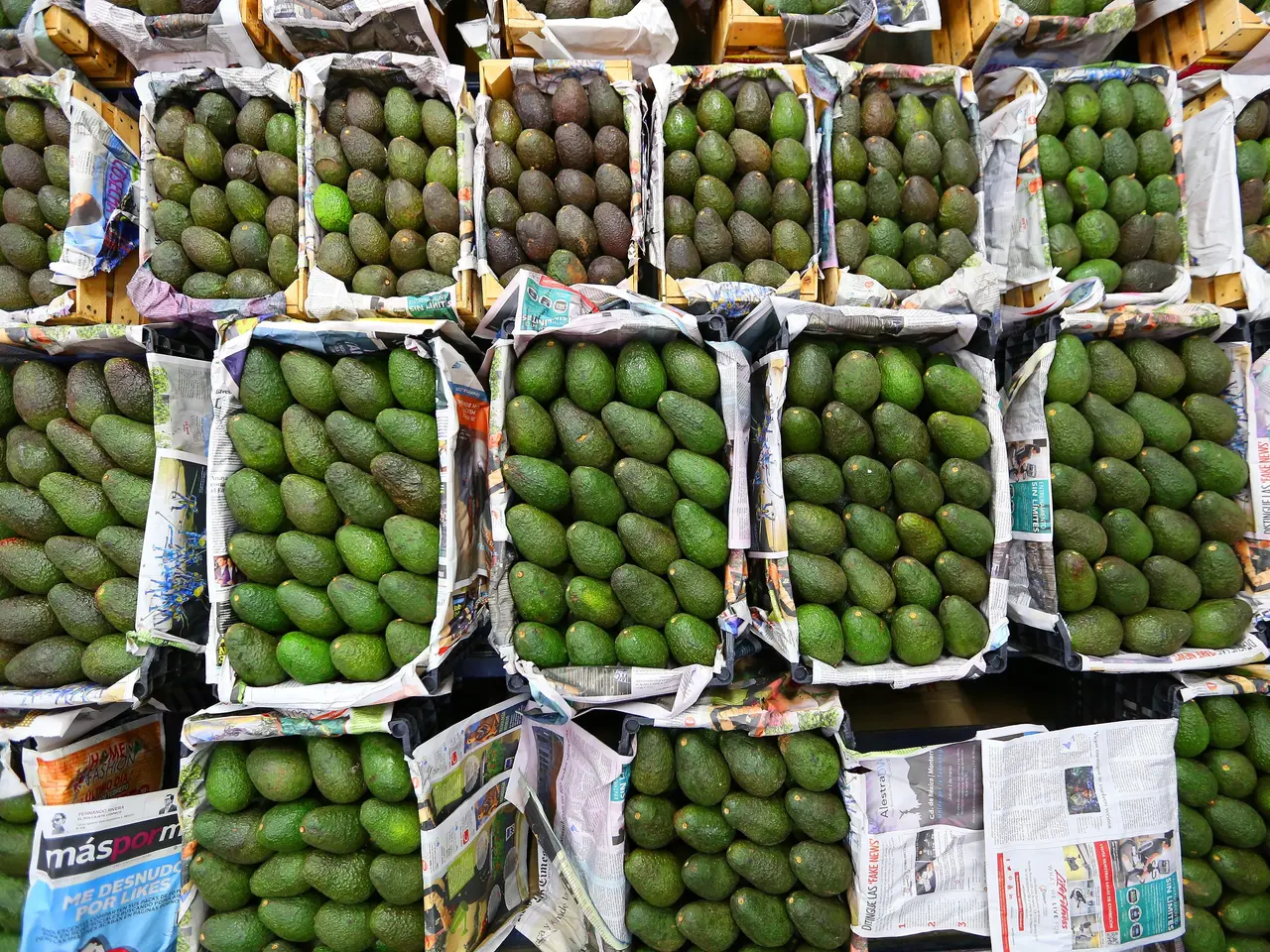
The team had already developed biodegradable films from bread before expanding their method. By adding avocado peels, they improved the material's strength and reduced its permeability to air. The resulting films also showed strong antioxidant and antibacterial properties.
Traditional bioplastics often rely on costly or resource-intensive materials. In contrast, this approach uses underutilised waste, making it both affordable and sustainable. Countries like Germany, France, the UK, China, and Brazil are already advancing in biopolymer production, though large-scale food-waste bioplastics remain rare. Every year, roughly one-third of all food produced worldwide ends up wasted. Converting this waste into bioplastics could provide a practical solution for industries like food packaging, medicine, and environmental protection.
The new bioplastic films offer a way to cut down on plastic waste while repurposing discarded food. Their strength, barrier properties, and antimicrobial effects make them suitable for various applications. If scaled up, this method could reduce reliance on conventional plastics and lower food waste globally.
Read also:
- Ignorant Youth Unfamiliar with Quebec's Cultural Landscape
- PCOS-related Gas Buildup: Explanation, Control Strategies, and Further Insights
- Astral Lore and Celestial Arrangements: Defining Terms & In-Depth Insights - Historical Accounts & Glossary of Cosmic Mythology
- "Rural Idyls with Supercars: Astonishing Sites Where Residents Cruise McLarens and Ferraris for Groceries"