Scientists reveal how calorie deficit rejuvenates ageing stem cells in blood
A new study in Nature Communications has uncovered how calorie deficit (CR) may slow the ageing process in blood-forming stem cells. Researchers identified two key factors, KDR and PU.1, that play a central role in shaping the genetic activity of ageing hematopoietic stem cells (HSCs). The findings suggest that targeting these proteins could one day replicate the anti-ageing benefits of dieting.
The work highlights how metabolic changes influence gene expression, offering fresh insights into maintaining stem cell function over time.
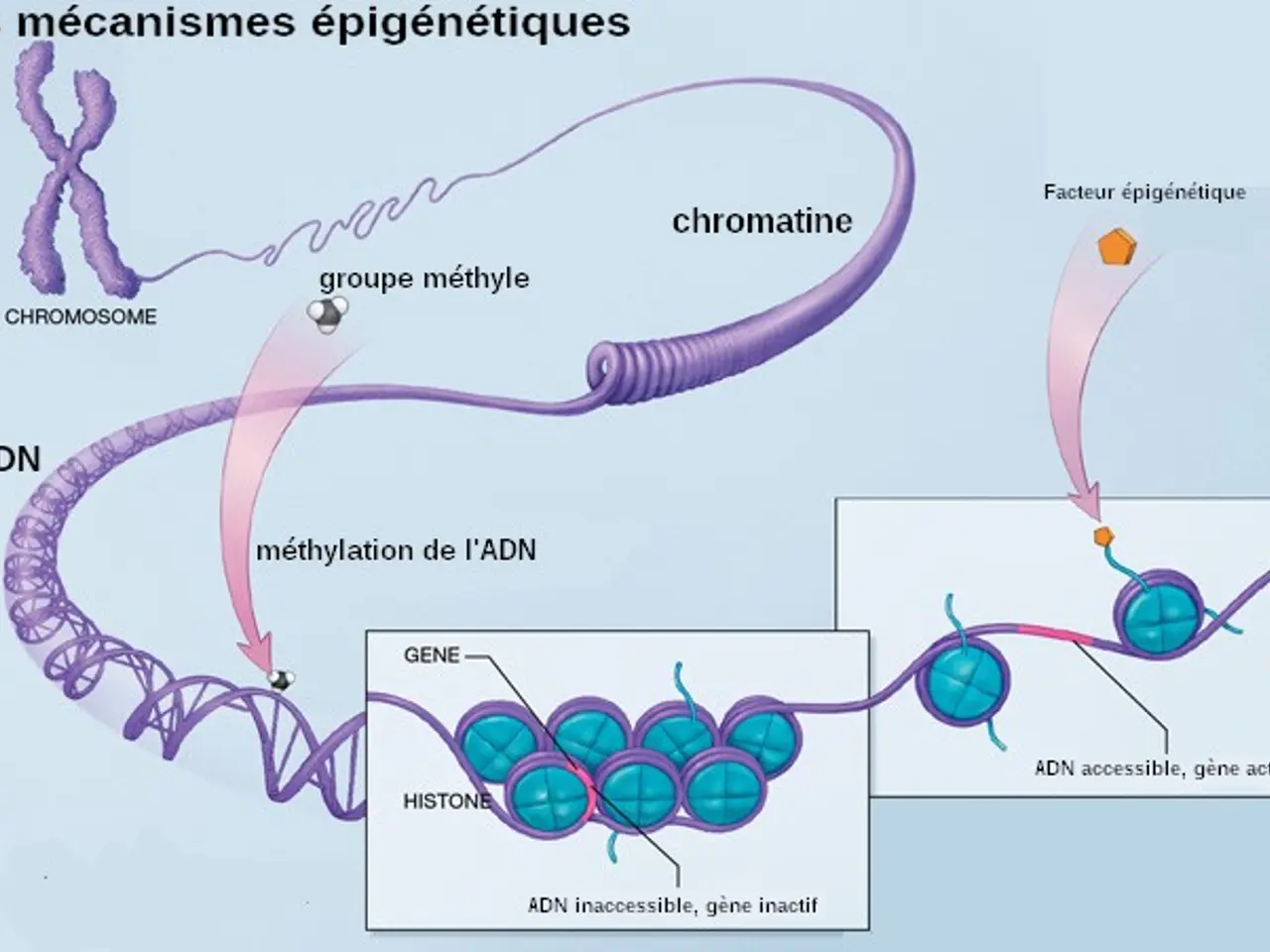
Using advanced single-cell techniques, the team observed that ageing triggers a shift in HSCs towards a more repressive chromatin state. This change restricts access to genes essential for stem cell maintenance, gradually impairing their function. However, calorie deficit appeared to counteract some of these epigenetic alterations, helping preserve a more youthful genomic structure.
The study pinpointed KDR and PU.1 as critical regulators of this process. These proteins, already known for their roles in blood cell development, were found to mediate how metabolic signals—like those from CR—reshape gene activity in ageing HSCs. Genomic regions where KDR and PU.1 bind remained more accessible under calorie deficit, reinforcing their importance.
Further experiments showed that disrupting the KDR-PU.1 axis in lab-grown stem cells altered the expression of genes linked to ageing. This suggests the pathway could serve as a therapeutic target, potentially mimicking the benefits of calorie deficit without strict dietary changes.
While the research did not identify specific epigenetic markers tied to ageing, it demonstrated how DNA methylation and chromatin accessibility shift with age. These changes reshape the genetic networks that define HSC function, offering a clearer picture of how metabolism and epigenetics interact during ageing.
The findings underscore the potential of targeting KDR and PU.1 to delay stem cell ageing. By preserving a more youthful epigenomic state, such interventions could improve blood cell production in older adults. The study opens new avenues for therapies that replicate the effects of calorie deficit, though further research will be needed to translate these discoveries into clinical applications.
Read also:
- Ignorant Youth Unfamiliar with Quebec's Cultural Landscape
- PCOS-related Gas Buildup: Explanation, Control Strategies, and Further Insights
- Astral Lore and Celestial Arrangements: Defining Terms & In-Depth Insights - Historical Accounts & Glossary of Cosmic Mythology
- "Rural Idyls with Supercars: Astonishing Sites Where Residents Cruise McLarens and Ferraris for Groceries"