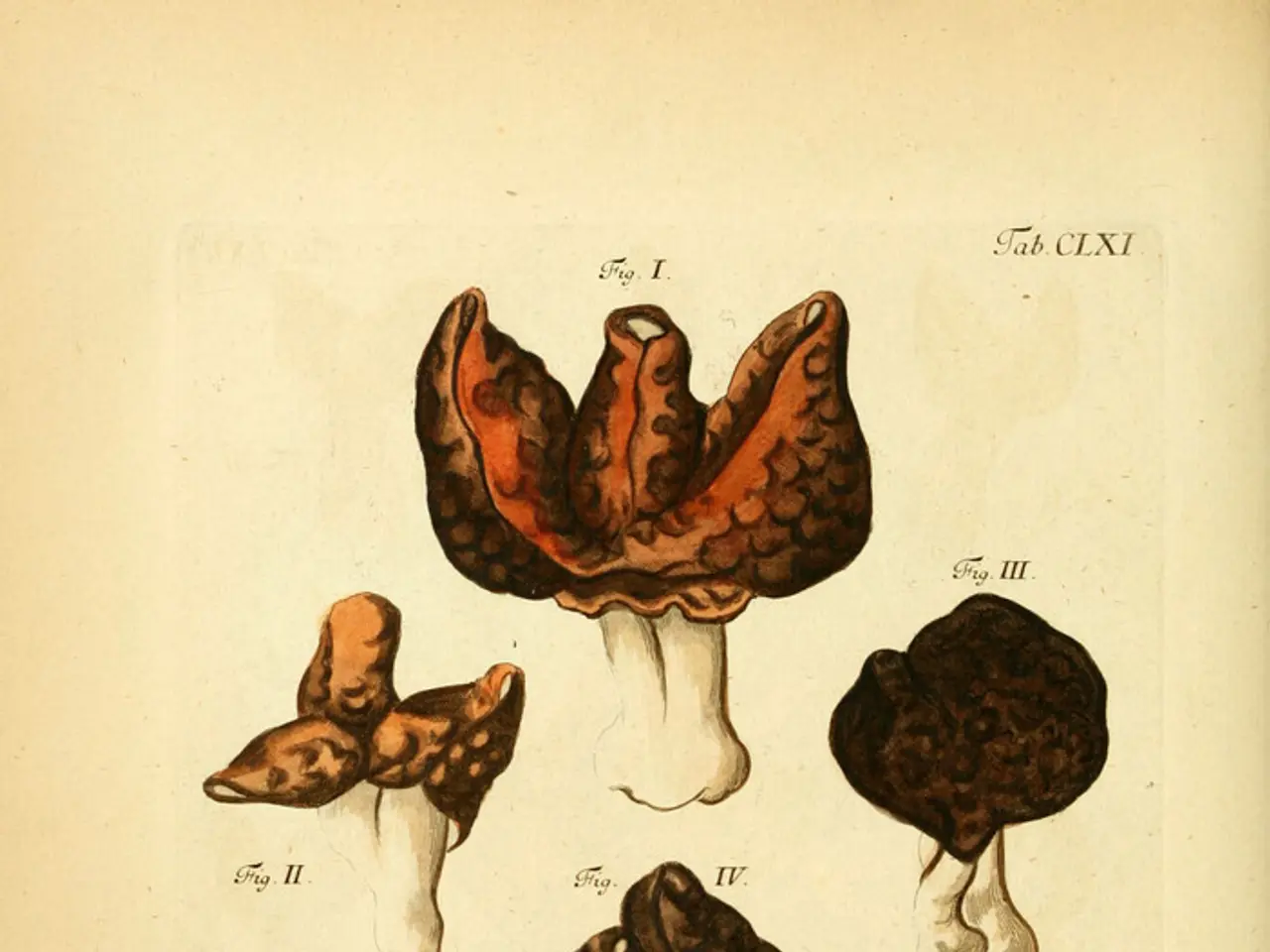
Russians Warned: Harsh Consequences for Gathering Specific Mushroom Species
According to a report by civil law attorney Alla Georgieva, as cited by "Izvestia," the collection, destruction, or possession of certain mushrooms in Russia can lead to fines or even criminal penalties. The authority responsible for imposing these fines and penalties is typically the environmental protection agency or forestry service, such as the Federal Forestry Agency (Rosleskhoz) and regional environmental enforcement bodies.
Russians aged 16 and above can face fines ranging from 2,000 to 5,000 rubles for destroying rare and endangered mushrooms. Legal entities can be fined from 300,000 to 1,000,000 rubles for similar actions. The action of "cutting the stem" of a mushroom, as referred to by Alla Georgieva, is included in these penalties.
Criminal liability applies to especially valuable species of mushrooms, those listed in the Red Book, protected by international treaties, or narcotic and psychotropic mushrooms. This liability can result in penalties such as corrective or compulsory labor, mandatory labor up to 480 hours, and imprisonment up to four years.
The collection of a large quantity of protected mushrooms can incur criminal penalties. Notable species included in this list are the common earthball, red webcap, alpine coral, and certain types of fly agaric.
It is important to note that the reported information does not mention any specific impact on the honey industry due to these penalties. Additionally, the expert, Alla Georgieva, did not mention a honey shortage in the reported information.
The Red Book refers to a list of protected species in Russia. The collection, destruction, or possession of these protected species can lead to both administrative and criminal liability. Administrative liability applies to the destruction of rare and endangered mushrooms, while criminal liability applies to the collection of 200+ protected mushroom species.
In conclusion, it is crucial for individuals and legal entities in Russia to be aware of the penalties associated with the collection, destruction, or possession of protected mushrooms. These penalties can range from fines to imprisonment, depending on the circumstances and the specific species involved.
Read also:
- Peptide YY (PYY): Exploring its Role in Appetite Suppression, Intestinal Health, and Cognitive Links
- Toddler Health: Rotavirus Signs, Origins, and Potential Complications
- Digestive issues and heart discomfort: Root causes and associated health conditions
- House Infernos: Deadly Hazards Surpassing the Flames