Rising cases of flesh-eating bacteria are attributed to climate change by scientific experts
In recent months, the East Coast has seen a surge in cases of Vibrio vulnificus, a flesh-eating bacteria that naturally occurs and thrives in coastal waters during warmer months. This bacterium, which is often found in brackish waters, has been causing concern among health authorities and scientists alike.
The warming of ocean waters, a result of climate change, has been linked to the increasing prevalence of Vibrio vulnificus. In Massachusetts coastal areas, health authorities have warned about the presence of this bacterium, especially in warmer waters around Cape Cod. This warning comes after a spate of recent Vibrio vulnificus cases, with at least 71 cases confirmed in the state this year, resulting in a 30% hospitalization rate and no reported deaths.
Similarly, Louisiana has seen a spike in Vibrio vulnificus cases this season. By the end of July, there were 17 hospitalizations and 4 deaths among residents, more than double what they typically see. Linard Lyons, a fisherman from a village southwest of New Orleans, is one such victim. He spent the morning preparing crab traps but soon noticed a small scratch on his leg. Days later, he discovered blackening sores and was sent to the emergency room, where he underwent surgery.
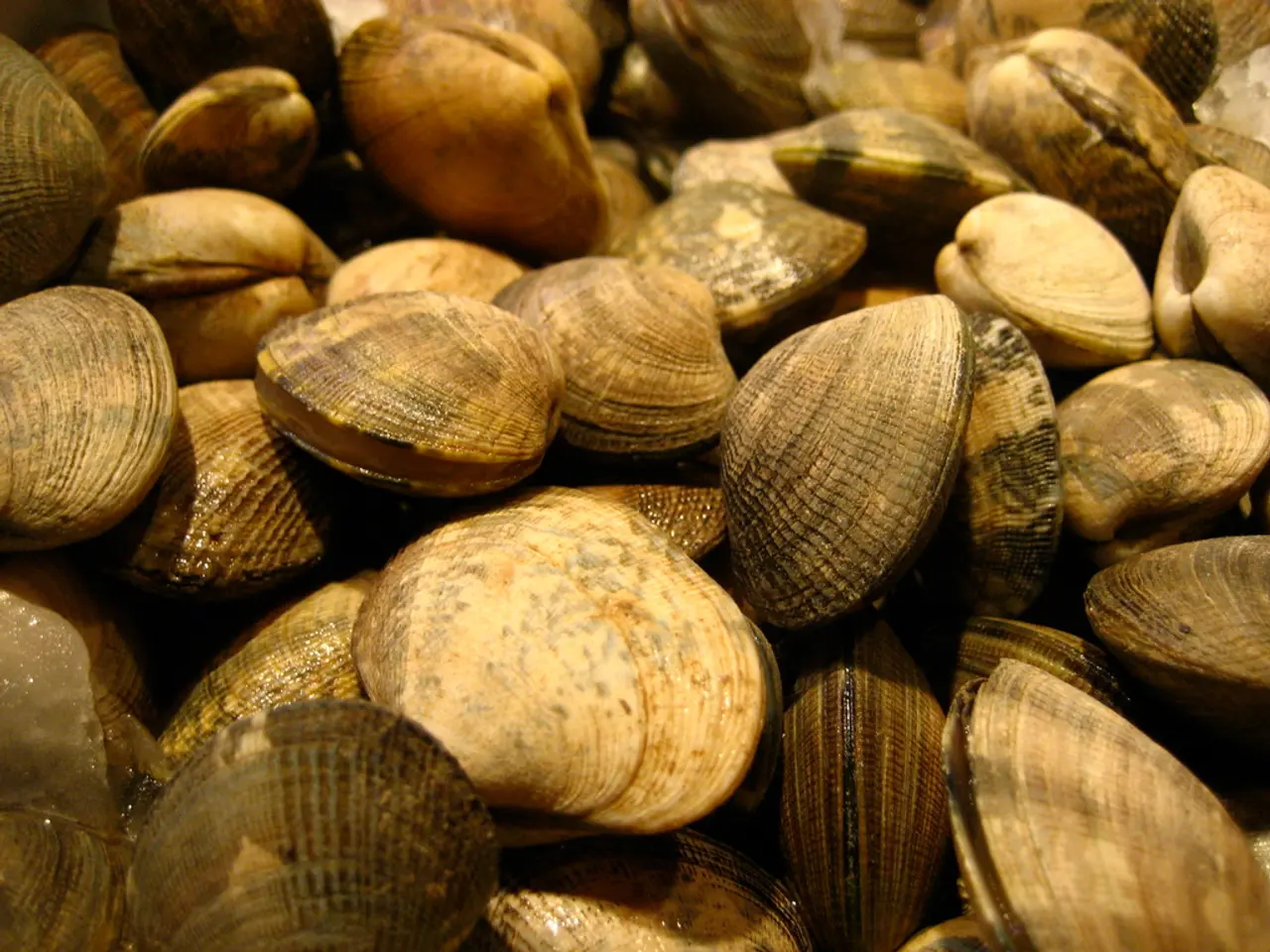
Vibrio vulnificus can also be contracted by consuming raw or undercooked shellfish. However, the majority of cases are attributed to direct contact with contaminated water. People with weakened immune systems have a higher risk of contracting this infection.
Scientists link this trend to climate change, as warmer oceans and rising sea levels create more favorable conditions for Vibrio vulnificus. Dr. Rachel Noble, a professor at the University of North Carolina at Chapel Hill, warns that the increased prevalence of Vibrio vulnificus is a "complexity of issues related to climate change" and is being "repeated globally."
The CDC states that many people with Vibrio vulnificus infection can get seriously ill, requiring intensive care or limb amputation, and about 1 in 5 people with this infection die. This bacterium has been causing concern along the East Coast, with an 800% increase from 1988 to 2018, according to the CDC.
The rise in cases has been particularly noticeable in states like North Carolina, where cases have increased 620% over the past 10 years, and New York, where they have more than tripled. Even in states like Massachusetts, Vibrio vulnificus is being found farther north as water temperatures rise, with an "extremely rare" case reported near Martha's Vineyard.
As the climate continues to change, it is likely that the prevalence of Vibrio vulnificus will continue to rise, posing a significant threat to public health along the East Coast. It is crucial for individuals to be aware of the risks and take precautions when spending time in coastal waters.
Read also:
- Peptide YY (PYY): Exploring its Role in Appetite Suppression, Intestinal Health, and Cognitive Links
- Toddler Health: Rotavirus Signs, Origins, and Potential Complications
- Digestive issues and heart discomfort: Root causes and associated health conditions
- House Infernos: Deadly Hazards Surpassing the Flames