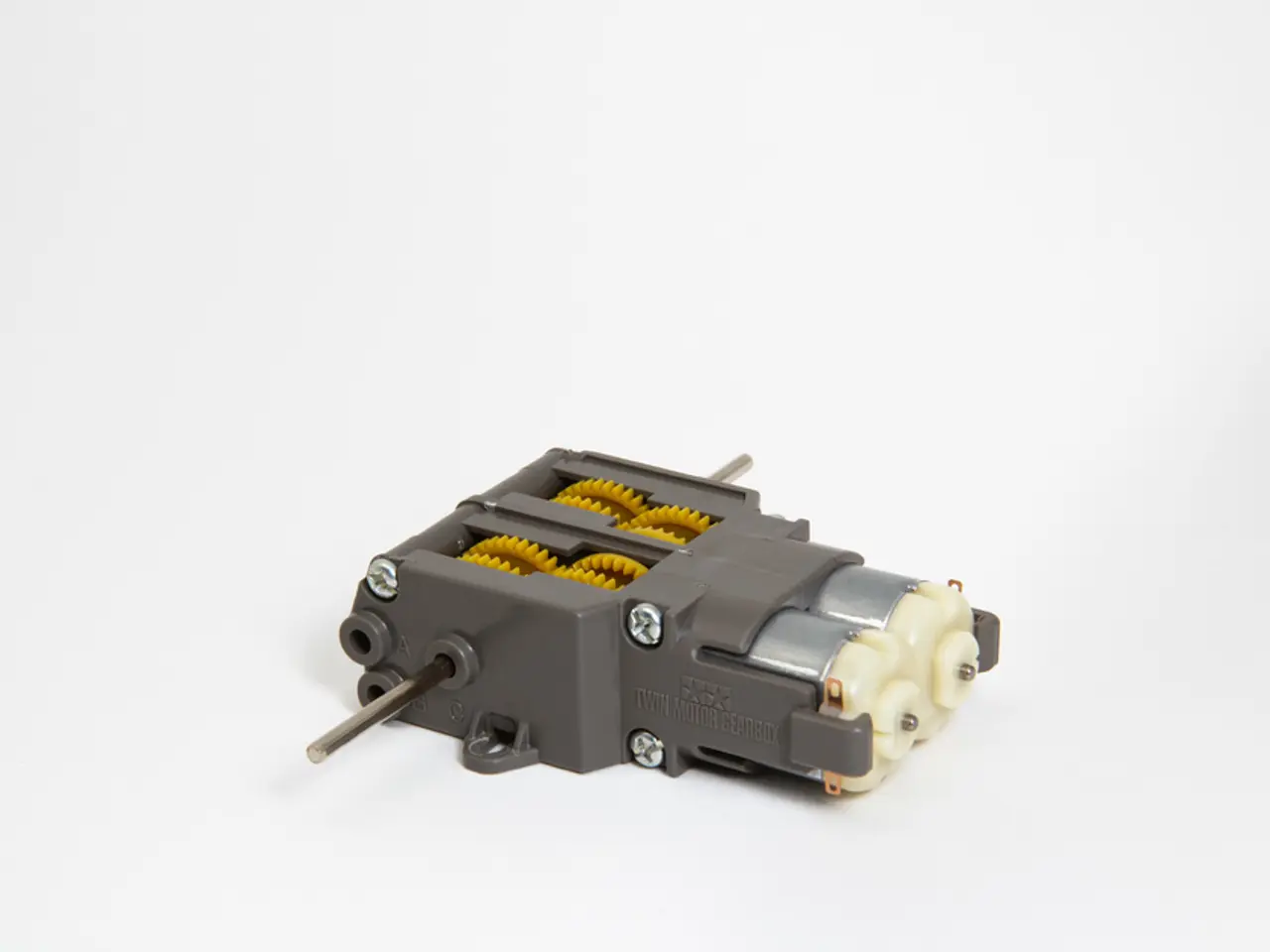
Revolutionizing Performance: The Groundbreaking Role of Magnetic Motors in Current Technology
Magnetic motors, a promising alternative to traditional electric motors, are making waves in the engineering world. These innovative devices, which rely on the principles of electromagnetism to rotate, present significant engineering challenges, particularly in the precise design and engineering of magnetic fields and the control of AC currents.
To function effectively, magnetic motors require alternating current. At the heart of these motors, neodymium magnets are often used to create a stable magnetic field. This sturdy core, combined with the absence of rotating mechanical parts like brushes or ball bearings, makes magnetic motors a more efficient and eco-friendly choice.
Magnetic motors come in various forms, such as synchronous motors, induction motors, and hybrid motors. One of the most intriguing potential applications of these motors is in industries like automotive, consumer electronics, and industrial machinery. By adopting magnetic motors, manufacturers could significantly reduce operational costs while increasing precision and efficiency.
In the automobile industry, magnetic motors could revolutionize electric vehicles (EVs) by offering more compact, efficient, and high-performance motors for powertrains. This shift could lead to cost savings for manufacturers and consumers, drive innovation in production techniques, and create new market opportunities, ultimately affecting global economic structures positively.
In household appliances, magnetic motor technologies could improve energy efficiency and reduce maintenance needs. The elimination of mechanical friction in magnetic motors results in lower energy waste and a smaller carbon footprint. Transitioning to magnetic motors could substantially reduce environmental impact and lower operational costs.
However, the initial costs related to materials and production processes are higher compared to conventional technologies. The main developers of magnetic motors include independent inventors and small companies exploring magnetic propulsion, but no major manufacturer has produced commercially viable magnetic motors; research has remained niche with limited technological breakthroughs in recent years.
Despite these challenges, with rapid progress in materials science, computing power, and smart control systems, magnetic motor technologies are expected to evolve significantly over the coming years. Ensuring the long-term durability and reliability of magnetic motors is crucial but can be a costly endeavor.
Widespread adoption of magnetic motors could lead to significant cost savings for manufacturers and consumers, drive innovation in production techniques, and create new market opportunities, ultimately affecting global economic structures positively. The potential for magnetic motors to revolutionize transportation, industrial machinery, and household appliances offers more efficient and eco-friendly alternatives, making them an exciting development in the world of engineering.
Read also:
- Peptide YY (PYY): Exploring its Role in Appetite Suppression, Intestinal Health, and Cognitive Links
- Toddler Health: Rotavirus Signs, Origins, and Potential Complications
- Digestive issues and heart discomfort: Root causes and associated health conditions
- House Infernos: Deadly Hazards Surpassing the Flames