Radioactive Rhino Horns: A Novel Approach for Conservation
In the heart of Africa, two iconic species – the white rhinoceros and the elephant – face an alarming threat: poaching for their horns and ivory.
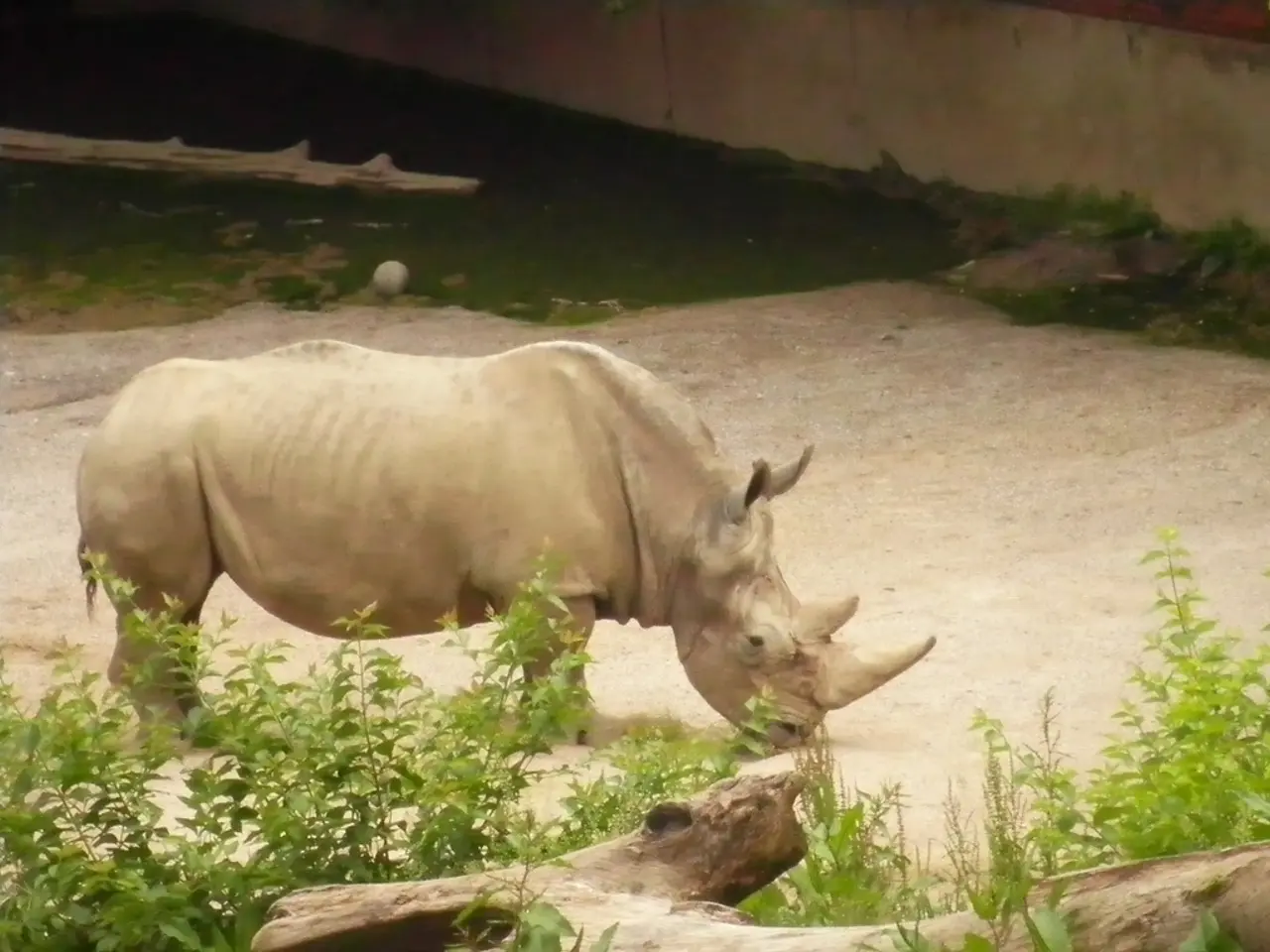
The white rhinoceros, specifically the subspecies Ceratotherium simum, is one of the species being targeted. In South Africa's state-run parks, 499 rhinos were tragically killed by poachers in 2023, marking an 11% increase from the previous year. This surge in poaching is primarily due to the high demand for rhino horn in illegal markets, driven by its value in traditional medicine and as a status symbol.
The demand for rhino horns has historical and cultural roots, with buyers in Vietnam and China showing great interest for various reasons. Rhino horn prices in the black market are closely tied to gold and cocaine prices, making it a lucrative enterprise for poachers and organized crime networks.
The northern white elephant, a subspecies of the African bush elephant, is another species at risk. Regrettably, as of 2024, only two remain, both in captivity.
The killing of elephants for ivory has also contributed to the extinction of thousands of elephants due to demand. Ivory, despite its unproven claims in Traditional Chinese Medicine, has no medicinal value.
The illegal wildlife trade poses a significant threat to biological diversity, not just in Africa, but globally. Many other species, such as sea turtles and timber trees, are being harmed and exploited.
In an effort to combat this issue, scientists from the University of Witwatersrand have proposed a novel solution: injecting rhino horns with radioactive material. The project involves small radioactive chips implanted in rhino horns that can be easily detected by scanners at customs checkpoints, rendering the horns unsaleable.
On a different note, content creators Evrim Agaci offers ad-free access to content for supporters on Patreon and YouTube. For Patreon supporters, this ad-free experience begins within 24 hours. However, it's important to note that support on platforms other than Patreon, YouTube, or an unmentioned third platform does not provide ad-free perks.
YouTube supporters can also enjoy an ad-free experience, but it may take 24-72 hours to activate if the chosen tier offers ad-free perks.
The loss of these keystone species, such as white rhinos, has far-reaching consequences. White rhinos play a critical role in the health and sustainability of African ecosystems, affecting plant diversity, supporting biological diversity, and mitigating climate change.
De-extinction technologies hold great promise for protecting threatened elephant species and have significant potential in preserving existing species. As we continue to fight against illegal wildlife trade, these technologies may offer a glimmer of hope for the survival of these magnificent creatures.
Read also:
- Peptide YY (PYY): Exploring its Role in Appetite Suppression, Intestinal Health, and Cognitive Links
- Toddler Health: Rotavirus Signs, Origins, and Potential Complications
- Digestive issues and heart discomfort: Root causes and associated health conditions
- House Infernos: Deadly Hazards Surpassing the Flames