Pregnant Casino Worker Denied Transfer Over Indoor Smoking Risks
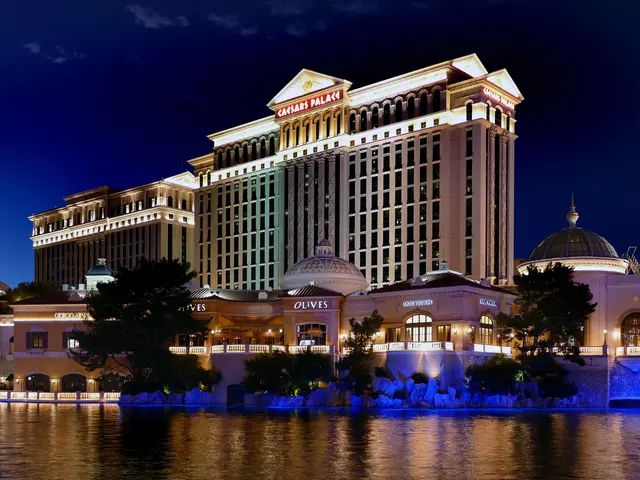
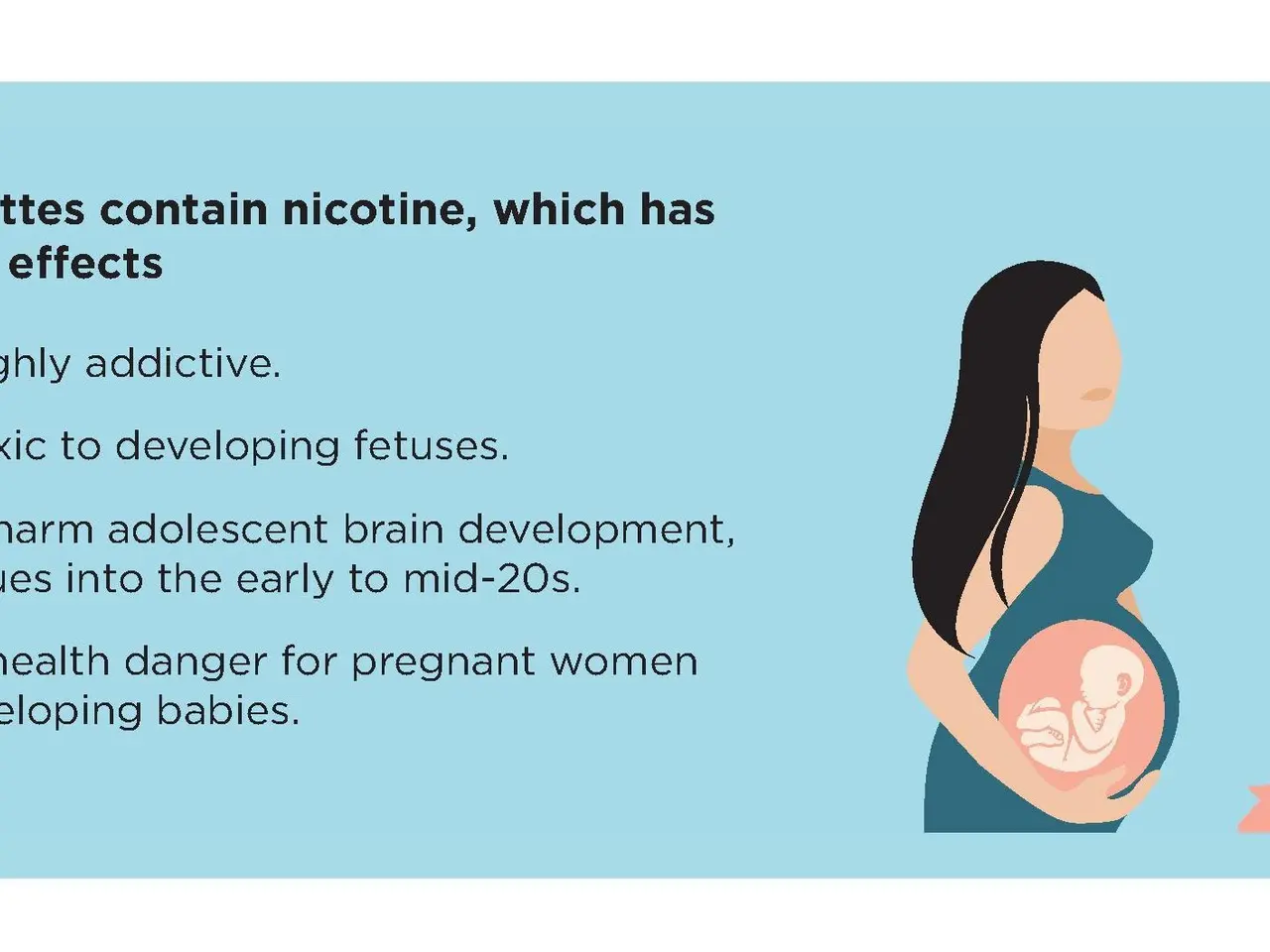
A dispute over indoor smoking in Atlantic City casinos has intensified after a pregnant worker was refused a transfer to a non-smoking area. Casino Employees Against Smoking Effects (CEASE) has accused Bally's Casino of failing to protect employees from second-hand smoke. The group claims this is part of a wider problem affecting thousands of workers in New Jersey's gambling industry. The incident involved a pregnant employee at Bally's Casino who requested reassignment to avoid smoke exposure. Management denied her request, prompting sharp criticism from CEASE co-founder Nicole Vitola. She argued that forcing pregnant women to choose between health and income highlights a systemic failure in worker protections.
New Jersey law generally bans indoor smoking but permits designated smoking zones in certain venues, including casinos. Casino operators have resisted stricter rules, warning that smoke-free policies could reduce revenue. Despite this, CEASE continues pushing for a total ban on indoor smoking in gambling establishments.
The group has so far struggled to gain legal traction. A recent attempt to persuade the NJ Superior Court to address workers' concerns was unsuccessful. Now, CEASE is turning to local lawmakers in hopes of securing support for stricter regulations.
Vitola insists the issue extends beyond one worker or casino. She estimates tens of thousands of employees and their families remain at risk due to ongoing indoor smoking. While many patrons and staff prefer smoke-free environments, some businesses remain reluctant to change their policies. The conflict underscores the tension between public health and business interests in Atlantic City. CEASE's campaign for smoke-free casinos faces resistance from operators who fear financial losses. For now, the debate continues as workers and advocates push for stronger protections in the workplace.
Read also:
- Ignorant Youth Unfamiliar with Quebec's Cultural Landscape
- PCOS-related Gas Buildup: Explanation, Control Strategies, and Further Insights
- Astral Lore and Celestial Arrangements: Defining Terms & In-Depth Insights - Historical Accounts & Glossary of Cosmic Mythology
- "Rural Idyls with Supercars: Astonishing Sites Where Residents Cruise McLarens and Ferraris for Groceries"