Nuclear energy breakthroughs reshape clean power and waste management globally
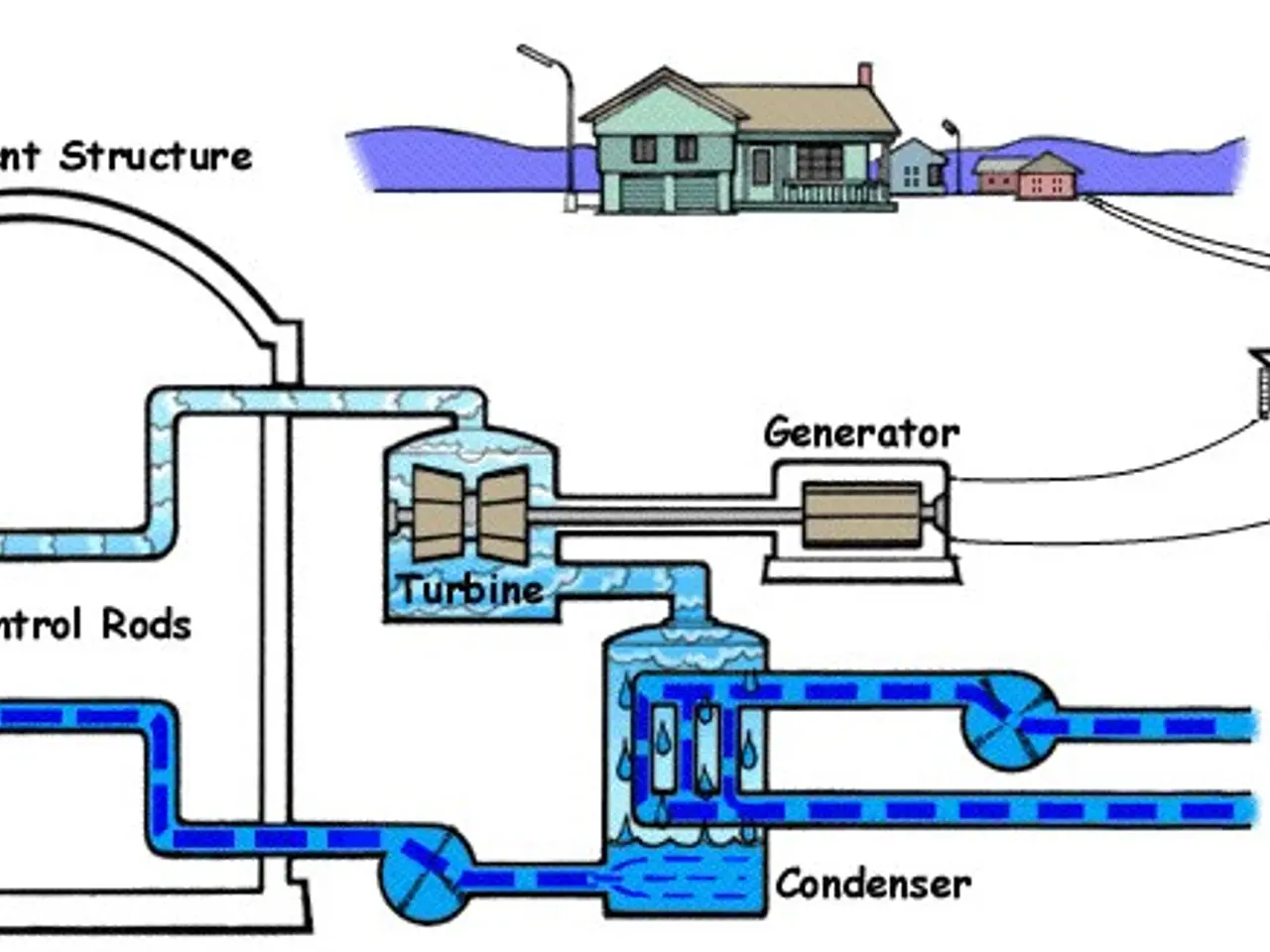
Nuclear energy has seen several key developments in recent weeks. For the first time, steel from the Chernobyl disaster has been decontaminated and cleared for reuse. Meanwhile, new reactor projects in the US and UK are moving forward with major industry partnerships. A Chinese experimental reactor has successfully converted thorium-uranium fuel in a molten salt design. This marks a milestone in alternative nuclear fuel research. The process could eventually reduce reliance on traditional uranium.
In the UK, engineering firm BWXT will supply steam generators for Rolls-Royce's small modular reactor (SMR). The deal supports the ongoing development of compact nuclear power plants designed for easier deployment. Across the Atlantic, Brookfield and Cameco have partnered with the US government to deploy AP1000 reactors. These advanced pressurised water reactors are part of a push to expand clean energy infrastructure. The collaboration aims to accelerate reactor construction timelines. Separately, Ukrainian authorities have released the first batch of decontaminated steel from the Chernobyl exclusion zone. The material, once part of the disaster site, has undergone rigorous cleaning and testing. It will now be repurposed for industrial use.
These advancements highlight ongoing efforts to modernise nuclear technology. The reuse of Chernobyl steel demonstrates progress in waste management, while new reactor designs in China, the UK, and the US signal a push for safer and more efficient energy solutions. Each project moves closer to practical implementation.
Read also:
- Peptide YY (PYY): Exploring its Role in Appetite Suppression, Intestinal Health, and Cognitive Links
- Ignorant Youth Unfamiliar with Quebec's Cultural Landscape
- PCOS-related Gas Buildup: Explanation, Control Strategies, and Further Insights
- Astral Lore and Celestial Arrangements: Defining Terms & In-Depth Insights - Historical Accounts & Glossary of Cosmic Mythology