New Jersey's Casino Tax Dispute Threatens PILOT Program Extension
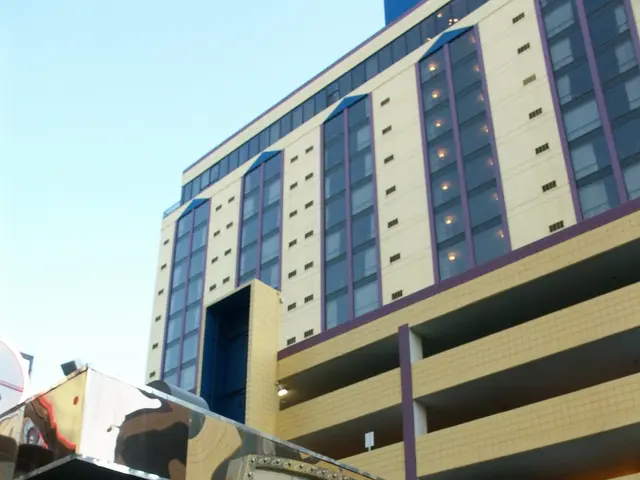
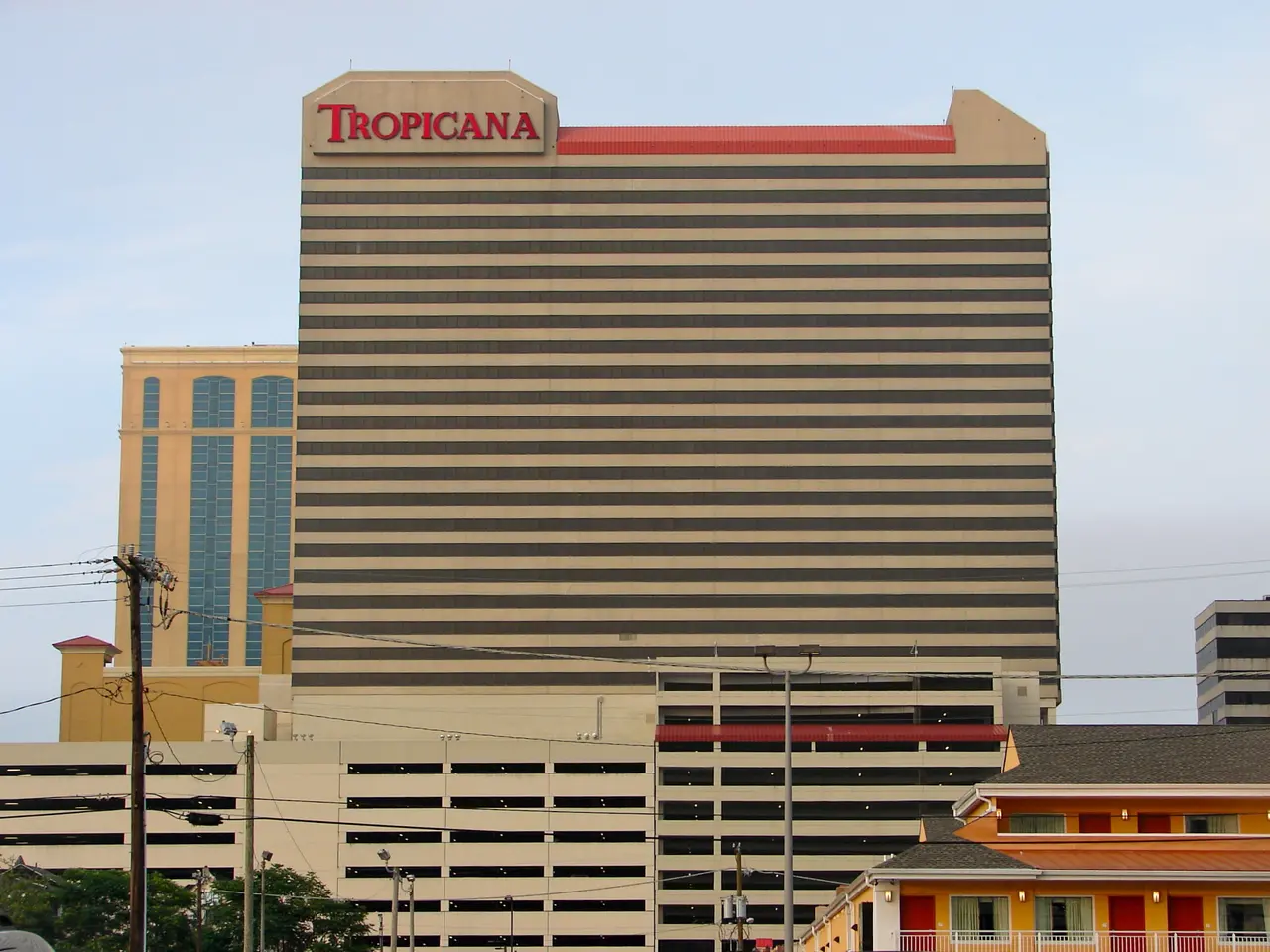
A dispute over casino taxes in New Jersey has stalled negotiations on extending a key payment scheme. Atlantic County's executive, Dennis Levinson, wants to scrap the PILOT program, arguing it unfairly favours casinos over local residents. Meanwhile, a proposed tax hike on online gaming has already led to a sharp drop in revenue. The PILOT program, which guarantees timely tax payments from Atlantic City casinos, is set to expire at the end of 2026. Under the scheme, casinos pay property taxes based on the previous year's gaming revenue. But Levinson has criticised the system, questioning why other states with casinos manage without such a program.
Talks to extend PILOT have ground to a halt. State lawmakers and Governor Phil Murphy (D) paused discussions after Murphy proposed raising taxes on iGaming and online sportsbooks to 25% in his record $58.05 billion budget. The tax increase, due in January 2026, has already had an impact: iGaming and sports betting revenue fell by 12% in Q1 2026 compared to the same period last year. iGaming revenue dropped 18%, from $186 million to $152 million, while sports betting fell 8%, from $205 million to $189 million.
Atlantic County is also challenging a 2021 state decision that removed iGaming and online sports betting revenue from property tax calculations. Levinson has tried to engage with State Sen. Vince Polistina (R-Atlantic), who supports extending PILOT but opposes the online gaming tax hike. So far, communication between the two has failed, leaving the future of the program uncertain. The deadlock means the PILOT scheme remains in limbo as its expiration date approaches. Without an agreement, Atlantic County and the state must find another way to fund local services. The tax hike's early effects suggest further revenue declines could follow if no resolution is reached.
Read also:
- Ignorant Youth Unfamiliar with Quebec's Cultural Landscape
- PCOS-related Gas Buildup: Explanation, Control Strategies, and Further Insights
- Astral Lore and Celestial Arrangements: Defining Terms & In-Depth Insights - Historical Accounts & Glossary of Cosmic Mythology
- "Rural Idyls with Supercars: Astonishing Sites Where Residents Cruise McLarens and Ferraris for Groceries"