NASCAR Monetary Rewards Explained
NASCAR's Charter System: A New Era for Team Ownership
NASCAR's charter system, introduced in 2016, has brought a significant change to the way prize money is distributed among teams. The system, designed to create long-term value for team ownership, consists of 36 ownership charters.
The Sprint Cup field has been divided into A, B, and C classes of chartered teams. A teams, often the big players with substantial resources and extensive track experience, typically finish in the top 10 and make it into the playoffs, earning the largest cuts of the purse, as well as bonuses. B teams, solid mid-pack players, and C teams, which make up the bottom third, receive more modest rewards.
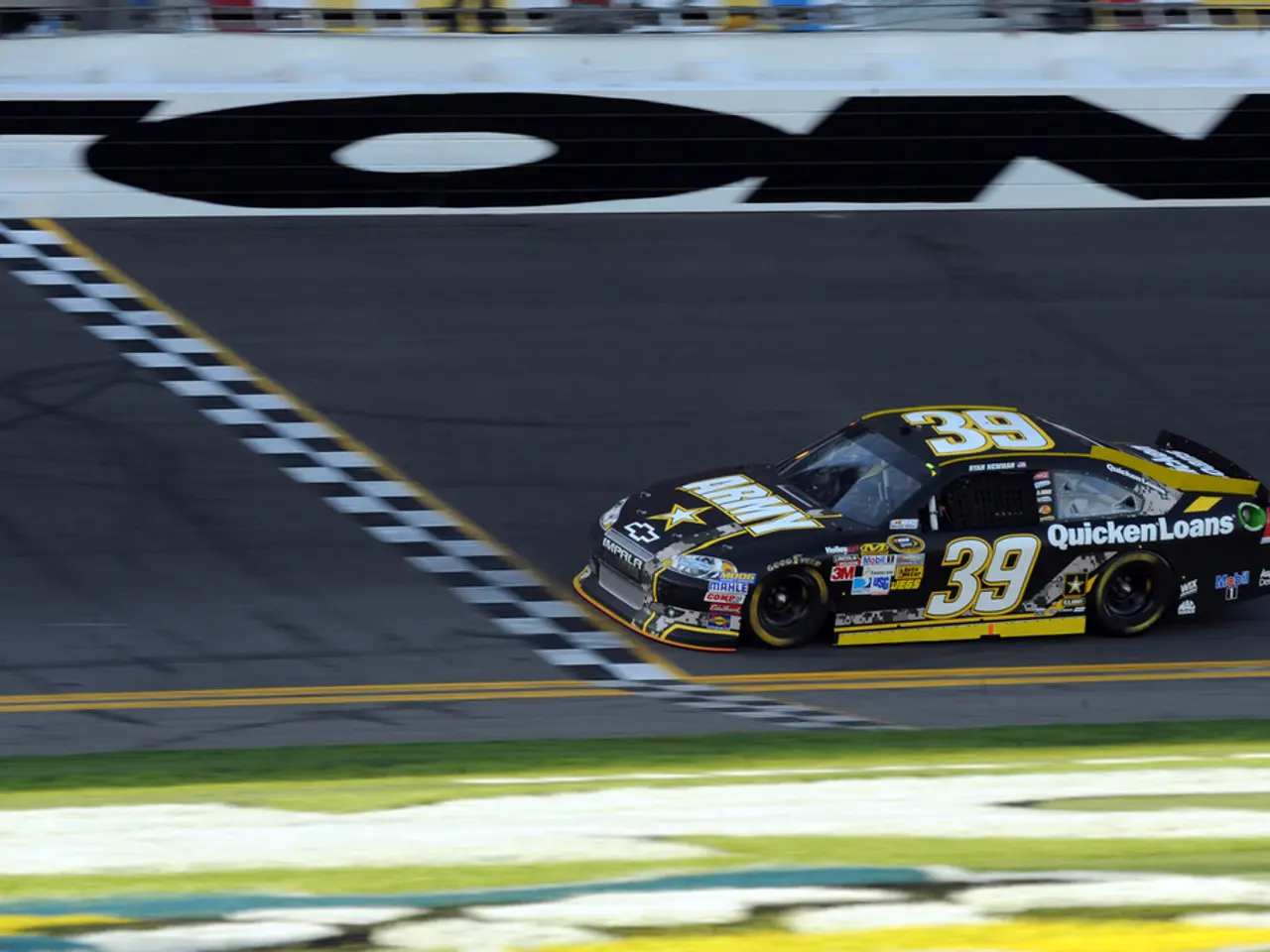
The money is now awarded to teams, not drivers. For instance, in the 2015 Daytona race, Joey Logano won a substantial $1,586,503 as the winner's share, while BK Racing, a C team, took home $428,794 for finishing 20th place in the same race. However, under normal circumstances, BK Racing never made more than about $100,000 for any race.
NASCAR remains tight-lipped about the specifics of how it distributes the prize money under the new charter system. Even the individual winnings for each race are not disclosed, with then-NASCAR chief operating officer Brent Dewar stating that it's not contemporary under the charter system.
The charter system also provides guaranteed starting positions in every race for the 36 ownership charter teams. Smaller teams might work out an agreement with the driver where the team gets the purse to help fund the car, and the driver gets a salary from the team. Alternatively, the driver might keep the purse in lieu of a salary, which could incentivize them to race more aggressively for a better finish.
The total purse for the Daytona 500 has increased from $18 million in 2015 to $30 million as of 2025. The purse for the 2021 Phoenix race that ended the season was more than $10 million total, and the 2021 Martinsville race paid out nearly $8 million to the field of teams.
Despite the lack of transparency regarding individual winnings, the charter system has brought a new foundation and a new era to NASCAR, as Dewar put it. The series, which started in 1948, continues to evolve and adapt, ensuring its longevity and the excitement of its fans.