Mississippi Weighs Risks as Prediction Markets Blur Gambling Lines
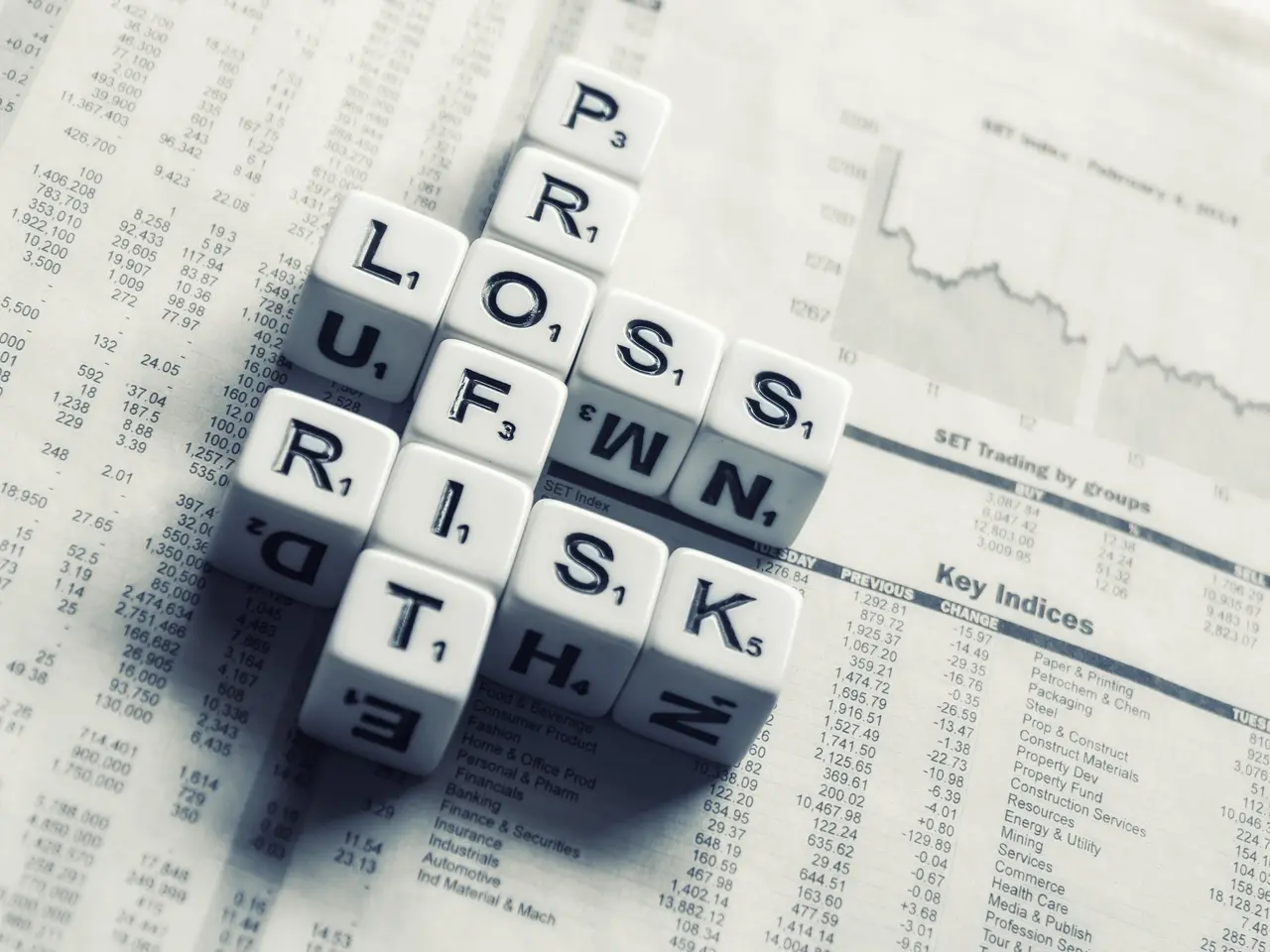
Mississippi regulators are closely watching the rise of prediction markets, which allow users to bet on real-world events through smartphones or computers. Unlike the state's tightly controlled sports betting, these platforms operate under federal oversight—and officials have already classified them as gambling. Concerns are growing about their accessibility and potential risks, especially among young adults. Prediction markets differ from Mississippi's current betting system by offering 24/7 access from any device. This ease of use has raised alarms, including from Betty Greer, director of the Mississippi Council on Problem and Compulsive Gambling. She warned that labelling these markets as 'investing' could mislead users about the financial dangers involved.
Recent data shows that 39% of Mississippi college students gambled in the past year, with 6% exhibiting signs of problem gambling. In response, the University of Mississippi has launched a new Center on Collegiate Gambling to research student behaviour and develop harm-reduction strategies. Regulators in the state are adopting a cautious stance while observing legal battles elsewhere. Nevada led the charge in March 2026 when a court ruled that event contracts on platforms like Kalshi and Polymarket qualify as gambling. Now, 24 states—including Nevada and 23 others—are exploring similar actions. Mississippi is monitoring these cases to assess how federal and state gambling laws may intersect. Casino operators also view prediction markets as a threat. These unregulated platforms compete for customers without facing the same licensing fees or consumer protections required of traditional betting businesses.
For now, Mississippi is holding off on direct action, waiting to see how legal challenges unfold in other states. The focus remains on understanding the risks, particularly for young gamblers, as prediction markets continue to expand. The outcome of ongoing court cases could shape whether—and how—the state chooses to regulate them.
Read also:
- Ignorant Youth Unfamiliar with Quebec's Cultural Landscape
- PCOS-related Gas Buildup: Explanation, Control Strategies, and Further Insights
- Astral Lore and Celestial Arrangements: Defining Terms & In-Depth Insights - Historical Accounts & Glossary of Cosmic Mythology
- "Rural Idyls with Supercars: Astonishing Sites Where Residents Cruise McLarens and Ferraris for Groceries"