Miscalculated EV Range Expectations: Discovering Why 300 Miles of Electric Vehicle Range May Not Be Necessary After All
In the world of electric vehicles (EVs), the narrative is changing, and a new focus on appropriately sized batteries is emerging. This shift, driven by advancements in technology, charging infrastructure, and consumer behaviour, could dramatically alter the EV market.
Rob Enderle, a technology analyst at Torque News, has been covering automotive technology and battery developments. His articles can be found on Forbes, X, and LinkedIn, and he even has a dedicated Wikipedia page for his work. According to Enderle, the battery in an EV is no longer a survival tool but more of a simple energy reservoir, appropriately sized for its most common use.
His own experience with a Volvo XC-60 Recharge, a plug-in hybrid with a small electric range, showed that the small battery was more than sufficient for daily needs. The average American's daily round-trip commute is under 40 miles, a distance easily covered by even the most basic modern EV.
Companies like Tesla, Ionity, and Shell have significantly expanded fast-charging station networks in recent years. This expansion has led to increased convenience and safety for EV owners by reducing range anxiety and ensuring reliable, standardized charging infrastructure that minimizes risks related to improper charging or vehicle faults. Fast-charging networks from providers like Electrify America, EVgo, and Tesla Supercharger network are expanding at an exponential rate.
Level 2 home charging has become a convenience for EV owners, allowing them to wake up every morning with a "full tank". This, coupled with the improving charging infrastructure, is changing the psychological calculus of EV ownership. The fear of the unknown, such as broken chargers or long stretches of highway with no options, that made a large battery buffer feel essential is being systematically dismantled.
If the industry can break free from the "more range is always better" mindset, it could potentially lead to significant price decreases for EVs. A car with a 180-mile range battery is cheaper to produce than one with a 350-mile range, making EVs more accessible to mainstream households. The market might settle on a tiered system: a 150-mile range for city cars, a 250-mile range for all-rounders, and premium options for long-distance travelers.
The obsession with a 300-mile minimum range may diminish as charging infrastructure improves and real-world usage becomes clearer. The conversation about EVs could move from justifying range to discussing the benefits of having the right amount of range for one's lifestyle. Public perception of EVs may shift, focusing more on the convenience and cost-effectiveness of these vehicles rather than their range capabilities.
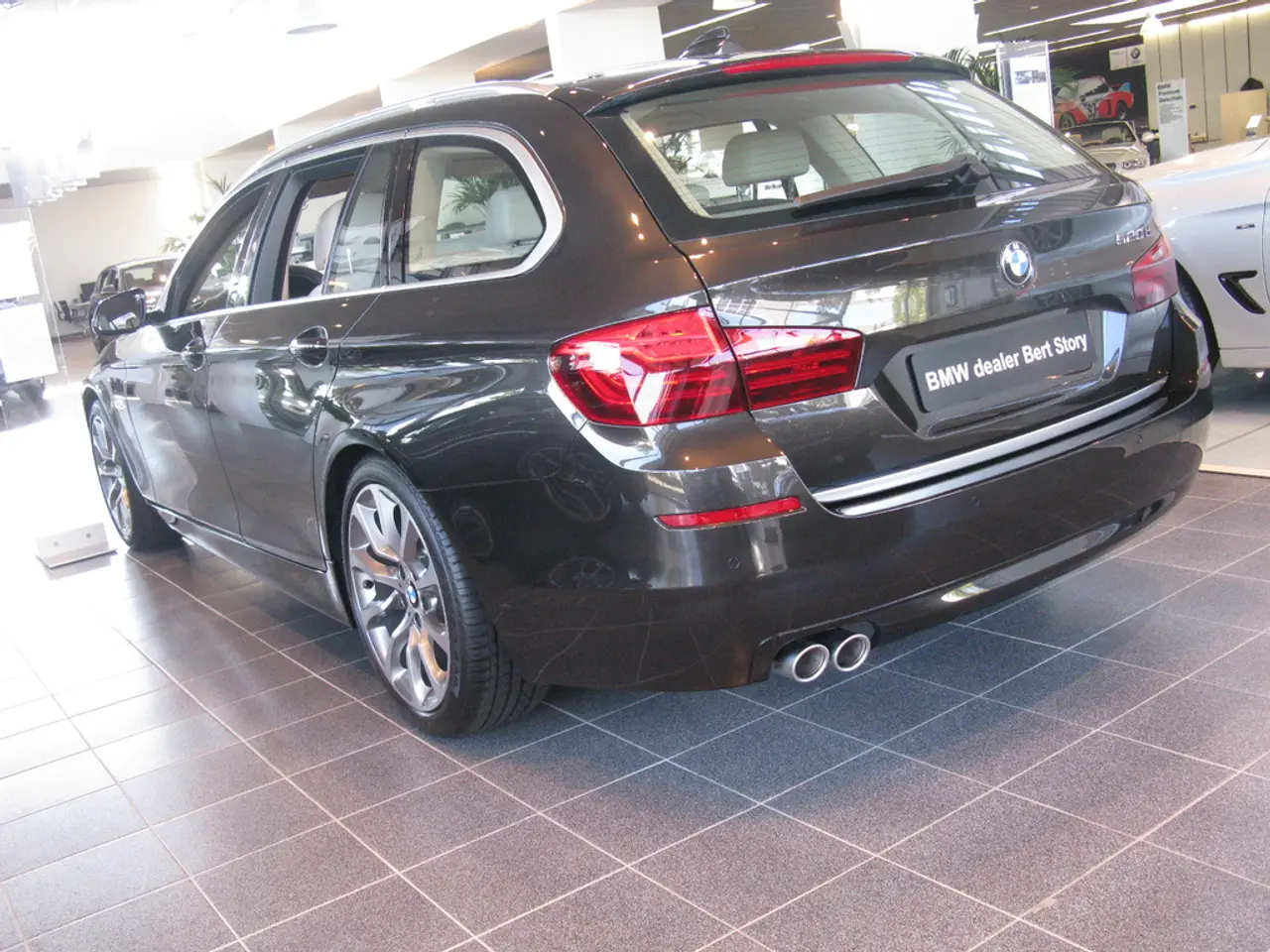
Images in this article were rendered by Midjourney and Gemini, and one picture was taken by the author himself. The future of EVs is not solely about range. It's about how well EVs fit into the rhythm of daily life.
Read also:
- Peptide YY (PYY): Exploring its Role in Appetite Suppression, Intestinal Health, and Cognitive Links
- Toddler Health: Rotavirus Signs, Origins, and Potential Complications
- Digestive issues and heart discomfort: Root causes and associated health conditions
- House Infernos: Deadly Hazards Surpassing the Flames