Mark Zuckerberg's MMA obsession reshapes Meta's leadership culture
Mark Zuckerberg, the CEO of Meta, has been pushing a more aggressive leadership style in recent years. His growing interest in mixed martial arts and high-risk activities has now extended to company retreats, where he encouraged senior staff to join him in combat training. Some employees reportedly felt uneasy about the shift in workplace expectations. Zuckerberg's transformation from a cautious tech leader to a more assertive figure has been noticeable. He altered his appearance with longer hair and jewellery, while also shifting his political stance from critic to supporter of Donald Trump ahead of the 2025 election. Insiders suggest this change was partly driven by concerns that Trump could target Meta with antitrust action if re-elected. Alongside this, he redirected the company's focus from the costly Metaverse to artificial intelligence and AI-powered wearables, such as Ray-Ban smart glasses.
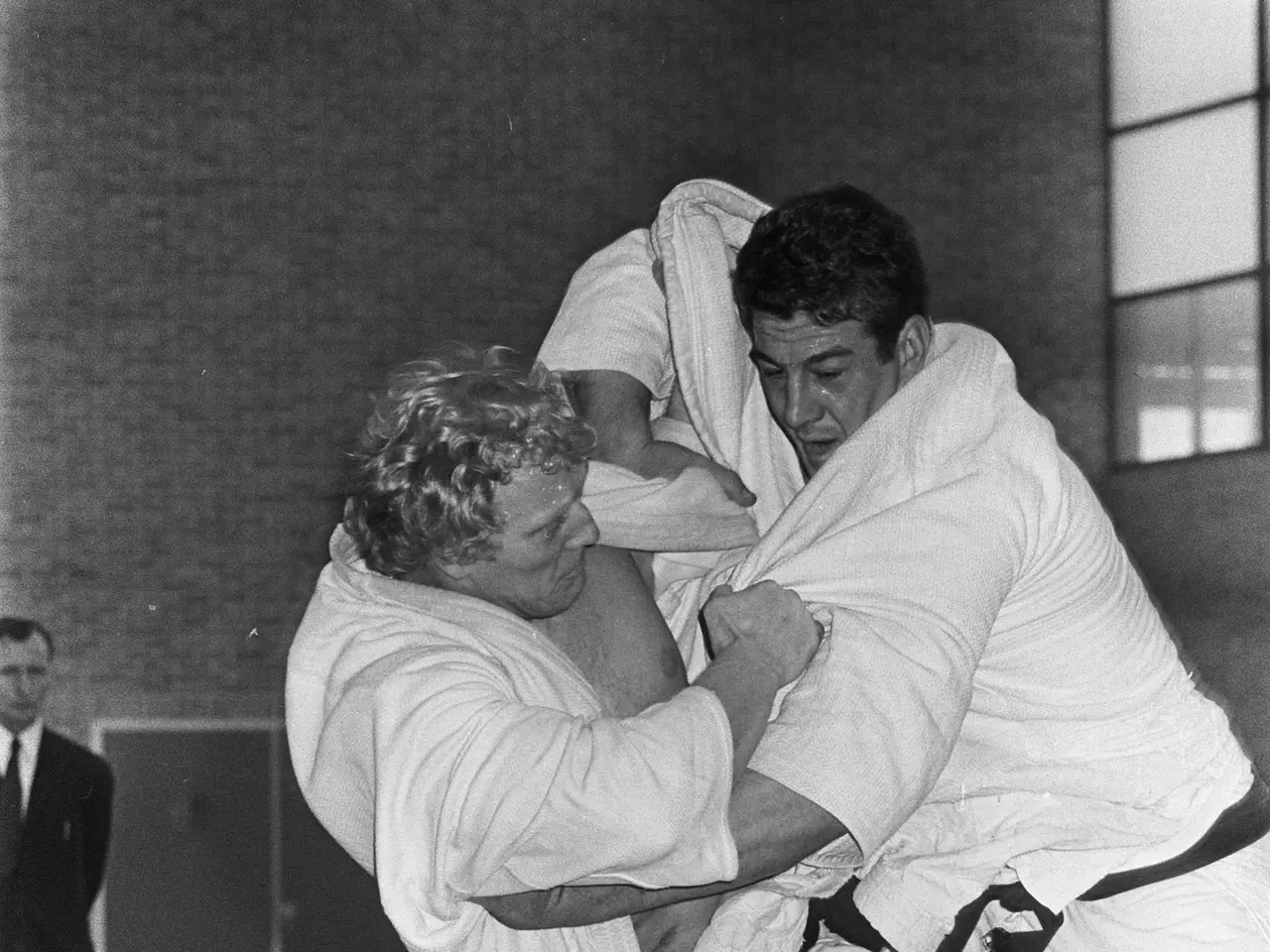
Last year, he even planned a cage fight with Elon Musk, though the event never took place. His enthusiasm for martial arts goes beyond publicity stunts—he has competed in amateur jiu-jitsu tournaments and installed a personal octagon for sparring at his Hawaiian estate. Analysts argue that his combat sports training is a deliberate effort to project discipline and resilience.
During a recent leadership retreat, Zuckerberg urged top executives to train with him in MMA. According to Nick Clegg, Meta's former president of global affairs, the company acknowledges that Zuckerberg and his leadership team regularly engage in high-risk activities, from combat sports to extreme aviation. Clegg's forthcoming book, How to Save the Internet, reveals that these pursuits sometimes influence corporate culture. A 2022 Harvard Business Review study found that 38% of employees felt uncomfortable when asked to join risky non-work activities led by executives. Zuckerberg's evolving public image and leadership approach have introduced new dynamics at Meta. His push for executives to adopt high-risk hobbies reflects a broader cultural shift within the company. The long-term effects on employee morale and corporate direction remain to be seen.