Luigi Chiarella's Risto Reich exposes Vienna's brutal pizzeria underworld
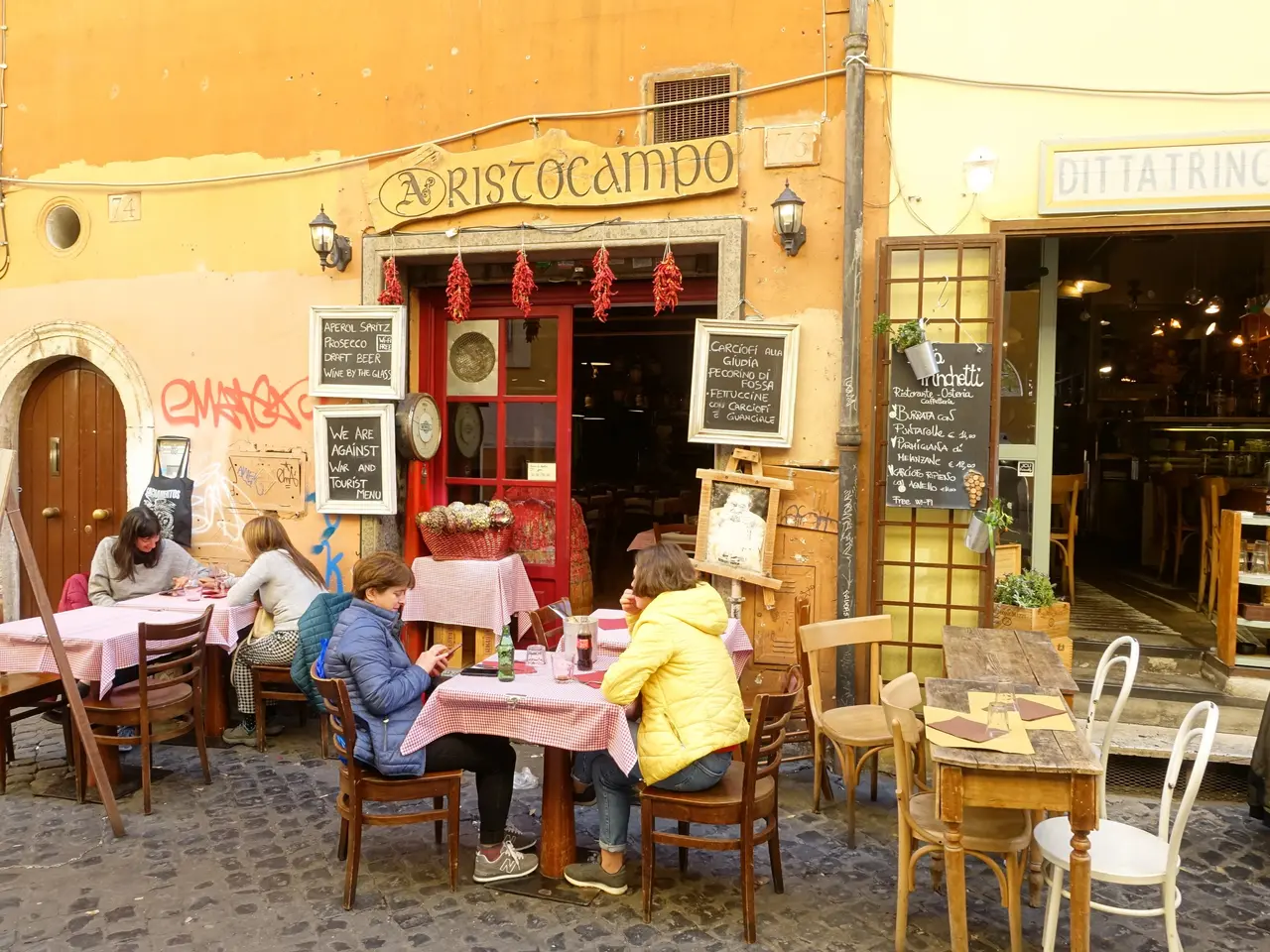
Luigi Chiarella's new novel, Risto Reich, has drawn widespread praise for its raw portrayal of an Italian waiter's life in Vienna. The book exposes the harsh realities behind one of Italy's most exported yet overlooked professions. Drawing from his own experiences, Chiarella reveals a world of gruelling hours, exploitation, and hidden criminal ties.
Chiarella works long shifts in Vienna's trendiest pizzerias, often clocking ten to eleven hours a day on contracts that underreport his actual hours. Breaks are rare, and when they come, exhausted staff grab cold pizza on the go, washing it down with espresso spiked with grappa or beer just to keep moving. The job demands constant motion—balancing trays of glasses, towers of plates, and mediating clashes between kitchen staff, managers, and customers.
Unpaid overtime is standard, and tips rarely reach the workers. Instead, they disappear into the pockets of managers or senior waiters. Firings happen often, but the cycle repeats: after being sacked or quitting, Chiarella finds the same faces at the next pizzeria. Behind the scenes, the industry runs on shady practices. Many restaurants serve food just past its sell-by date, sourced from cut-price suppliers in Italy. Cash registers often record only a fraction of earnings to evade taxes. Worse still, Chiarella estimates that 80–90% of Vienna's Italian pizzerias have links to organised crime, particularly the 'Ndrangheta. Red flags include suspiciously low prices (€5–7 per pizza), anonymous ownership structures, poor food quality despite high turnover, and frequent insolvencies followed by reopenings under new names. Money from drug trafficking is laundered through these businesses, blending illegal profits with legitimate trade. In *Risto Reich*, the boundary between fiction and reality fades. The protagonist, Luigi, mirrors Chiarella's own life, while the fictional *Spritzgasse* street serves as a metaphor for the industry's darker corners.
Risto Reich has sparked conversations about the hidden costs of Italy's culinary exports. The novel lays bare the exploitation of workers, tax evasion, and criminal infiltration in Vienna's pizzerias. For Chiarella and many like him, the book is not just a story—it's a reflection of daily survival in an industry few truly see.
Read also:
- Peptide YY (PYY): Exploring its Role in Appetite Suppression, Intestinal Health, and Cognitive Links
- Toddler Health: Rotavirus Signs, Origins, and Potential Complications
- Digestive issues and heart discomfort: Root causes and associated health conditions
- House Infernos: Deadly Hazards Surpassing the Flames