Larry Kudlow slams Fed's rate policies and calls for leadership overhaul
Economist Larry Kudlow has criticised the Federal Reserve's approach to interest rates and inflation. In a recent post on X, he called for former Fed governor Kevin Warsh to replace the current leadership. Kudlow argued that the Fed's economic models, which link growth to rising prices, are flawed and need to be abandoned.
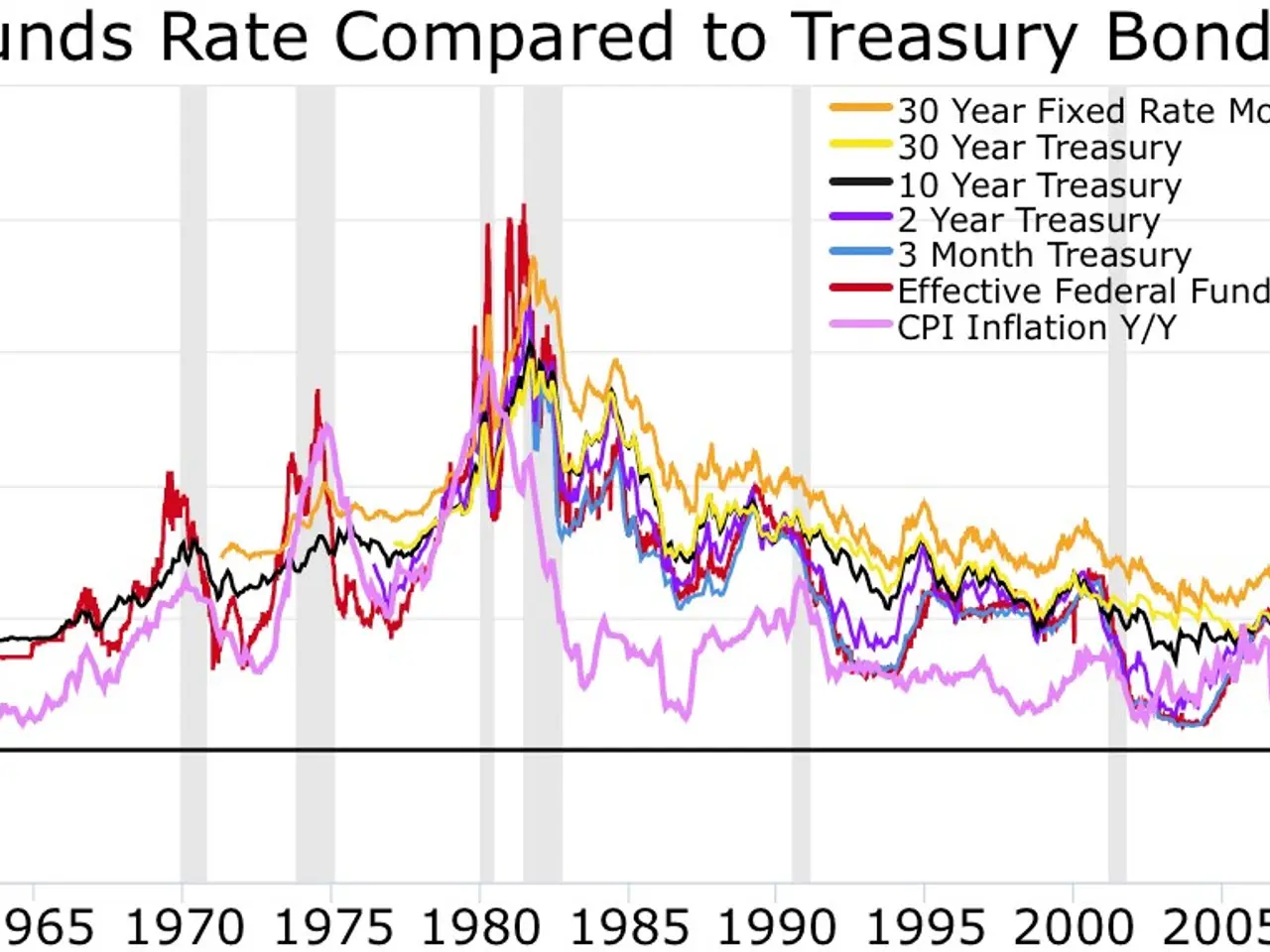
The Fed has already cut rates three times in 2025, reducing them to a range of 3.5% to 3.75%. But since early 2026, it has held rates steady amid inflation concerns tied to geopolitical tensions and oil price spikes.
Kudlow dismissed the Phillips Curve, a long-standing theory suggesting that lower unemployment leads to higher inflation. He also rejected the monetarist view that excessive lending drives up prices. Instead, he claimed that economic growth comes from rising production and falling costs, not inflation.
His stance contrasts with his usual support for free markets. While he believes credit should flow naturally—like any other market good—he still opposes the Fed's rate policies. He argues that central bank interventions create artificial opportunities for those with privileged access to credit.
The Fed's latest pause in March 2026 left rates unchanged for the second time this year. Stock markets reacted poorly, dropping sharply after the announcement. Investors now expect no further cuts until at least April 2027, though some economists predict earlier moves if economic conditions improve.
Kudlow's position highlights a tension: he backs free market capitalism but criticises the Fed's influence. He points to historical examples like Henry Ford, Michael Dell, and Steve Jobs, whose companies thrived by cutting consumer costs. Meanwhile, the Fed's rate decisions remain a key factor in market stability, despite Kudlow's call for less intervention.
The Fed has kept rates at 3.50% to 3.75% since early 2026, delaying further cuts until at least next year. Kudlow's criticism reflects a broader debate over whether central banks or free markets drive economic stability. For now, the Fed's policies continue to shape borrowing costs, investment decisions, and market reactions.
Read also:
- Peptide YY (PYY): Exploring its Role in Appetite Suppression, Intestinal Health, and Cognitive Links
- Toddler Health: Rotavirus Signs, Origins, and Potential Complications
- Digestive issues and heart discomfort: Root causes and associated health conditions
- House Infernos: Deadly Hazards Surpassing the Flames