Kazakhstan's Bold Push for Gender Equality by 2030 Gains Global Momentum
Kazakhstan has placed gender equality at the heart of its political reforms in recent years. The country has taken steady steps to improve women's representation and rights, with new policies and international partnerships reinforcing its commitment. A recent meeting between senior officials highlighted ongoing efforts to expand cooperation in this area. Kazakhstan established itself as a regional leader in gender equality early on. In 2006, it became one of the first Central Asian nations to create a dedicated institution—the National Commission for Women, Family, and Demography Policy. This body drove key reforms, including the 2009 Law on Equal Rights and Opportunities, which helped raise women's parliamentary representation to 27% by 2016. It also launched campaigns against domestic violence and later pushed forward the Family and Gender Policy up to 2030, adopted in 2021.
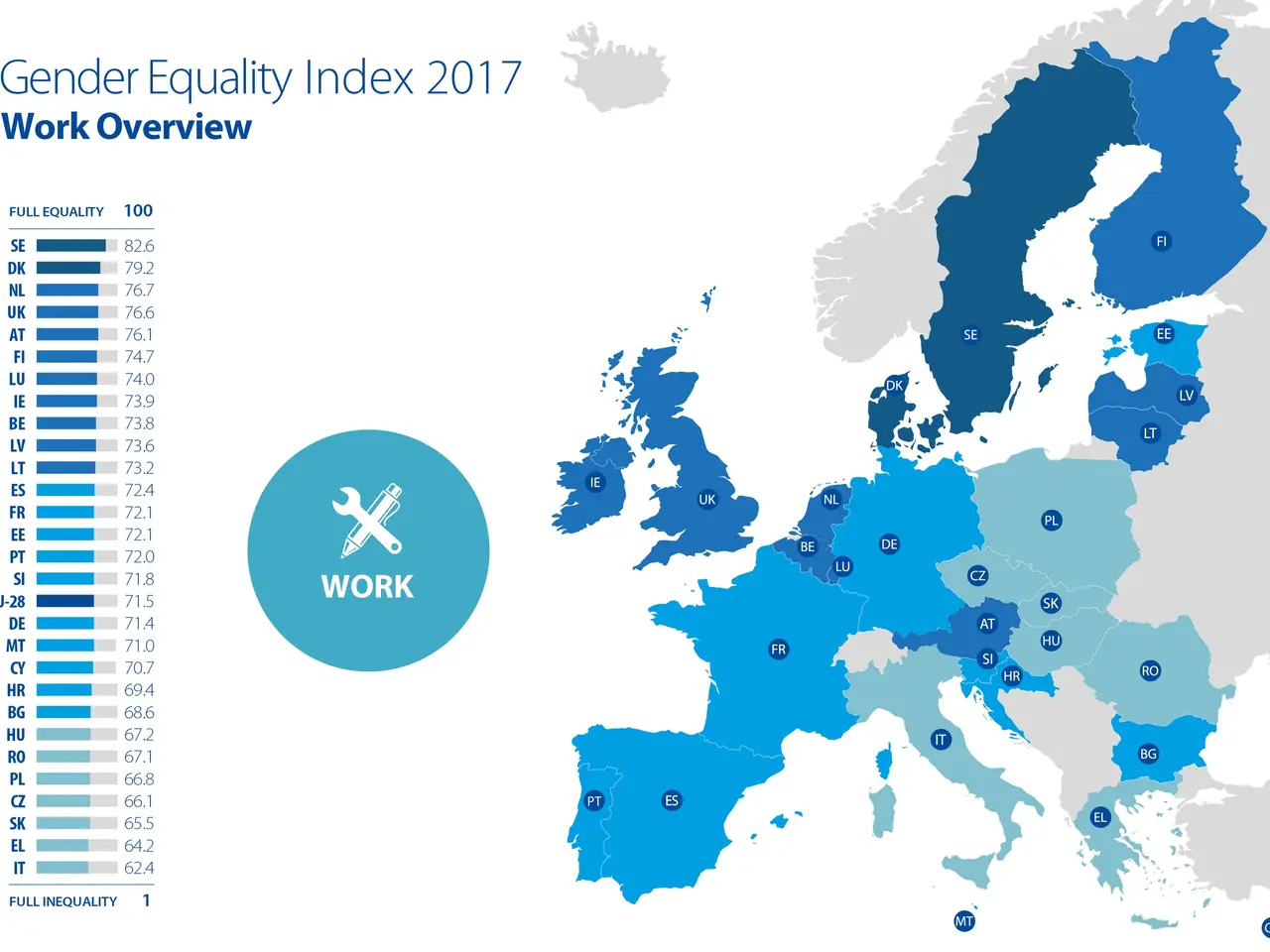
The updated policy aims to increase the share of women in decision-making roles to 30% by 2030. Recent progress includes a 65% female employment rate and new digital programmes to bridge gender gaps. These efforts align with Kazakhstan's constitutional guarantee of equal rights, which explicitly bans gender-based discrimination. On the global stage, Kazakhstan joined the UN Human Rights Council for 2022–2024, focusing on gender equality. Its rankings reflect gradual improvement: 67th in the 2023/24 Human Development Report, 66th in the 2023 Sustainable Development Index, and 76th in the 2024 Global Gender Gap Index. Last month, Akan Rachmetullin, Kazakhstan's first Deputy Foreign Minister, met with Belén Sanz Luque, UN Women's Regional Director for Europe and Central Asia. Both agreed to deepen collaboration on gender equality initiatives, building on existing partnerships.
The government's latest action plan runs until 2029, with measurable targets in employment, political representation, and digital inclusion. International cooperation and legislative reforms continue to shape Kazakhstan's approach to closing gender gaps. Official reports up to 2025 confirm steady advances in these areas.
Read also:
- Peptide YY (PYY): Exploring its Role in Appetite Suppression, Intestinal Health, and Cognitive Links
- Ignorant Youth Unfamiliar with Quebec's Cultural Landscape
- PCOS-related Gas Buildup: Explanation, Control Strategies, and Further Insights
- Astral Lore and Celestial Arrangements: Defining Terms & In-Depth Insights - Historical Accounts & Glossary of Cosmic Mythology