Karnataka High Court upholds hijab ban in classrooms, sparking religious freedom debate
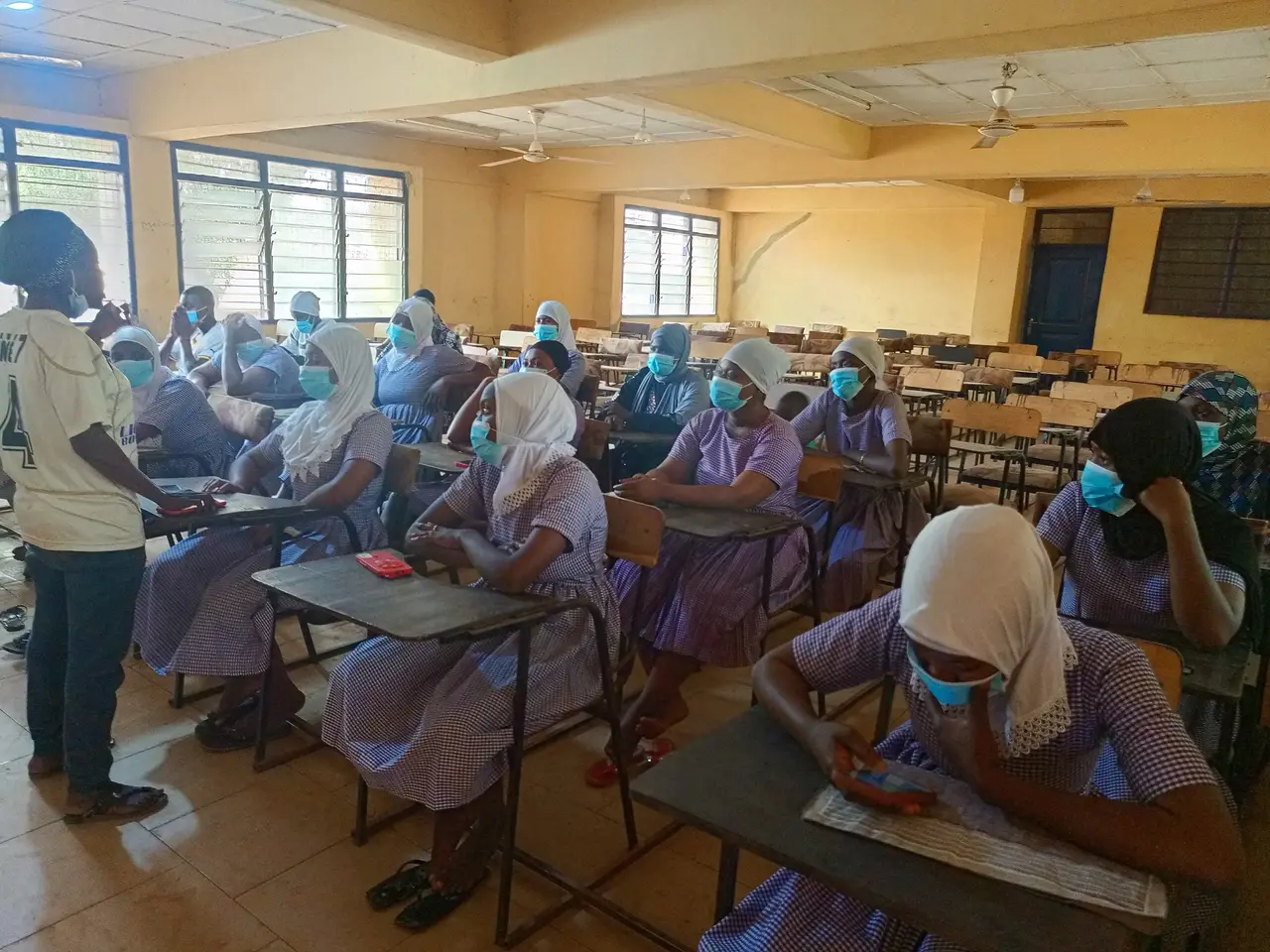
A legal battle over the right to wear the hijab in Karnataka's classrooms has concluded with a landmark ruling. The Karnataka High Court dismissed petitions from Muslim female students who challenged their colleges' ban on the headscarf inside educational spaces. The verdict has reignited debates over religious freedom, uniforms, and secularism in India's schools.
The dispute began when several Muslim students in Karnataka were barred from attending classes while wearing the hijab. In response, they filed petitions arguing that the restriction violated their fundamental right to religious practice under Article 25 of the Indian Constitution. Their case, Aishat Shifa v State of Karnataka, became a focal point for wider discussions on faith and education.
The state government defended its stance by issuing a Government Order directing colleges to enforce uniforms as set by their College Development Committees. Officials claimed these rules were necessary to maintain discipline and a secular learning environment. The court ultimately agreed, ruling that uniforms could be mandated inside classrooms to promote uniformity.
Tensions escalated in January 2022 when Hindu students in Karnataka wore saffron shawls to colleges as a counter-protest. The move deepened communal divisions and pushed the issue into the courts. After reviewing arguments from both sides, the High Court upheld the Government Order, stating that the hijab was not an essential religious practice in Islam and therefore not protected under Article 25.
The judgment confirmed that educational institutions in Karnataka could prohibit the hijab within classrooms while allowing it in other areas. The court emphasised that the restriction was limited in scope and served a legitimate purpose.
The ruling has set a precedent for how religious attire is treated in Karnataka's schools. Colleges now have the authority to enforce uniform policies that exclude the hijab inside classrooms. The decision, however, leaves broader questions about religious expression and education unresolved in other parts of the country.
Read also:
- PCOS-related Gas Buildup: Explanation, Control Strategies, and Further Insights
- Astral Lore and Celestial Arrangements: Defining Terms & In-Depth Insights - Historical Accounts & Glossary of Cosmic Mythology
- "Rural Idyls with Supercars: Astonishing Sites Where Residents Cruise McLarens and Ferraris for Groceries"
- Heartache Explained: Understanding Angina