Japan's Hidden Coastal Gems Where Nature and Tradition Collide
Japan's coastal bays offer some of the country's most breathtaking natural scenery. From glowing waters to volcanic estuaries, each location has its own distinct beauty. These landscapes attract visitors with their unique ecosystems and traditional practices.
In northern Japan, Toyama Bay provides a dramatic winter scene with towering mountains meeting still waters. But its most famous feature appears in spring, when schools of firefly squid light up the bay with their bioluminescence.
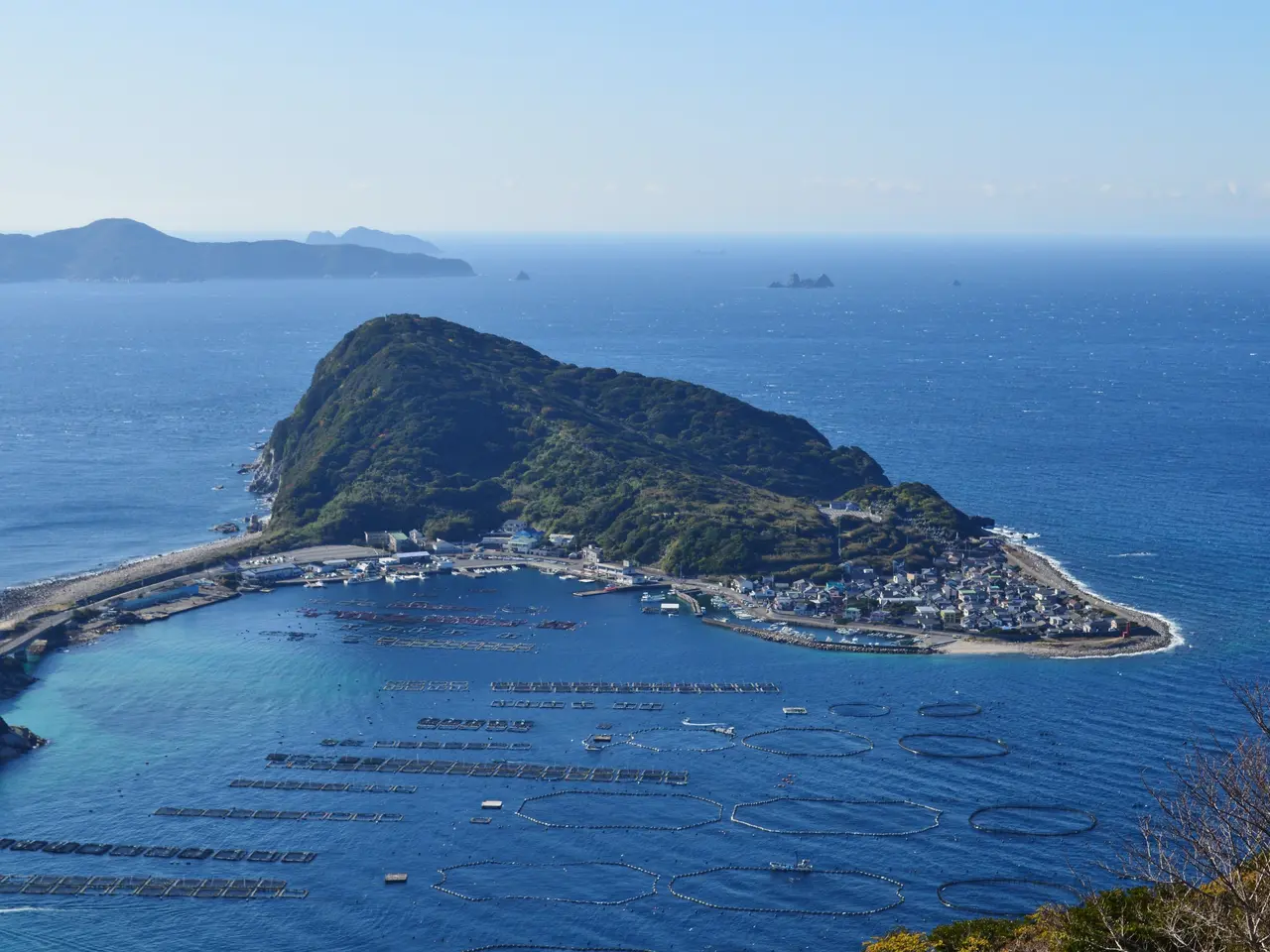
Ago Bay in Mie Prefecture is an inland sea known for pearl and shellfish farming. Here, female divers called *ama* continue a centuries-old tradition, harvesting abalone and oysters without modern equipment. Their free-diving skills have become a cultural symbol of the region. Further south, Shibushi Bay in Kyushu stands out for its subtropical forests and volcanic estuary. Mangroves line the water's edge, creating a rare habitat for protected sea turtles. The bay also serves as a ferry stopover for travellers arriving from Osaka. Matsushima Bay, with its 250 small islets, offers a different kind of beauty. A 40-minute cruise reveals ever-changing rock formations and atolls, shaped by wind and waves over centuries. Finally, Kabira Bay on Ishigaki Island presents a tropical paradise with crystal-clear waters and vibrant coral reefs. To protect its fragile ecosystem, swimming is strictly prohibited, allowing marine life to thrive undisturbed.
These five bays showcase Japan's diverse coastal environments, from icy mountain backdrops to coral-filled tropical waters. While none currently hold UNESCO Biosphere Reserve status, their natural and cultural significance continues to draw admiration. Each location remains a vital part of the country's maritime heritage.
Read also:
- Ignorant Youth Unfamiliar with Quebec's Cultural Landscape
- PCOS-related Gas Buildup: Explanation, Control Strategies, and Further Insights
- Astral Lore and Celestial Arrangements: Defining Terms & In-Depth Insights - Historical Accounts & Glossary of Cosmic Mythology
- "Rural Idyls with Supercars: Astonishing Sites Where Residents Cruise McLarens and Ferraris for Groceries"