Japan and Indonesia Boost Naval Power with Advanced Submarine Fleets
Japan and Indonesia have expanded their submarine fleets with new advanced vessels. Japan recently commissioned its fifth next-generation Taigei-class submarine, while Indonesia finalised a deal with Italy for six compact DGK-class submarines. Both moves highlight ongoing modernisation efforts in naval defence across Asia.
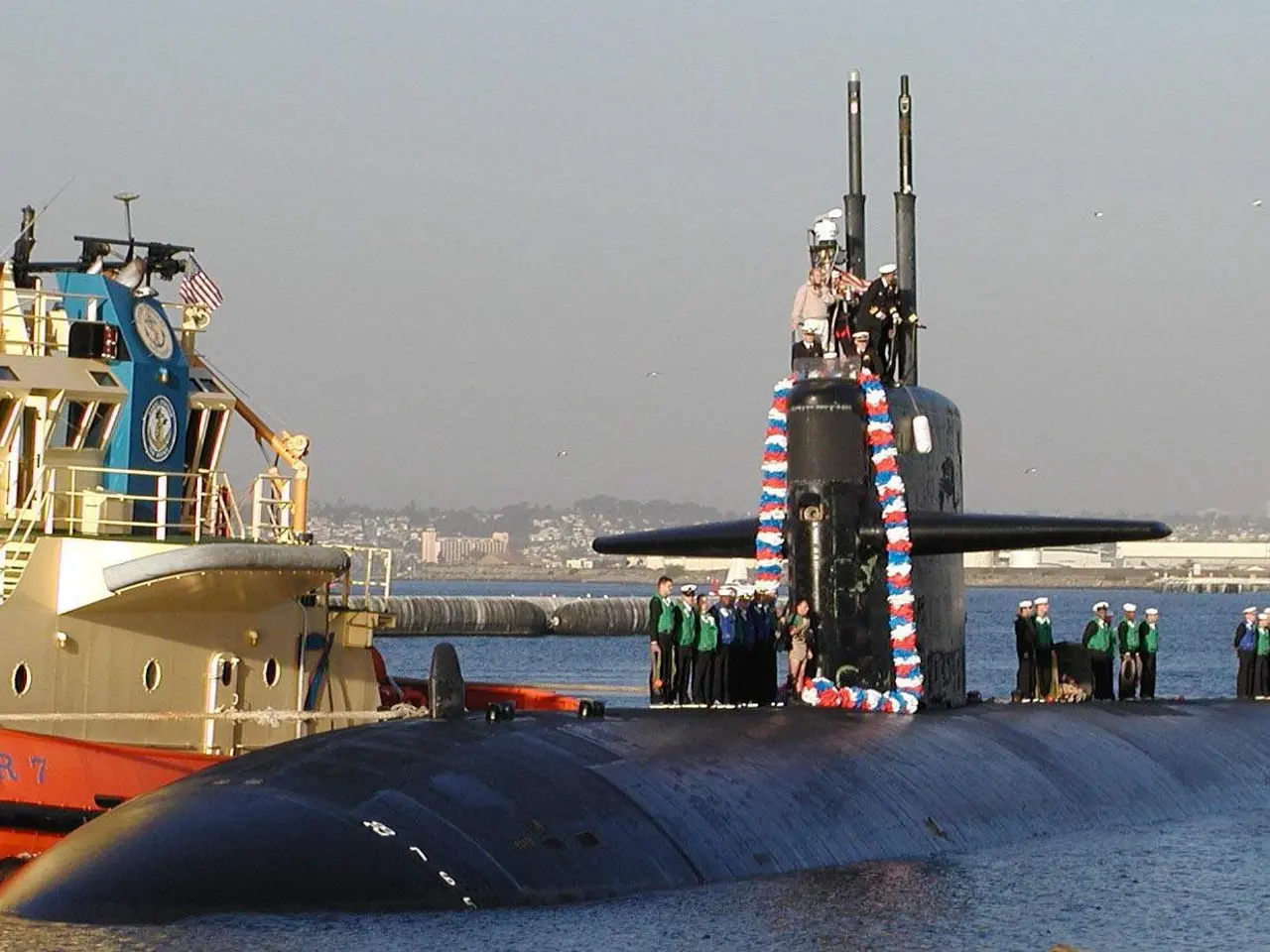
Meanwhile, South Korea continues to push for nuclear-powered submarine capabilities, though no broader global trend towards such vessels has emerged in recent years. Japan's latest submarine, the JS Chōgei (SS-517), entered service as part of the Taigei-class fleet. This class features enhanced stealth, advanced detection systems, and a crew of around 70 personnel. Each vessel measures 84 metres long, with a standard displacement of 3,000 tons, and is equipped with the ZQQ-8 sonar suite, Kai-1 optronic masts, and Type 18 torpedoes. The submarines also carry UGM-84L Harpoon Block II anti-ship missiles and a new combat management system.
The lead Taigei submarine was commissioned in March 2022, and the sixth, Sōgei (SS-518), is set to join the fleet in March 2027. Japan's 2026 defence budget includes ¥120.8 billion ($766 million) for the construction of the tenth Taigei-class submarine, reinforcing its long-term commitment to underwater defence.
Indonesia has signed a billion-dollar agreement with Italy for six DGK-class compact submarines. The first two vessels are estimated to cost $480 million. These submarines measure 34 metres in length, with a surface displacement of 219 tons and a maximum submerged speed of 15 knots. The deal also includes the transfer of an Italian aircraft carrier as part of a broader defence package.
South Korea remains the only country in the region actively seeking nuclear-powered submarine technology. Its push comes in response to North Korea's nuclear threats, though no other nations have publicly pursued similar programmes in recent years. Global demand for nuclear-powered submarines has not shown a clear upward trend between 2021 and 2026. Japan's Taigei-class and Indonesia's DGK-class submarines represent significant upgrades in naval capabilities. The new vessels bring improved stealth, detection, and combat systems to their respective fleets. South Korea's interest in nuclear-powered submarines remains an exception rather than part of a wider global shift. No other countries have publicly announced plans to develop such technology in the past five years.
Read also:
- Peptide YY (PYY): Exploring its Role in Appetite Suppression, Intestinal Health, and Cognitive Links
- Toddler Health: Rotavirus Signs, Origins, and Potential Complications
- Digestive issues and heart discomfort: Root causes and associated health conditions
- House Infernos: Deadly Hazards Surpassing the Flames