What happened on January 11? - January 11: A Date That Shaped History Through Politics and Innovation
January 11 marks several key moments in history, from groundbreaking mergers to cultural milestones. On this date in 2001, the U.S. carried out a controversial execution, while a decade earlier, Berlin took a major step toward reunification. The day also saw the birth of influential figures in music, science, and sports, alongside major business deals that reshaped global industries.
In 1911, Berlin became home to the newly founded Kaiser Wilhelm Society for the Advancement of Science. This institution later evolved into the Max Planck Society, one of Germany's most prestigious research organisations.
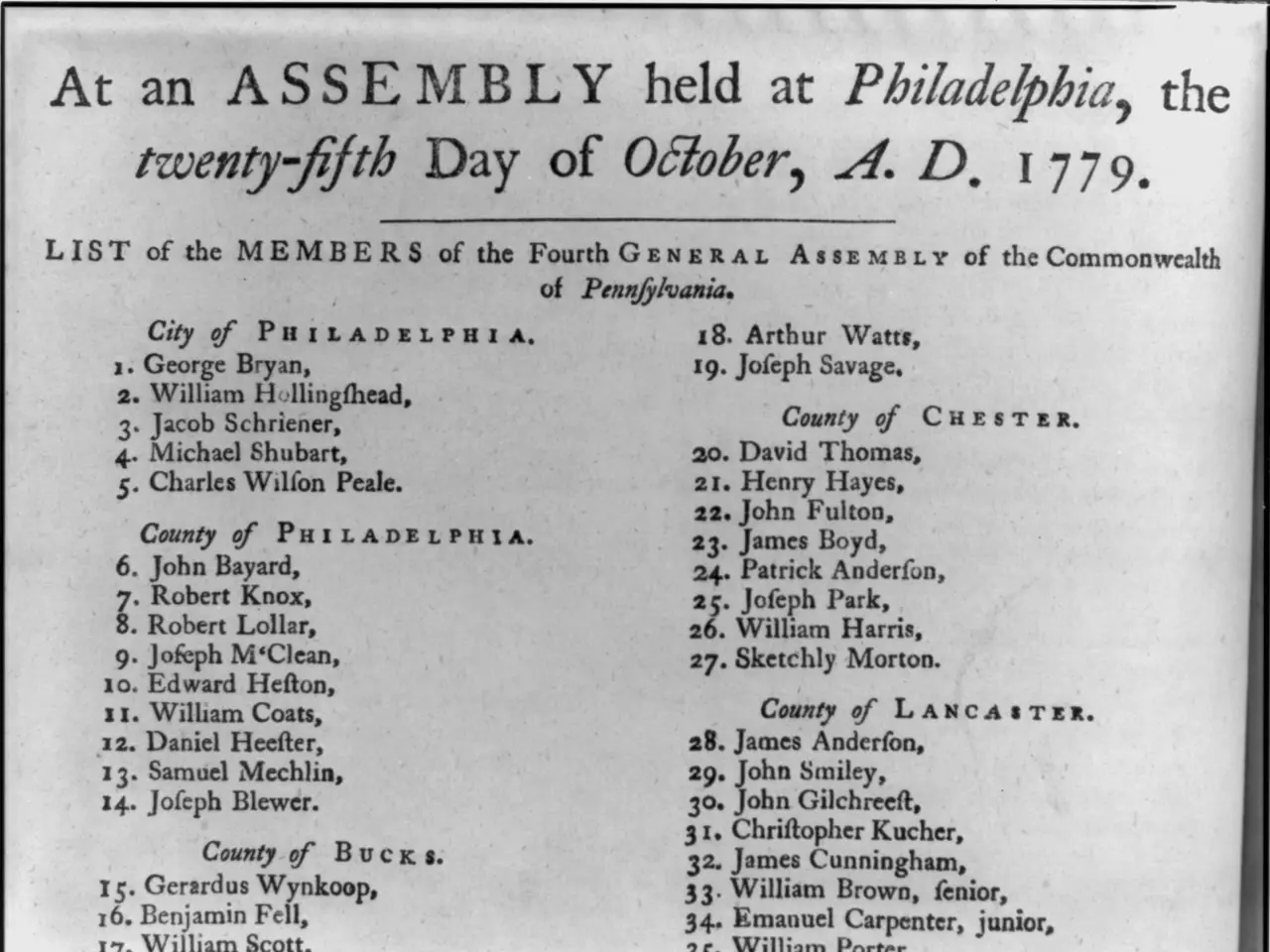
On the same date in 1991, Berlin's St. Nicholas Church hosted the first meeting of the city's reunified parliament. This session marked the first all-Berlin assembly in over 40 years, following the fall of the Berlin Wall.
The year 2001 brought two defining events. Wanda Jean Allen was executed in the U.S., becoming the first Black woman put to death in 46 years. That same year, AOL and Time Warner completed their merger, forming AOL Time Warner Inc.—then the world's largest media and internet company.
Fifteen years later, in 2016, Chinese chemical giant ChemChina acquired Munich-based machinery manufacturer KraussMaffei for €925 million. This deal came before stricter German regulations on foreign investments, particularly from China. By 2020, reforms like the amended Foreign Trade and Payments Act led to blocked takeovers, including 50Hertz in 2018 and IMST in 2020. Chinese foreign direct investment in Germany subsequently dropped from €2.6 billion in 2016 to under €1 billion annually by 2025.
January 11 also marks the birthdays of notable figures. Swiss chemist Albert Hofmann, who discovered LSD, was born in 1906. American singer Mary J. Blige was born in 1971, while German-French footballer Leroy Sané entered the world in 1996. Sociologist Wolf Lepenies, former Rector of Berlin's Institute for Advanced Study, was born in 1941. The day also saw the passing of Swiss artist Alberto Giacometti in 1966.
The events of January 11 reflect shifts in politics, business, and culture. From Berlin's reunification efforts to the tightening of foreign investment rules in Germany, the date captures transitions with lasting effects. Meanwhile, the births and deaths of influential individuals continue to shape art, science, and sports decades later.
Read also:
- Ignorant Youth Unfamiliar with Quebec's Cultural Landscape
- PCOS-related Gas Buildup: Explanation, Control Strategies, and Further Insights
- Astral Lore and Celestial Arrangements: Defining Terms & In-Depth Insights - Historical Accounts & Glossary of Cosmic Mythology
- "Rural Idyls with Supercars: Astonishing Sites Where Residents Cruise McLarens and Ferraris for Groceries"