Isle of Man launches bold revival of Manx Gaelic in 2026
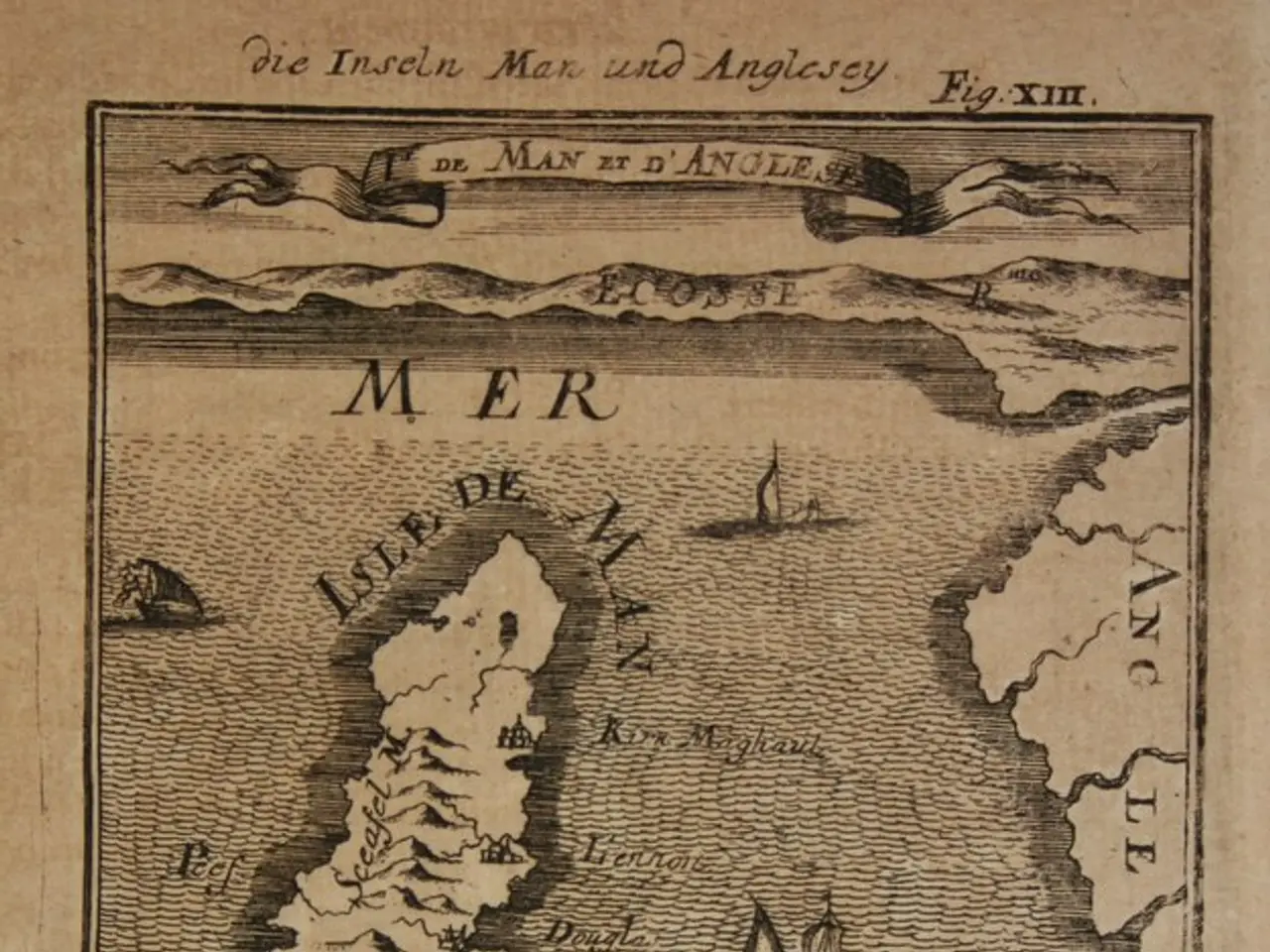
The Isle of Man is preparing for a major celebration of its native language in 2026. Next year will mark Blein ny Gaelgey – Year of the Manx Language, with new projects aimed at reviving and promoting Manx Gaelic. Over £26,000 in funding has been awarded to support these initiatives, reflecting growing interest in the island's linguistic heritage. According to the 2021 census, around 2,200 people still speak Manx Gaelic on the island. Efforts to expand its use include a new course for parents and carers, helping them support children learning the language. Sulby Primary School will also introduce Bringing Music to the Playground, an interactive project blending music and Manx phrases.
Nine newly commissioned compositions will feature at the Fire and Folk festivals, while five electronic tracks will mix spoken and sung Manx for modern audiences. A debut album by a young band will showcase both original songs and traditional Manx material. Additionally, a collection of short stories in Manx Gaelic is being created to engage adult learners. The year's highlights will include the first-ever Manx language opera, set to premiere in summer 2026. A new podcast will also explore the language's history and its place in daily life today.
The 2026 celebrations will bring fresh opportunities for both speakers and learners of Manx Gaelic. With funding from Culture Vannin, the projects aim to make the language more accessible through music, storytelling, and education. The initiatives reflect a wider push to keep Manx Gaelic alive for future generations.
Read also:
- Ignorant Youth Unfamiliar with Quebec's Cultural Landscape
- PCOS-related Gas Buildup: Explanation, Control Strategies, and Further Insights
- Astral Lore and Celestial Arrangements: Defining Terms & In-Depth Insights - Historical Accounts & Glossary of Cosmic Mythology
- "Rural Idyls with Supercars: Astonishing Sites Where Residents Cruise McLarens and Ferraris for Groceries"