Iran's missile defenses force US Navy to rethink Strait of Hormuz strategy
The US Navy's long-standing dominance at sea is facing new threats. Iranian missile defences along the Strait of Hormuz have forced American forces to adjust their movements. This shift highlights broader changes in naval warfare, where traditional carrier power is losing ground to cheaper, shore-based weapons.
Iran has strengthened its control over the Strait of Hormuz by deploying anti-ship missiles. These weapons are now positioned on Abu Musa and the Tunbs islands, as well as along the coastline near Bandar Abbas. Their range allows Iran to target vessels passing through the critical waterway.
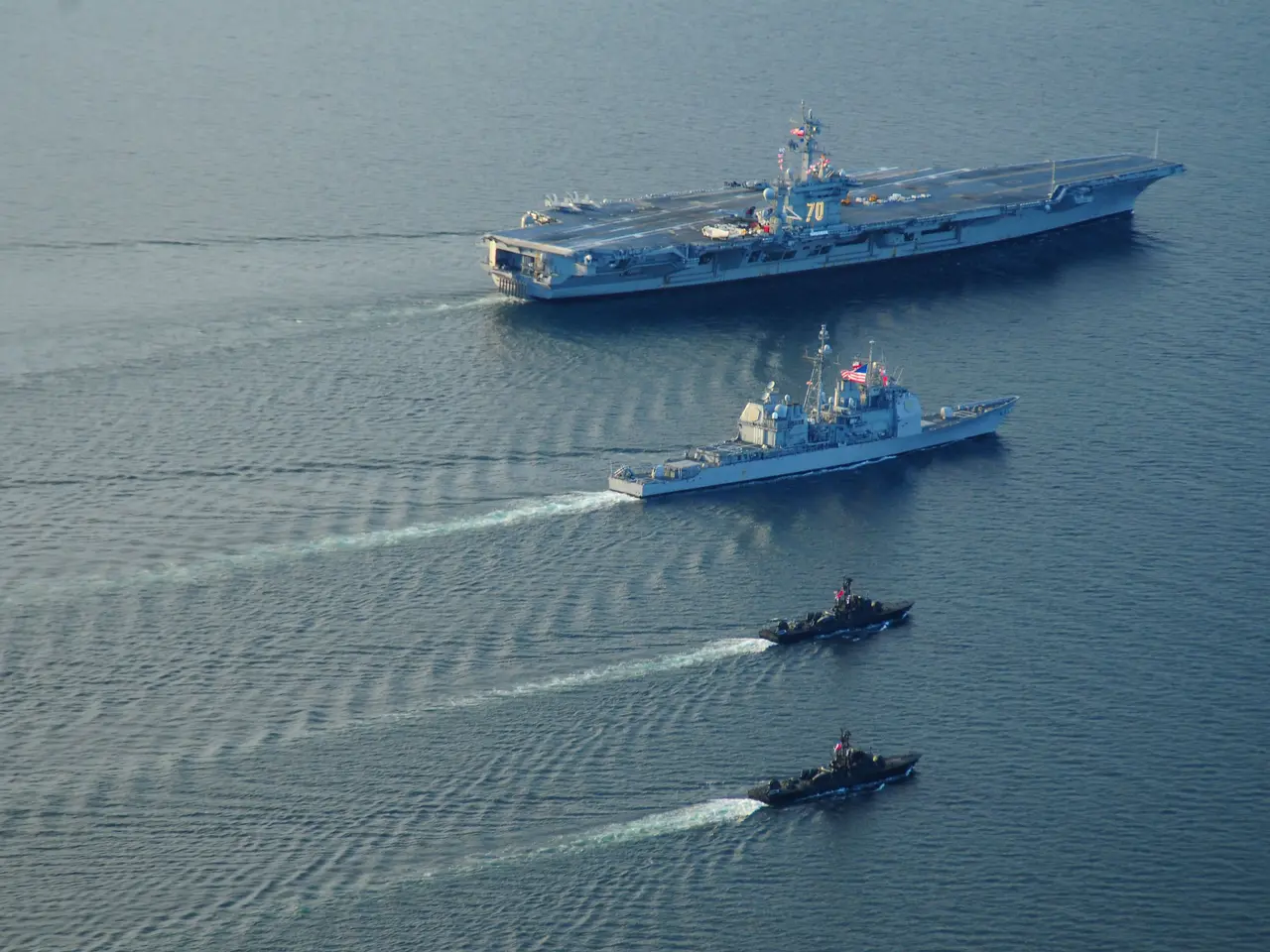
In response, the US Navy has reduced carrier transits through the strait. Instead of risking ships within missile range, American forces—including the USS Boxer and USS Tripoli amphibious strike groups—operate from safer distances. The USS Abraham Lincoln carrier group has also faced Iranian threats, further limiting its movements. This situation reflects a wider trend in naval warfare. Cheap, unmanned anti-ship weapons are making it harder for large carriers to dominate near defended coastlines. The US Navy's ability to project power ashore, a key role for decades, is now under pressure.
The Strait of Hormuz remains a flashpoint where Iranian defences have reshaped US naval operations. With carriers forced to stay outside missile range, the Navy's traditional methods of power projection are being tested. The shift raises questions about the future of naval dominance in contested waters.
Read also:
- Peptide YY (PYY): Exploring its Role in Appetite Suppression, Intestinal Health, and Cognitive Links
- Toddler Health: Rotavirus Signs, Origins, and Potential Complications
- Digestive issues and heart discomfort: Root causes and associated health conditions
- House Infernos: Deadly Hazards Surpassing the Flames