Invasive pests surge in Virginia as climate shifts expand their reach
Pest activity in Accomack County, Virginia, has risen sharply in recent years. Climate shifts and warmer temperatures have allowed invasive species to spread northward, increasing challenges for homeowners. New threats, including the emerald ash borer, have now joined established pests like the southern pine beetle and spotted lanternfly.
The Virginia Department of Agriculture and Consumer Services (VDACS) and USDA reports confirm a growing pest problem. The southern pine beetle and spotted lanternfly—first detected in 2021—have expanded their range due to milder winters. In 2024, the emerald ash borer was also recorded in the area for the first time.
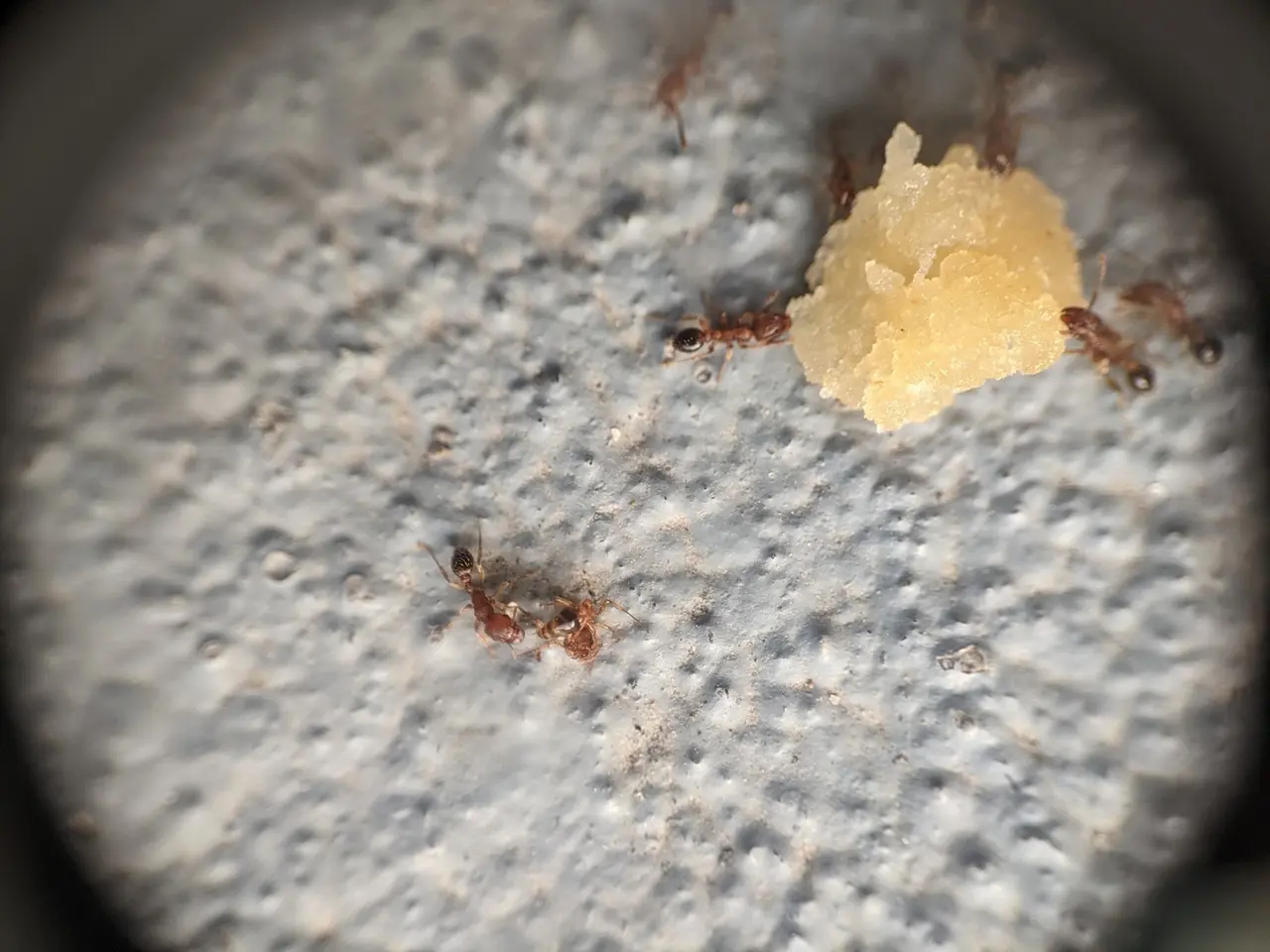
Seasonal patterns bring different risks. Spring sees ants and termites, with subterranean termites swarming and targeting homes with poor drainage or older foundations. Summer brings mosquitoes, biting flies, and gnats, while stinging pests like wasps and hornets grow more aggressive.
As temperatures drop in autumn, spiders, stink bugs, and other insects seek shelter indoors. Winter then drives rodents inside, with mice and rats searching for warmth. Cockroaches also stay active in heated spaces year-round.
Experts stress that year-round pest control is now essential. Without prevention, infestations can lead to structural damage or health hazards. Understanding local climate and habitats helps residents take targeted action against common household pests.
The rise in pest populations demands constant vigilance from homeowners. Seasonal surges—from termites in spring to rodents in winter—require proactive measures. Authorities continue monitoring the spread of invasive species as climate conditions evolve.
Read also:
- Ignorant Youth Unfamiliar with Quebec's Cultural Landscape
- PCOS-related Gas Buildup: Explanation, Control Strategies, and Further Insights
- Astral Lore and Celestial Arrangements: Defining Terms & In-Depth Insights - Historical Accounts & Glossary of Cosmic Mythology
- "Rural Idyls with Supercars: Astonishing Sites Where Residents Cruise McLarens and Ferraris for Groceries"