Interview Question: Does Trump possess the authority to authorize mining operations within the global ocean?
The US President Donald Trump's recent executive order asserting his country's right to exploit international seabeds has sent shockwaves through the global community, particularly the 170 parties to the United Nations Convention on the Law of the Sea (Unclos), who strongly advocate multilateralism.
Under international law, metals obtained in violation of Unclos cannot be sold. The US, despite not ratifying the convention, has obligations not to undermine its objective and purpose, as stated in the Vienna Convention on the Law of Treaties. In 1994, the US signed an agreement to amend the deep-seabed mining provisions of the Unclos, indicating its initial agreement with the UN regulatory scheme for seabed mining.
The executive order, however, does not authorize mining operations directly. Instead, it tasks the National Oceanic and Atmospheric Administration (NOAA) to develop an expedited process to review and issue mining exploration licenses and exploitation permits in international waters within 60 days. This move by the US to pursue mining operations unilaterally creates chaos and uncertainty.
The Metals Company (TMC) has announced plans to apply to US authorities for permission to mine in international waters. TMC's plans could bypass the United Nations seabed regulator, the International Seabed Authority (ISA). However, TMC has also stated they would lodge an application to the ISA for an exploitation contract by 27 June.
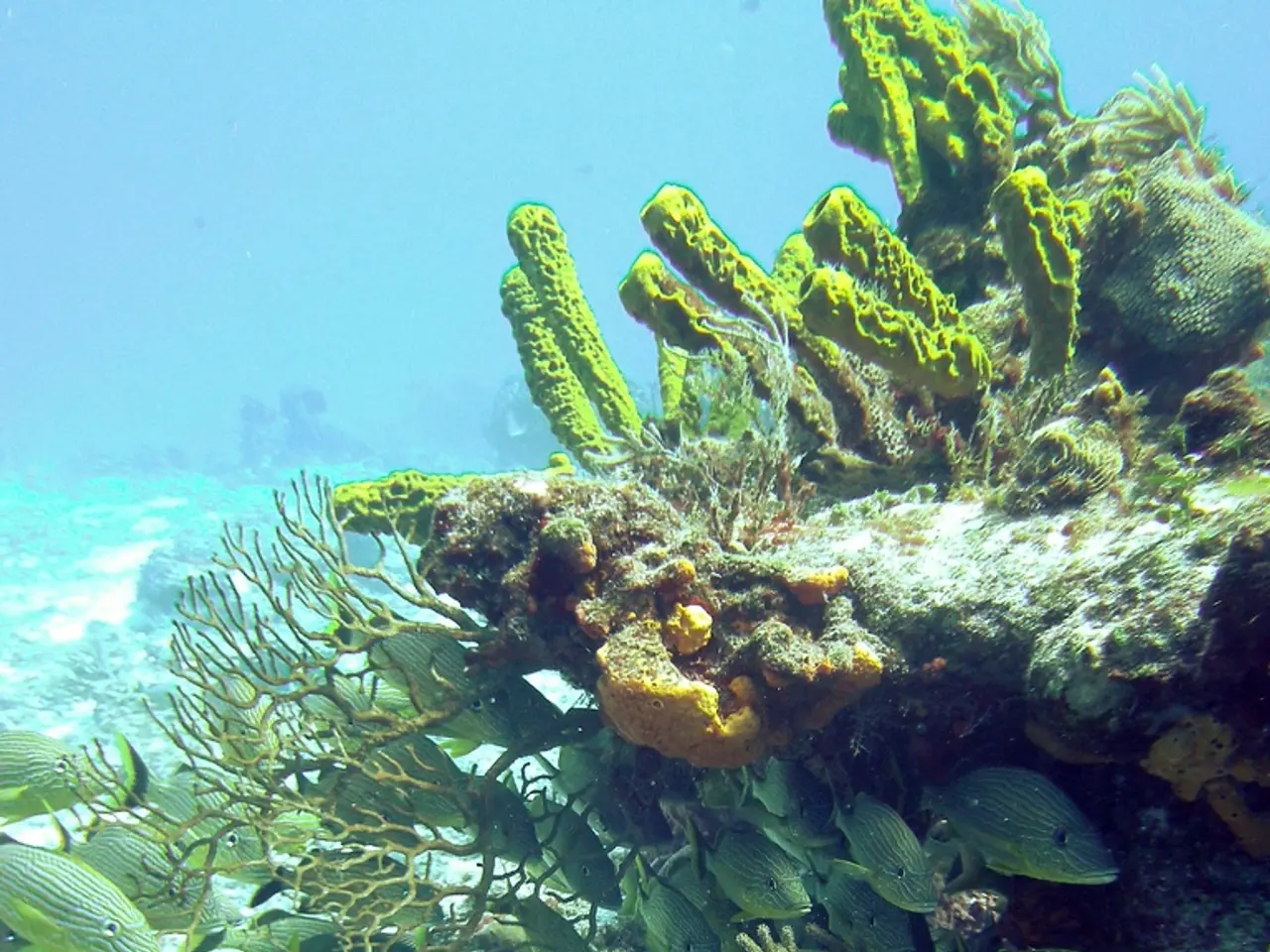
The deep-sea mining process involves harvesting minerals more than 200 metres below the surface, primarily targeting nickel, copper, cobalt, and manganese. These "critical minerals" are essential to modern technologies including smartphones, solar panels, wind turbines, and electric vehicles.
Switzerland has legal obligations to ensure its nationals do not participate in deep-sea mining activities that violate Unclos. The deep-sea collection system used by TMC in their recent mining trial is owned by a Swiss-based offshore contractor, Allseas.
The current situation gives a stronger reason for a moratorium or a precautionary pause on deep-sea mining. Duncan Currie, a veteran environmental lawyer and observer of negotiations at the ISA, is a legal adviser to the Deep Sea Conservation Coalition, which advocates for a mining moratorium.
The US government has the authority to regulate US citizens' commercial mining in international waters, according to legislation passed in 1980. However, it remains unclear whether TMC will make a mining application under the US legislation, the ISA, or both.
The potential unilateral mining operations by the US may raise concerns among parties to Unclos, who strongly advocate for the convention's principles of multilateralism and the protection of the marine environment. The US government is not in a position to oppose the provisions of Unclos, as shown by the negotiations and the subsequent signing of the 1994 agreement.
In conclusion, the US's recent move towards deep-sea mining operations has sparked controversy and raised questions about international law and the protection of the marine environment. The situation underscores the need for a balanced approach that considers both the potential economic benefits and the environmental and legal implications.